
Bubble gut is an informal term that can mean different things depending on the context. Some people use “bubble gut” or “bubble guts” to describe a bubbling, rumbling, gassy, or uncomfortable feeling in the stomach and intestines. Others use “bubble gut” in bodybuilding to describe a visibly protruding or distended abdomen, especially in a very muscular person with low body fat.
These two meanings are important to separate because they do not necessarily have the same cause.
A bubbling stomach after eating may simply be caused by normal movement of gas and fluid through the digestive tract. It can also happen because of swallowed air, carbonated drinks, constipation, food intolerance, or irritable bowel syndrome (IBS). More persistent abdominal swelling can sometimes be linked to conditions such as gastroparesis, celiac disease, inflammatory bowel disease, or other digestive problems.
In bodybuilding, “bubble gut” is commonly used to describe a rounded, distended midsection that appears out of proportion to the rest of the physique. The term is sometimes used interchangeably with “HGH gut,” “steroid gut,” or “Palumboism,” although “bubble gut” is not a formal medical diagnosis. The exact mechanism in individual athletes is difficult to establish, and claims about one single cause are often stronger than the available evidence supports.
This article explains what causes bubble gut in both everyday digestive situations and bodybuilding, how to tell ordinary bloating from something that needs medical attention, and what practical steps may help.
What Does Bubble Gut Mean?
“Bubble gut” is not a standard medical diagnosis.
In everyday conversation, a person may say they have bubble guts when their abdomen feels bubbly, noisy, gassy, or unsettled. They may notice stomach noises, gas, cramping, bloating, diarrhea, or the feeling that they need to use the bathroom.
Digestive sounds happen because the muscles of the gastrointestinal tract move food, liquid, and gas through the digestive system. Gas is also a normal part of digestion. Most people burp or pass gas every day, and these processes are generally normal.
The term can also describe visible abdominal distension. A distended abdomen means the belly has become noticeably larger or more swollen than usual. Gas is one possible cause, but abdominal distension can also result from stool, fluid, digestive contents, pregnancy, changes in body fat, or other medical conditions.
So, when asking “what causes bubble gut,” the first question should be:
Are you talking about a bubbling and gassy stomach, or a visibly protruding abdomen?
That distinction makes the rest of the explanation much clearer.
What Causes Bubble Gut in Everyday Life?
For most people, bubble gut symptoms are related to ordinary digestive processes rather than a dangerous disease.
Common causes include:
- Swallowing too much air
- Eating too quickly
- Carbonated beverages
- Gas-producing foods
- Constipation
- Food intolerance
- IBS
- Changes in eating habits
- Large meals
- Certain medications
- Temporary digestive infections
- Stress and changes in the gut-brain connection
Gas is created both by swallowed air and by bacteria in the large intestine breaking down carbohydrates that were not completely digested earlier in the digestive process. This fermentation can produce gas that causes pressure, bloating, rumbling, and abdominal discomfort.
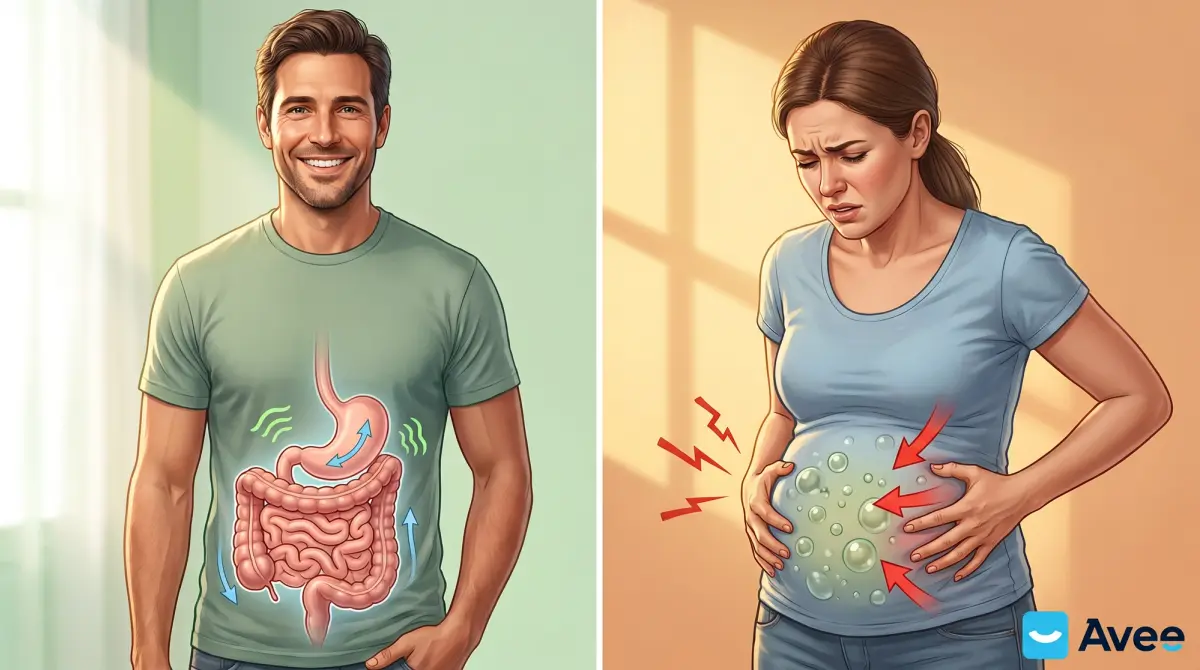
That means a noisy or bubbly stomach does not automatically mean something is wrong.
The important issue is the overall pattern.
Also read:What Is an Odontologist? A Complete Guide to Forensic Dentistry, Training, Jobs, and What They Do
Swallowing Too Much Air Can Cause a Bubbly Stomach
One of the simplest explanations for bubble gut symptoms is swallowing air.
You may swallow more air when you:
- Eat very quickly
- Talk while chewing
- Chew gum
- Drink through a straw
- Drink carbonated beverages
- Suck on hard candy
- Eat while rushing
- Swallow frequently because of certain habits
Some swallowed air is released through burping. Some moves farther through the digestive system.
If you swallow a lot of air, your abdomen may feel full, tight, or bubbly.
This is one reason why slowing down during meals can make a noticeable difference for some people.
Gas-Producing Foods Can Cause Bubble Gut
Certain foods naturally produce more gas during digestion.
Examples can include:
- Beans
- Peas
- Lentils
- Some vegetables
- Some fruits
- Whole grains
- Carbonated drinks
- Certain sugar-free foods
High-fiber foods deserve special attention.
Fiber is important for digestive health, but suddenly increasing fiber can temporarily increase gas and bloating. This does not mean you should avoid healthy fiber completely. Instead, increasing fiber gradually and drinking enough fluid may make the adjustment easier.
A useful approach is to look for patterns instead of labeling an entire food group as “bad.”
For example, if your stomach becomes noticeably bloated every time you eat a very large serving of beans, the problem may be the amount, preparation, or your individual tolerance rather than beans being unhealthy.
Carbonated Drinks May Make Bubble Gut Worse
Soda, sparkling water, energy drinks, and other carbonated beverages contain dissolved gas.
That gas can increase the amount of air in your digestive system and contribute to burping or bloating.
If you frequently experience a bubbly stomach after drinking carbonated beverages, try reducing them for a period and see whether your symptoms change.
You do not necessarily need to eliminate every carbonated drink forever. The goal is to identify what actually affects your body.
Constipation Can Cause Bubble Gut
Constipation is another common reason for abdominal pressure and bloating.
When stool moves slowly through the colon, digestive contents can build up. Gas may also become harder to pass.
This can create a combination of:
- Bloating
- Abdominal pressure
- Rumbling
- Gas
- Feeling full
- Infrequent bowel movements
- Hard stools
- Difficulty passing stool
Constipation does not always mean that a person has not had a bowel movement for many days. Changes from your normal bowel pattern can also matter.
If you increase fiber suddenly, you may temporarily create more gas. Increasing fiber gradually and drinking adequate fluids can help reduce this problem.
Food Intolerance May Be Behind Bubble Gut
Some people have difficulty digesting or absorbing certain foods.
Lactose intolerance is a common example.
Lactose is the sugar found in milk and many dairy products. If your body does not produce enough lactase, the enzyme needed to digest lactose, the undigested carbohydrate can reach the colon, where bacteria ferment it.
That process can cause:
- Gas
- Bloating
- Rumbling
- Cramping
- Diarrhea
Other carbohydrates can also cause digestive symptoms in sensitive people.
Fructose and certain fermentable carbohydrates known as FODMAPs may trigger bloating and other symptoms in some individuals.
The key point is that food intolerance is different from a food allergy.
A food allergy involves the immune system and can cause potentially serious reactions. Food intolerance more commonly involves digestive difficulty.
If you suspect a food intolerance, keeping a food and symptom diary can help identify patterns.
IBS Can Cause Bubble Gut Symptoms
Irritable bowel syndrome is another possible explanation for recurring gas, bloating, abdominal pain, diarrhea, constipation, or alternating bowel habits.
IBS is a disorder of gut-brain interaction. The digestive tract may look normal during testing, but its movement and sensitivity can be altered.
Some people with IBS are especially sensitive to normal amounts of gas or stretching inside the digestive tract. As a result, an amount of gas that would barely bother another person can produce significant discomfort.
IBS symptoms can also change with stress.
Certain foods may make symptoms worse, but there is no single “IBS diet” that works for everyone.
Some people benefit from identifying personal triggers, while others may benefit from a structured low-FODMAP approach under professional guidance.
Can Stress Cause Bubble Gut?
Stress can affect the way your digestive system feels and functions.
The brain and digestive tract communicate continuously through the gut-brain connection. During periods of stress, some people notice more:
- Stomach noises
- Gas
- Bloating
- Cramping
- Diarrhea
- Constipation
- Changes in appetite
Stress does not mean that your symptoms are imaginary.
The sensations are real. Stress can influence how strongly you perceive digestive sensations and can also affect intestinal movement.
This is especially relevant for people with IBS and other disorders of gut-brain interaction.
Can Eating Too Much Cause Bubble Gut?
Yes.
A very large meal physically places more contents inside the digestive tract.
You may feel:
- Extremely full
- Tight around the abdomen
- Bloated
- Gassy
- Sleepy
- Uncomfortable
Eating a large amount of food quickly can also increase swallowed air.
This is especially common after holidays, restaurant meals, celebrations, cheat meals, or high-calorie eating plans.
Occasional fullness after overeating is usually not a disease.
However, regularly needing extremely large meals and repeatedly experiencing severe bloating deserves more attention.
What Causes Bubble Gut in Bodybuilding?
The bodybuilding meaning of “bubble gut” is different.
In fitness culture, bubble gut usually describes a visibly distended abdomen that remains prominent even when the athlete has very low body fat and substantial abdominal definition.
It is sometimes called:
- HGH gut
- Steroid gut
- Palumboism
- Bodybuilder belly
- Insulin gut
These terms are used informally and are not interchangeable medical diagnoses.
The appearance may involve several factors rather than one proven cause.
Possible contributors discussed in bodybuilding include:
- Very high food volume
- Large meals
- Digestive bloating
- Changes in gut contents
- Performance-enhancing drug use
- Growth hormone exposure
- Insulin use
- Abdominal muscle development
- Changes in body composition
- Individual anatomy
Importantly, not every person with a protruding abdomen has used performance-enhancing drugs, and it is not possible to determine someone’s drug use simply by looking at their stomach.
Does HGH Cause Bubble Gut?
Growth hormone is frequently discussed in connection with bodybuilding bubble gut.
The theory is that prolonged exposure to unusually high amounts of growth hormone can affect tissues beyond skeletal muscle. Growth hormone interacts with the body’s growth pathways, including the insulin-like growth factor system.
Some bodybuilding literature and expert commentary have proposed that excessive growth hormone use may contribute to enlargement of internal tissues and organs, potentially contributing to abdominal distension. However, high-quality human evidence specifically proving that HGH causes the exact appearance called “bubble gut” is limited.
This is an important distinction.
It is reasonable to discuss growth hormone as a suspected contributor in some bodybuilding cases, but it is too simplistic to claim that every bubble gut is caused by HGH.
The available evidence does not support diagnosing the cause simply from appearance.
Does Insulin Cause Bubble Gut?
Insulin is another substance frequently mentioned in discussions about bodybuilding bubble gut.
Some competitive bodybuilders have used insulin as part of performance-enhancing strategies because insulin affects glucose and nutrient storage.
Historically, bodybuilding experts have proposed that insulin use, particularly when combined with growth hormone and extreme calorie intake, may contribute to the appearance of a distended abdomen. However, much of the discussion around the specific “bubble gut” phenomenon is based on observation, expert opinion, and bodybuilding culture rather than strong clinical studies.
Therefore, it is better to describe insulin as a possible contributing factor in certain bodybuilding situations rather than as a universally proven cause.
Non-medical insulin use can also be dangerous, particularly because insulin can cause dangerously low blood sugar.
It should never be used for physique enhancement without appropriate medical supervision.
Can a High-Calorie Bodybuilding Diet Cause Bubble Gut?
A high-calorie diet can certainly make the abdomen look larger temporarily.
Consider what happens when someone eats very large amounts of food every day.
There is simply more material moving through the digestive system.
A large meal contains:
- Food
- Water
- Carbohydrates
- Protein
- Fat
- Fiber
- Digestive contents
Some foods also produce more gas during digestion.
If a person eats several large meals every day, the abdomen may appear fuller for much of the day.
This does not necessarily mean the stomach or intestines have permanently enlarged.
It can simply reflect food volume, gas, and normal digestive contents.
This distinction is important when discussing what causes bubble gut because temporary digestive distension and long-term structural abdominal changes are not the same thing.
Can Carbohydrates Cause Bubble Gut?
Carbohydrates themselves are not inherently responsible for bubble gut.
However, certain carbohydrate-rich foods can cause more gas in people who have difficulty digesting or absorbing them.
Examples include certain fermentable carbohydrates.
Gut bacteria ferment carbohydrates that reach the colon without being fully absorbed. This fermentation produces gas.
A large increase in carbohydrate intake can therefore make some people feel more bloated, particularly if the foods are high in fermentable carbohydrates or fiber.
This is one reason a bodybuilder who suddenly changes carbohydrate intake may notice a temporary change in abdominal appearance.
It should not automatically be interpreted as permanent organ enlargement.
Can Abdominal Muscles Make the Waist Look Bigger?
Yes.
Muscle growth does not always make the waist look smaller.
The abdominal wall includes several muscles, including the rectus abdominis and oblique muscles.
A person who performs heavy lifting and develops substantial abdominal and trunk musculature may develop a thicker midsection.
This is different from bloating.
A muscular waist can remain relatively firm and stable throughout the day, while gas-related distension may change considerably after meals or bowel movements.
This difference can provide a useful clue, although appearance alone cannot establish a diagnosis.
Is Bubble Gut the Same as Bloating?
No.
Bloating is mainly a sensation of fullness, pressure, or tightness in the abdomen.
Distension means the abdomen actually becomes visibly larger.
A person can feel bloated without having obvious visible distension. Another person can have visible abdominal distension without describing significant discomfort.
Bubble gut may refer to either experience depending on how the person is using the term.
That is why healthcare professionals usually ask more specific questions instead of using “bubble gut” as a diagnosis.
What Symptoms Can Come With Bubble Gut?
Depending on the cause, a bubbly or distended abdomen may occur with:
- Burping
- Passing gas
- Abdominal pressure
- Cramping
- Stomach noises
- Feeling full quickly
- Diarrhea
- Constipation
- Nausea
- Heartburn
- Changes in bowel movements
Gas itself is usually a normal part of digestion. The concern increases when gas and bloating are persistent, severe, or associated with other symptoms.
When Is Bubble Gut Usually Harmless?
Occasional bubbling or bloating is usually less concerning when:
- It happens after a large meal.
- It improves after passing gas.
- It improves after a bowel movement.
- You recently ate foods that commonly cause gas.
- You drank a carbonated beverage.
- You ate quickly.
- You have no severe pain.
- You do not have unexplained weight loss.
- You do not have bleeding.
- Your symptoms resolve within a reasonable period.
The digestive system is active throughout the day.
Sounds, movement, gas, and changes in abdominal fullness are normal parts of digestion.
The goal is not to eliminate every stomach noise.
When Should You See a Doctor for Bubble Gut?
Persistent or recurring bloating should not simply be ignored.
Consider talking with a healthcare professional if you regularly experience:
- Persistent abdominal swelling
- Repeated abdominal pain
- Ongoing diarrhea
- Ongoing constipation
- Unexplained weight loss
- Blood in the stool
- Recurrent vomiting
- Major changes in bowel habits
- Symptoms that interfere with daily activities
Mayo Clinic recommends medical evaluation when gas or gas pain does not go away or becomes severe enough to interfere with daily life. Additional symptoms such as blood in the stool, changes in bowel habits, weight loss, constipation, diarrhea, or recurring nausea and vomiting can make evaluation especially important.
What Are the Emergency Warning Signs?
Some abdominal symptoms require urgent medical attention.
Seek emergency care for severe or rapidly worsening abdominal pain, especially when it occurs suddenly.
Other concerning signs can include:
- Vomiting blood
- Severe difficulty breathing
- A very swollen abdomen with severe pain
- Inability to pass stool or gas along with significant symptoms
- Fainting or severe weakness
- Signs of significant bleeding
Severe abdominal symptoms should not be assumed to be “just gas.”
Serious conditions can sometimes begin with symptoms that seem similar to ordinary digestive discomfort.
Can Bubble Gut Be Caused by Gastroparesis?
Yes, gastroparesis can contribute to abdominal bloating and distension.
Gastroparesis involves delayed movement of food from the stomach into the small intestine.
When food remains in the stomach longer than expected, a person may experience:
- Early fullness
- Bloating
- Nausea
- Vomiting
- Abdominal discomfort
- Feeling full after eating a small amount
Gastroparesis is one of several digestive conditions that can contribute to abdominal distension.
Also read:What Can Dentists Do? A Complete Guide to Dental Treatments and Services
If you regularly feel full after only a small amount of food or frequently vomit undigested food, medical evaluation is important.
Can Celiac Disease Cause Bubble Gut?
Celiac disease can cause digestive symptoms including bloating and gas.
Celiac disease is an immune-mediated condition triggered by gluten in people who have the disease.
It is important not to assume that every person with bloating has celiac disease.
However, persistent bloating combined with diarrhea, weight loss, anemia, or other digestive symptoms may justify discussing celiac testing with a healthcare professional. Celiac disease is among the conditions associated with increased gas and bloating.
If you are being evaluated for celiac disease, do not start a strict gluten-free diet before discussing testing with your healthcare professional because removing gluten can affect certain test results.
Can SIBO Cause Bubble Gut?
Small intestinal bacterial overgrowth, commonly called SIBO, can contribute to gas and bloating.
Normally, most intestinal bacteria live in the colon. SIBO involves an abnormal increase or change in bacteria in the small intestine.
These bacteria can ferment carbohydrates and produce gas.
Some people with SIBO experience:
- Bloating
- Excessive gas
- Abdominal discomfort
- Diarrhea
- Weight loss in more significant cases
SIBO is only one possible cause of bloating, however. It is not a good idea to assume that every case of bubble gut is SIBO.
Can Inflammatory Bowel Disease Cause Bubble Gut?
Inflammatory bowel diseases such as Crohn’s disease and ulcerative colitis can produce abdominal symptoms.
Possible symptoms include:
- Abdominal pain
- Diarrhea
- Changes in bowel habits
- Weight loss
- Fatigue
- Blood in the stool
Bloating can occur, but these diseases involve inflammation and require medical evaluation and treatment.
If abdominal symptoms are persistent and accompanied by blood in the stool, unexplained weight loss, fever, or significant diarrhea, do not treat the problem as ordinary gas.
Can a Bowel Obstruction Cause Abdominal Distension?
Yes.
A bowel obstruction can prevent digestive contents and gas from moving normally through the intestines.
This can cause significant abdominal swelling and pain.
A person may also experience vomiting and may be unable to pass stool or gas.
This is very different from mild bloating after eating.
A swollen abdomen combined with severe pain, vomiting, or inability to pass stool or gas requires urgent medical assessment.
Can Liver Problems Cause a Swollen Abdomen?
Certain liver conditions can cause fluid to build up inside the abdomen.
This condition is called ascites.
Ascites is not the same as ordinary gas or food-related bloating.
The abdomen may gradually become larger and feel heavy or tight.
Because abdominal swelling can have many causes, persistent or unexplained enlargement should be evaluated rather than automatically blamed on diet.
Cleveland Clinic lists fluid accumulation from liver disease among possible causes of abdominal distension.
How Can You Tell If Bubble Gut Is From Food?
One of the most useful methods is to look for a repeatable pattern.
For two to three weeks, consider recording:
- What you eat
- Portion size
- Meal timing
- Drinks
- Bowel movements
- Abdominal symptoms
- Stress level
- Exercise
- Sleep
- Medications and supplements
You may discover that symptoms occur after a specific type of meal rather than after all meals.
For example, you might notice that bloating occurs after large portions of dairy but not after other foods.
Or you may notice that the problem happens mainly when you eat quickly.
Patterns are often more useful than guessing.
What Can You Do at Home for Mild Bubble Gut?
If your symptoms are mild and there are no warning signs, simple habits may help.
Try eating smaller portions.
Eat slowly.
Chew food thoroughly.
Limit carbonated drinks if they make you feel bloated.
Avoid foods that consistently trigger your symptoms.
Drink enough fluids.
Stay physically active if you feel well.
If constipation is contributing to the problem, gradually increasing dietary fiber may help rather than making a sudden large increase.
If you repeatedly experience symptoms, do not keep eliminating more and more foods without understanding the reason.
An overly restrictive diet can make healthy eating difficult.
Should You Try a Low-FODMAP Diet for Bubble Gut?
A low-FODMAP diet can help some people with IBS-related bloating and digestive symptoms.
FODMAP stands for fermentable oligosaccharides, disaccharides, monosaccharides and polyols.
These are certain carbohydrates that may be poorly absorbed or highly fermentable in some people.
Foods containing certain FODMAPs include some fruits, vegetables, grains, and dairy products.
However, a low-FODMAP diet is not simply a list of foods everyone should avoid.
It is usually best approached as a structured process:
- Identify whether the diet is appropriate.
- Reduce selected high-FODMAP foods for a limited period.
- Monitor symptoms.
- Gradually reintroduce foods.
- Identify personal tolerance levels.
Working with a registered dietitian can make this process safer and more useful.
Should You Avoid Fiber If You Have Bubble Gut?
Not necessarily.
Fiber is important for bowel health.
The mistake is often increasing fiber too quickly.
For example, a person who suddenly goes from a low-fiber diet to eating large amounts of beans, whole grains, vegetables, and fiber supplements may experience more gas.
A gradual increase is usually easier for the digestive system.
Drinking adequate fluids is also important.
The goal is not “zero fiber.”
The goal is an amount and type of fiber that your digestive system tolerates well.
Can Exercise Help With Bubble Gut?
Regular physical activity can support normal digestion and bowel movement patterns.
Gentle movement may be particularly helpful when bloating is associated with inactivity or constipation.
You do not need an extreme workout.
Walking can be a practical starting point.
If exercise consistently causes severe abdominal pain, nausea, or other concerning symptoms, however, the issue deserves medical evaluation rather than simply adding more exercise.
Does Drinking Water Get Rid of Bubble Gut?
Water is important for normal digestion, but drinking excessive amounts of water will not automatically cure bloating.
Adequate fluid intake can support healthy bowel function, especially when dietary fiber is increased.
If constipation is contributing to your symptoms, maintaining good hydration can be useful.
However, persistent abdominal distension should not be treated by repeatedly drinking large quantities of water.
The underlying cause matters.
What About Gas-Relief Products?
Some over-the-counter products are marketed for gas and bloating.
Whether they help depends on the cause.
For example, a product that reduces gas discomfort may not solve lactose intolerance, constipation, IBS, or another underlying condition.
Before regularly using medication or supplements for chronic symptoms, consider discussing the problem with a healthcare professional.
This is especially important if you have other medical conditions or take prescription medicines.
How Is Persistent Bubble Gut Diagnosed?
There is no single “bubble gut test.”
A healthcare professional usually starts with your history.
They may ask:
- When did the symptoms begin?
- Is the abdomen visibly swollen?
- Does it happen after meals?
- What foods seem to trigger it?
- How often do you have bowel movements?
- Do you have diarrhea or constipation?
- Do you have pain?
- Are you losing weight?
- Do you have nausea or vomiting?
- What medicines and supplements do you take?
- Have you had previous abdominal surgery?
- Does stress change your symptoms?
Mayo Clinic notes that evaluating chronic bloating may involve looking at the timing of symptoms, relationship to diet, medications and supplements, surgical history, and bowel movement patterns.
Depending on the symptoms, testing may include blood tests, stool tests, breath testing, imaging, endoscopy, or other investigations.
Not everyone with bloating needs every test.
The appropriate evaluation depends on the pattern and severity of symptoms.
Why You Should Not Diagnose Bubble Gut From Appearance Alone
This is particularly important in bodybuilding.
Also read:What Is a DMD? Meaning, Degree, Education, Licensing, and Dental Career Guide
A protruding abdomen does not prove that someone has “HGH gut.”
It could reflect:
- Food volume
- Gas
- Water retention
- Body fat
- Abdominal muscle size
- Natural anatomy
- Posture
- Digestive disease
- Medication effects
- Or multiple factors together
Even medical professionals need a history and, when appropriate, examination or testing to determine the cause of persistent abdominal distension.
A photograph cannot provide that information.
Can Bubble Gut Be Reversed?
Whether bubble gut can be reversed depends on what is causing the abdominal appearance in the first place. If the problem is mainly caused by temporary bloating, excess gas, constipation, or eating very large amounts of food, addressing those factors may reduce abdominal swelling and make the stomach look flatter. Simple changes such as eating appropriate portions, identifying foods that trigger bloating, staying hydrated, and maintaining regular physical activity may help.
If the appearance is related to body composition, gradual improvements in nutrition and exercise may change the way the abdomen looks over time. However, trying to lose abdominal fat quickly through severe calorie restriction is not a healthy solution. If an underlying digestive or medical condition is responsible, treating that condition should be the priority rather than focusing only on appearance.
For bodybuilders, the situation can be more complicated. If non-prescribed performance-enhancing drugs are contributing to abdominal changes, using more extreme dieting, dehydration, or additional substances to hide the appearance can create further health risks. Medical guidance is a safer approach. Some abdominal changes may also take time to improve, and certain structural changes may not completely disappear. This is why it is important to be cautious about products, supplements, exercises, or “detox” programs that promise to permanently eliminate bubble gut.
Can Ab Exercises Fix Bubble Gut?
Abdominal exercises can strengthen the muscles around your core, but they cannot correct every cause of bubble gut. Exercises such as planks, controlled crunches, leg raises, and other core movements can improve abdominal strength, stability, and muscle development. They may also improve posture and how the midsection looks.
However, exercise cannot directly remove intestinal gas, cure constipation, or treat digestive conditions such as celiac disease or inflammatory bowel disease. It also cannot reverse every structural change that may be associated with certain performance-enhancing drug practices.
This means abdominal training can be a useful part of an overall fitness program, but it should not be viewed as a universal treatment for abdominal distension. If your stomach remains unusually swollen despite regular exercise, it is more useful to investigate the possible cause than to simply add more ab workouts.
Common Mistakes People Make When Trying to Get Rid of Bubble Gut
One of the biggest mistakes is removing large numbers of foods from the diet without knowing which foods are actually causing symptoms. This can make eating unnecessarily restrictive and may reduce important nutrients. A better approach is to look for consistent patterns and make one reasonable change at a time.
Another mistake is assuming that every case of bloating means you have a “bad gut.” Occasional gas, stomach noises, and temporary bloating are normal parts of digestion. They do not automatically mean that your digestive system is unhealthy.
Some people also turn to detox drinks, unproven supplements, or extreme diets. These approaches are often promoted as quick solutions, but they do not address the underlying cause of persistent abdominal distension. Deliberately drinking too little water is another poor strategy. While water can temporarily affect how your body feels, dehydration can contribute to constipation and can become dangerous when severe.
Bodybuilders may face an additional problem when they copy the diets, supplement routines, or drug practices of professional athletes. A professional competitor’s routine may involve an unusual training schedule, very high food intake, specialized preparation, or substances that carry significant risks. Copying that routine without medical supervision can create problems rather than solve them.
The most effective strategy is to identify why your abdomen looks or feels distended and then address that specific cause instead of trying increasingly extreme methods.
Bubble Gut vs. Belly Fat
Bubble gut and belly fat are two different things, although they can occur at the same time. Belly fat is stored body fat around the abdomen, while bloating is usually a temporary or recurring increase in abdominal fullness caused by factors such as gas, food, fluid, constipation, or digestive changes.
A person can have noticeable belly fat without experiencing bloating. Another person can be very lean and still develop significant abdominal distension after eating. Someone can also have both body fat and bloating, which can make it harder to determine what is changing the appearance of the stomach.
The timing of the change can provide a useful clue. Body fat generally changes gradually over weeks or months, while bloating can change within hours. For example, your abdomen may look relatively flat in the morning and become noticeably larger after several meals. That pattern is more consistent with temporary distension than with a sudden increase in body fat.
This distinction is important because losing body fat will not necessarily solve digestive bloating, while treating bloating will not remove stored body fat. The right approach depends on the actual reason for the abdominal appearance.
Bubble Gut vs. Water Retention
Water retention can also change how the abdomen looks.
Hormonal changes, dietary changes, medications, and certain medical conditions can influence fluid balance.
However, abdominal fluid accumulation from a medical condition is very different from ordinary temporary bloating.
If your abdomen continues to enlarge without an obvious explanation, especially if you have swelling elsewhere, shortness of breath, or other symptoms, seek medical evaluation.
Bubble Gut vs. Normal Stomach Noises
A noisy stomach is usually not a disease.
The intestines naturally move gas and liquid through the digestive tract.
You may hear:
- Gurgling
- Rumbling
- Bubbling
- Growling
- Churning
These sounds may become more noticeable when you are hungry or after eating.
The sound itself is usually less important than the symptoms occurring with it.
If the bubbling comes with severe pain, persistent vomiting, significant diarrhea, blood in the stool, unexplained weight loss, or major changes in bowel habits, it deserves medical attention.
A Practical Way to Understand What Causes Bubble Gut
Instead of asking only “What causes bubble gut?” ask five smaller questions.
First, is the problem a sensation or a visible change?
Second, does it happen occasionally or almost every day?
Third, does it change after eating certain foods?
Fourth, does it improve after passing stool or gas?
Fifth, are there warning signs?
These questions can narrow down the possibilities much more effectively than searching for one universal cause.
For example, a person who gets mild bloating after beans and carbonated drinks but feels normal the rest of the time has a very different situation from someone with constant abdominal enlargement, vomiting, weight loss, and severe pain.
When Bubble Gut Needs More Than Home Care
Home strategies are reasonable for occasional mild bloating.
They are not enough when symptoms are persistent or worsening.
You should consider professional evaluation if your abdomen is repeatedly swollen, your bowel habits have changed for an extended period, or your symptoms interfere with normal activities.
Medical evaluation is particularly important when bloating occurs with unintentional weight loss, blood in the stool, recurrent vomiting, severe pain, fever, or other unusual symptoms.
The purpose is not to scare you.
Most bloating is not caused by a dangerous disease.
The purpose is to avoid assuming that every persistent symptom is harmless gas.
Frequently Asked Questions About What Causes Bubble Gut
Is bubble gut the same as a bloated stomach?
Not always. Bubble gut is an informal phrase that can describe bubbling, rumbling, gas, cramping, or abdominal distension. Bloating usually refers to a feeling of fullness, pressure, or tightness, while distension means the abdomen is visibly larger.
Why does my stomach bubble after drinking water?
Swallowing water quickly can cause you to swallow air, which may contribute to temporary bubbling or burping. Water itself is not usually a cause of excessive intestinal gas. If bubbling happens frequently with pain, diarrhea, vomiting, or significant bloating, discuss it with a healthcare professional.
Can probiotics cure bubble gut?
Probiotics do not guarantee a cure because bubble gut can have many different causes. Some people may experience digestive benefits from particular probiotic products, while others may notice no improvement or even more gas. The cause of your symptoms should be considered before relying on supplements.
Can bubble gut be a sign of dehydration?
Dehydration is not a typical direct explanation for bubble gut, although inadequate fluid intake can contribute to constipation, which can then cause bloating and abdominal discomfort. Severe dehydration can cause other important symptoms and requires prompt attention.
Why does my bubble gut happen mostly at night?
Evening bloating may be related to the foods and drinks consumed during the day, larger evening meals, slower bowel movement patterns, constipation, or individual digestive sensitivity. If nighttime abdominal swelling is persistent, painful, or associated with weight loss, vomiting, bleeding, or other concerning symptoms, medical evaluation is appropriate.
Final Thoughts
What causes bubble gut depends on what you mean by the term. For everyday digestive symptoms, bubble gut is often related to gas, swallowed air, large meals, carbonated drinks, constipation, food intolerance, or conditions such as IBS. A visibly distended abdomen can have additional causes, including digestive disorders and fluid or digestive-content buildup. In bodybuilding, bubble gut is an informal term for a protruding midsection that may involve several factors, including extreme food volume, digestive distension, muscular development, and possible effects associated with performance-enhancing drug use. There is no single explanation that applies to everyone. The most useful approach is to look at when the symptoms occur, what makes them better or worse, and whether other symptoms are present. Occasional mild bubbling or bloating is usually not a reason for alarm, but persistent, severe, or unexplained abdominal swelling should be evaluated by a healthcare professional rather than treated as ordinary gas.