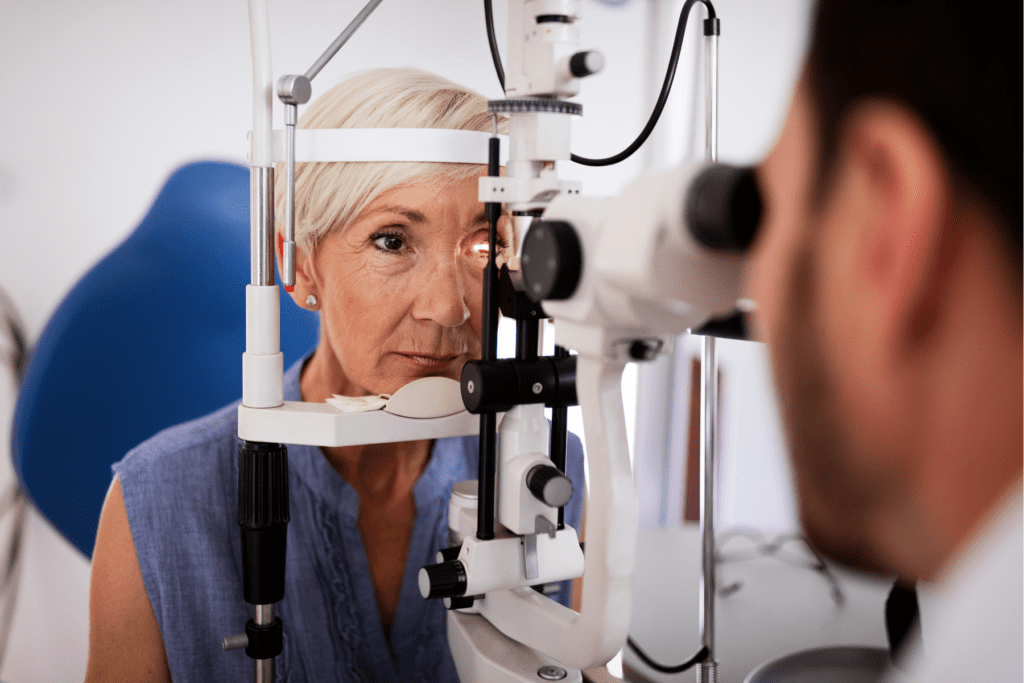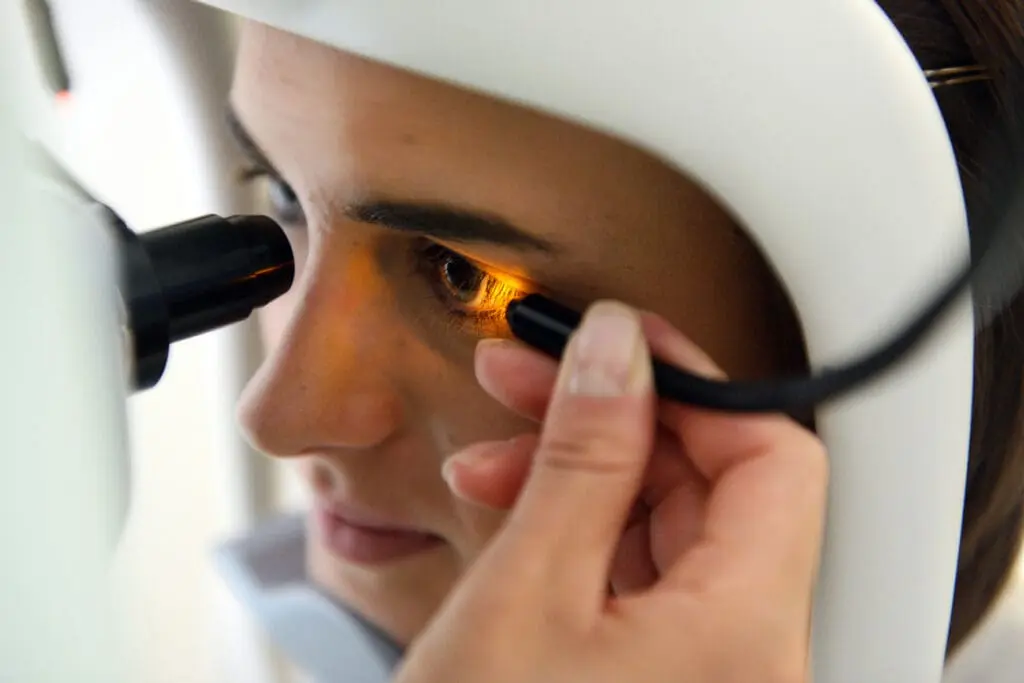

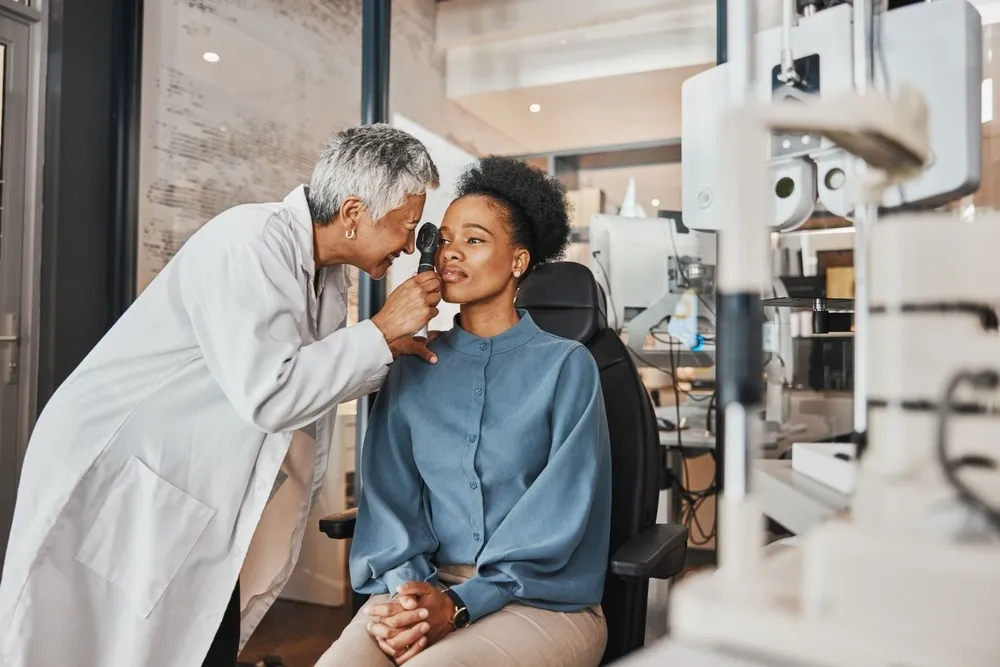
Regular visits to ophthalmologists are fundamental for protecting eye health and preventing vision problems. As medical doctors specializing in eye care, ophthalmologists can detect early signs of conditions like glaucoma, cataracts, and retinal disorders, often before noticeable symptoms appear. By prioritizing routine check-ups, patients benefit from timely treatment and the reassurance that their vision is being cared for by a specialist. Here’s more information on the role of regular check-ups with eye specialists:
Detecting Issues Early
Ophthalmologists can detect eye problems before you notice symptoms. Many serious eye conditions progress slowly and don’t cause pain or vision changes at first. During a routine exam, your eye specialist checks the pressure inside your eyes, examines your optic nerve, and looks at your retina. These tests detect eye conditions like glaucoma, macular degeneration, and diabetic retinopathy in their early stages. Regular eye exams also help detect other health problems. Your eye doctor can sometimes spot signs of diabetes, high blood pressure, or autoimmune diseases by looking at the blood vessels and tissues in your eyes.
Monitoring Chronic Conditions
If you have diabetes, high blood pressure, or a family history of eye disease, regular visits become even more fundamental. These conditions often damage your eyes over time. An ophthalmologist can track changes and begin treatment when needed. Diabetic patients need special attention because high blood sugar can damage the tiny blood vessels in their retinas. This condition, called diabetic retinopathy, is one of the leading causes of blindness in adults.
Your eye specialist will take detailed photos of your retina and check for any signs of blood vessel damage or swelling. People with glaucoma need regular monitoring to make sure their eye pressure stays controlled and their vision remains stable. Ophthalmologists adjust treatment plans as needed and watch for changes that may require different medications or procedures.
Personalizing Vision Care
Every person’s eyes are different, and ophthalmologists create treatment plans that fit your specific eye needs. They contemplate your age, health conditions, family history, and lifestyle when recommending care. Some people need frequent visits, while others can wait longer between check-ups.
Your eye doctor also helps you understand how to protect your vision at home and work. They may suggest special glasses for computer use, recommend eye protection for sports, or explain how certain medications affect your eyes. This personalized advice helps you make better lifestyle choices for your eye health.
When you do need treatment, ophthalmologists often have access to the latest surgical techniques and medical treatments. They can perform procedures like laser surgery, injections, or complex retinal surgery when needed. Having an ongoing relationship with an eye specialist helps you get the right treatment when problems arise.
Supporting Lifelong Eye Health
Regular check-ups help you maintain good vision as you age. Your ophthalmologist can track how your eyes change over time and update your glasses or contact lens prescription as needed. They also watch for age-related conditions like cataracts and macular degeneration.
Children also benefit from regular eye exams to make sure their vision develops properly. An eye specialist can identify problems like lazy eye or crossed eyes that need early treatment to prevent permanent vision problems. They also help to detect refractive errors that may affect school performance.
Consult Ophthalmologists for Expert Care
Regular visits to ophthalmologists provide the best protection for your vision. These eye specialists possess the training, tools, and experience to detect problems early and provide personalized treatment. Contact a trusted eye care practice near you to schedule a consultation with qualified ophthalmologists for expert eye care.
- What Is MASH Liver Disease? Symptoms, Causes, Stages, and Treatment
- Can Fatty Liver Disease Symptoms Appear Without Warning?
- Can Ulcers Cause Diarrhea? Causes, Symptoms, Treatment, and When to Get Help
- Does H. pylori Cause GERD? Understanding the Connection Between H. pylori and Acid Reflux
- How Does the Digestive and Circulatory System Work Together? A Simple Guide
Social Sharing
Your Content Goes Here
Latest Posts