

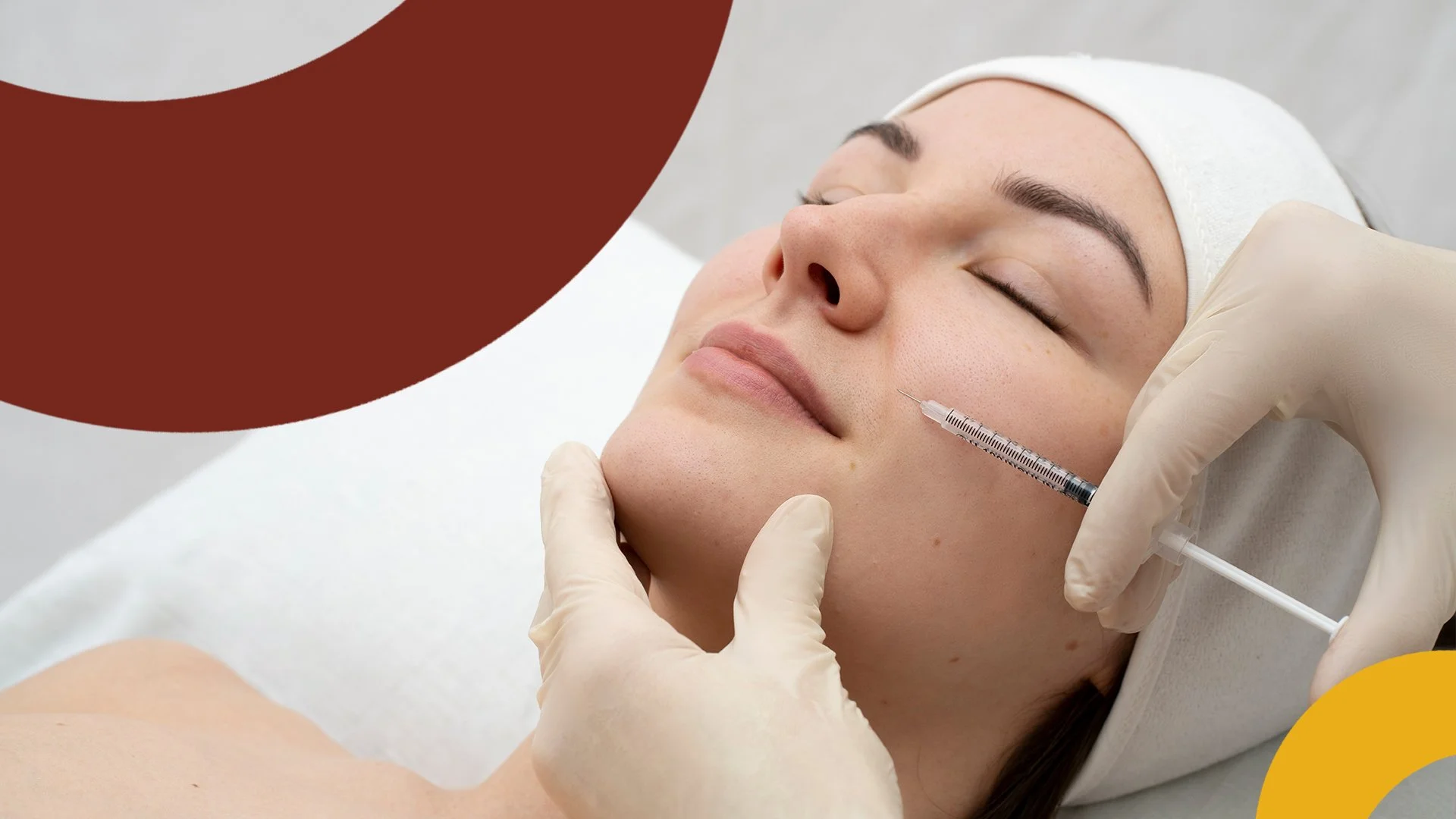
Patients may seek dental care to improve their oral health or the appearance of their smile. Integrating Botox into a dental treatment plan offers a comprehensive approach to facial aesthetics and muscular function, and it allows practitioners to address issues that extend beyond the teeth and gums. Here is more information on combining Botox and dental treatments:
What Is Botox?
Botox is a purified protein derived from the bacterium Clostridium botulinum. It is a neurotoxin that temporarily inhibits muscle activity by blocking nerve signals. In dental settings, it is used in small, controlled doses to relax specific muscles without affecting surrounding areas.
What Issues Does It Treat?
Botox in dentistry is used to treat a variety of conditions related to muscle activity and facial structure. One application is for teeth clenching and grinding, also known as bruxism. By relaxing the muscles responsible for jaw movement, the force exerted on the teeth is reduced.
Another issue addressed is an abnormally large masseter muscle, which can give the face a wide or square appearance. Injections into this muscle help soften the jawline and reduce its size over time. This may provide both aesthetic relief and a reduction in tension headaches associated with muscle overuse.
Patients with a “gummy smile,” where excessive gum tissue is visible when smiling, also benefit from this treatment. Botox can relax the upper lip muscles, preventing them from raising too high and revealing too much gum. It can also correct lip deformities or alleviate jaw muscle spasms that cause discomfort or limited movement.
How Does It Work?
The mechanism of Botox involves blocking the transmission of nerve impulses to the injected muscles. Once the nerve signals are interrupted, the muscle is unable to contract forcefully. This relaxation phase allows the muscle to rest, and it creates a smoothing effect on the overlying skin. The effects are localized, and this precision allows for therapeutic relief while maintaining natural facial expressions.
What Does the Process Involve?
The procedure is relatively quick and minimally invasive. A dentist will first evaluate the patient’s facial anatomy and discuss specific goals. The treatment area is cleaned, and a fine needle is used to inject small amounts of the solution into the targeted muscles.
Patients may report minor discomfort during the injection, often described as a small pinch. There is typically no downtime required, allowing patients to return to their daily activities immediately. Results generally begin to appear within a few days, and full effects are visible within about two weeks.
What Are the Benefits?
Combining Botox with dental treatments offers a holistic approach to oral and facial care. Relaxing the lip muscles can frame a newly restored smile more effectively. Treating the underlying muscular causes of bruxism can help protect dental restorations such as crowns and veneers from damage caused by grinding.
Convenience is another advantage for patients. Receiving Botox during a routine dental visit eliminates the need for separate appointments at different clinics. This streamlined care saves time and allows for a coordinated treatment plan managed by a single provider.
Combine Botox With Dental Treatments
Incorporating Botox into dental care provides a multifaceted solution for patients seeking functional relief and aesthetic improvement. By addressing muscular issues like bruxism or gummy smiles, dentists enhance the longevity of dental work and the overall appearance of the face. Consult with a dental professional to determine if this combined approach is appropriate for your specific needs.
Social Sharing
Your Content Goes Here
Latest Posts