
Getting used to progressive eyeglass lenses is typically a gradual process that requires some time and patience. With regular use and proper adjustments, wearers may become more comfortable with them. Progressive lenses provide a smooth transition between different vision zones without the visible lines found in traditional bifocals. Here are some tips for improving comfort when wearing progressive lenses:
Select Appropriate Frames
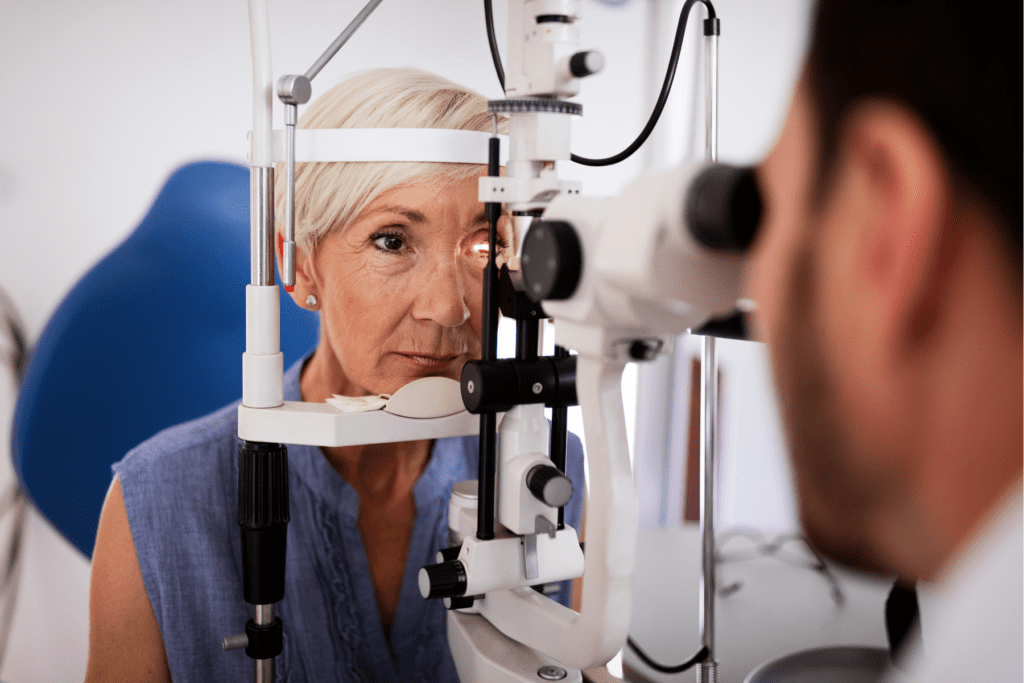
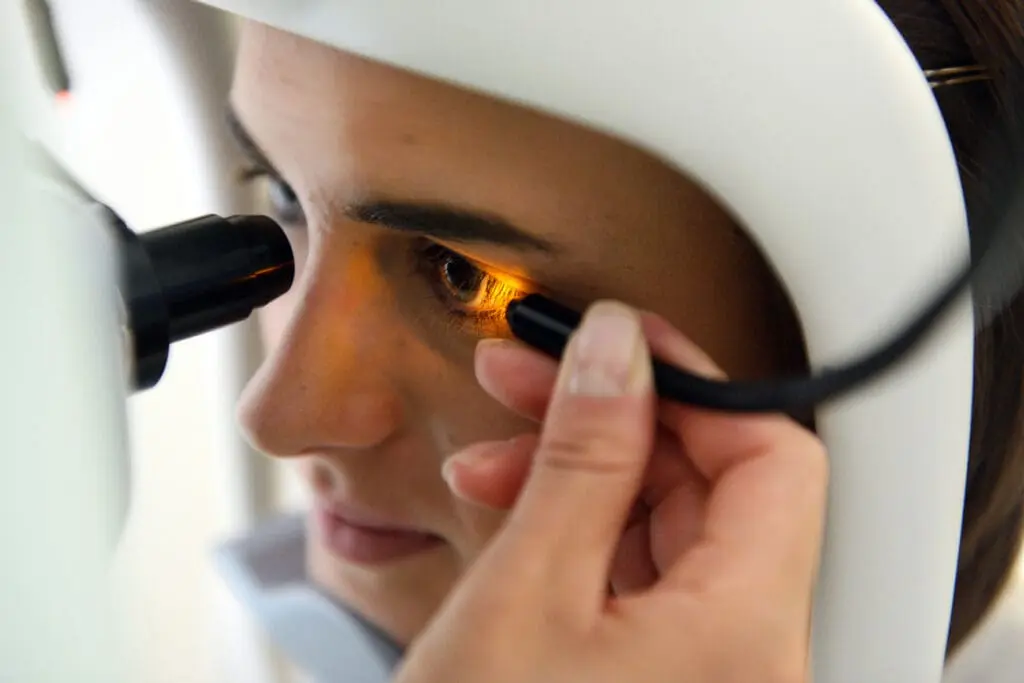
The right frame will maximize comfort with your progressive eyeglass lenses. When choosing frames, prioritize a proper fit that doesn’t interfere with your vision. Professional optometrists make sure patients select high-quality and properly fitted frames to maximize comfort; they usually measure and fit frames to make sure the lens optical center aligns with a patient’s pupils. For better comfort, choose lenses with wider areas that support distance, intermediate, and near vision, allowing a smoother visual transition. Make sure your frames fit securely and do not slide down your nose; adjustable nose pads can help achieve a stable fit.
Understand Head and Eye Movement
Progressive lenses have multiple vision zones that require both the eyes and head to move in coordination. Unlike single-vision glasses, which rely mainly on eye movement to bring objects into focus, progressive lenses may require slight adjustments of the head to see clearly at different distances. For near tasks, such as reading, writing, or detailed work, a gentle downward tilt of the head can help align the eyes with the appropriate portion of the lens. Practicing this movement allows for smoother transitions when switching between close and intermediate vision.
When looking at objects in the distance, it may be helpful to maintain a natural, upright head position. This enables the eyes to access the upper part of the lens, which is designed for distance viewing. Becoming aware of head and eye positioning can make it easier to use the full lens area and help individuals avoid visual discomfort at the edges of the lens. Paying attention to these movements also encourages a more natural posture while using the glasses for various activities.
Use Proper Lighting
When using progressive lenses, having adequate lighting helps make tasks more comfortable and easier to perform. Good lighting allows the eyes to navigate the different zones of the lens, making it simpler to focus on objects at various distances. In dim or uneven lighting, the eyes may need to work harder to locate the correct area of the lens, which leads to visual fatigue. Bright, even lighting also helps reduce the effects of peripheral blur that sometimes occurs at the edges of the lens. In work or reading spaces, adjustable task lights or warmer LED lighting provide focused illumination for close-up activities, such as reading documents or working on detailed projects. Paying attention to the lighting in different environments can make everyday tasks more manageable when wearing progressive lenses.
Wear Them Consistently
Wearing progressive lenses consistently allows the eyes to adjust to different visual zones. During the first few weeks, it is helpful to wear them full-time, including indoors. Some people notice a slight “swim” effect or mild dizziness at first as their vision adapts. Starting early helps make it easier to become accustomed to the lenses. To further support better adaptation, avoid switching between old and new glasses, as frequent changes may make it harder for the brain to adjust.
Get Customized Progressive Eyeglass Lenses
Progressive lenses help provide clear vision at multiple distances. Choosing an appropriate frame and coordinating head movements helps the eyes adapt to new visual patterns, while keeping the lenses clean prevents smudges that interfere with clarity. Consult a qualified eye professional today to find lenses that fit well and meet your visual needs.
- What Is MASH Liver Disease? Symptoms, Causes, Stages, and Treatment
- Can Fatty Liver Disease Symptoms Appear Without Warning?
- Can Ulcers Cause Diarrhea? Causes, Symptoms, Treatment, and When to Get Help
- Does H. pylori Cause GERD? Understanding the Connection Between H. pylori and Acid Reflux
- How Does the Digestive and Circulatory System Work Together? A Simple Guide
Social Sharing
Your Content Goes Here
Latest Posts