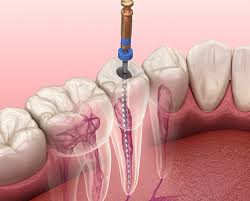

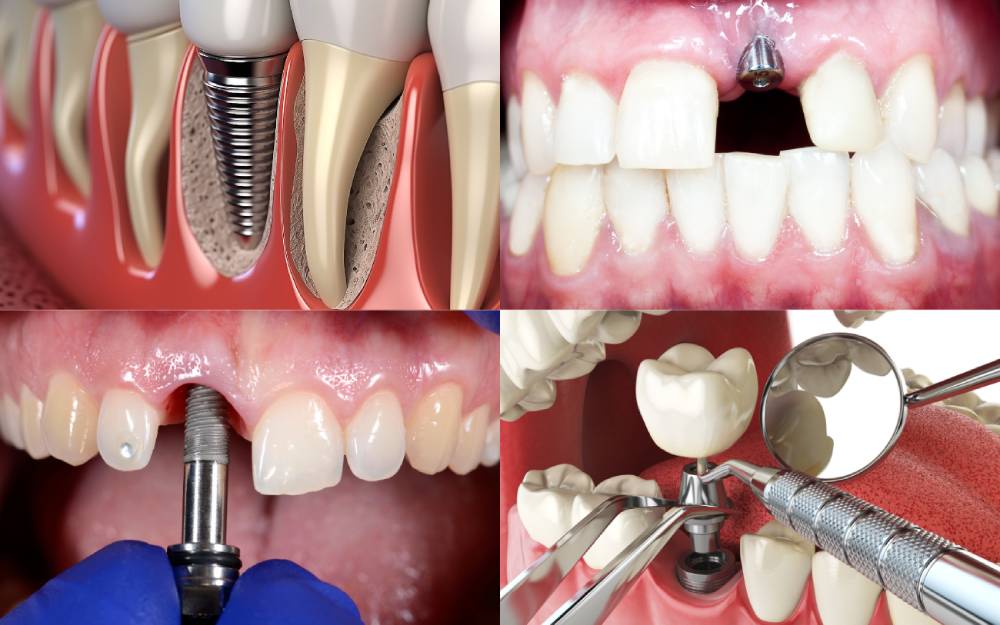
Dental implants are artificial tooth roots, typically made from titanium, that are surgically placed into the jawbone to support replacement teeth or bridges. They provide a stable foundation for fixed or removable prosthetic teeth, and they function much like natural teeth. Implants benefit individuals who have lost one or more teeth due to injury, decay, or disease. They last for years and can restore both function and appearance.
Understand Dental Implants
Dental implants serve multiple functions beyond simply filling gaps in your smile. They help preserve jawbone density by stimulating bone growth, which prevents the bone loss that typically occurs after tooth loss. This stabilization maintains facial structure, and it helps prevent the sunken appearance that can develop when teeth are missing.
Implants also restore full chewing function, which allows you to eat a wider variety of foods without discomfort. Unlike traditional dentures, implants do not slip while speaking, and they do not cause irritation to the surrounding gum tissue. They do not require alteration of adjacent healthy teeth.
Maintain Optimal Hygiene
In general, you will care for your implants just as you would care for natural teeth. Preventative dental care is still beneficial in the case of implants. Regular professional cleanings help remove plaque, and they remove tartar buildup that can contribute to inflammation and oral disease.
Your dentist may recommend antimicrobial rinses to reduce bacterial populations around the implant site. Avoiding tobacco products is another preventative measure, as smoking increases the risk of implant complications and failure. Smoking tobacco has been proven to interfere with the healing process; it potentially prolongs healing after surgical procedures.
Prevent Common Complications
Maintaining proper daily oral hygiene helps extend the life of your implants. Brush at least twice daily using a soft-bristled toothbrush, and pay special attention to all surfaces of the implant crown and the gum line. Floss once a day between all your teeth, just as you would with natural teeth.
Monitor Long-term Health
Regular dental visits play a role in implant longevity. Most dentists recommend checkups every six months, though your specific schedule may vary based on your oral health status and risk factors. During these appointments, your dentist examines the implant, surrounding tissues, and bone levels; these exams help the provider detect any early signs of complications.
Professional cleanings remove calculus deposits and polish the teeth. Your dentist may also take periodic X-rays, and they monitor bone levels around the implant and verify that the implant remains properly integrated with the jawbone. These imaging studies can reveal problems before they become symptomatic, allowing for earlier intervention and better outcomes.
Learn More About Dental Implants
Dental implants offer a durable solution for missing teeth when properly maintained. Daily brushing and flossing, combined with preventative measures and regular professional care, help protect your investment; the longevity of your implants partly depends on the attention you give to oral hygiene and your commitment to routine dental visits. To learn more about dental implants and their benefits, consult a dentist near you.
- What Is MASH Liver Disease? Symptoms, Causes, Stages, and Treatment
- Can Fatty Liver Disease Symptoms Appear Without Warning?
- Can Ulcers Cause Diarrhea? Causes, Symptoms, Treatment, and When to Get Help
- Does H. pylori Cause GERD? Understanding the Connection Between H. pylori and Acid Reflux
- How Does the Digestive and Circulatory System Work Together? A Simple Guide
Social Sharing
Your Content Goes Here
Latest Posts