
An orthodontist helps patients improve the alignment of their teeth and jaws to achieve a more functional smile. Modern orthodontics offers a variety of solutions designed to address issues like crowding, gaps, or bite misalignments. While children undergo these treatments to guide jaw development, adults also benefit from orthodontic care to alleviate jaw pain and improve the look of their smile. Here is more information about orthodontic treatments and the issues they resolve:
Defining Treatment Goals
Orthodontics focuses on the prevention and treatment of dental and facial irregularities. Many patients struggle with uneven teeth or bite misalignments like an overbite; these issues can impact oral health and comfort. A consultation with a specialist allows you to discuss these concerns and find a path toward a better smile.
Comparing Corrective Options
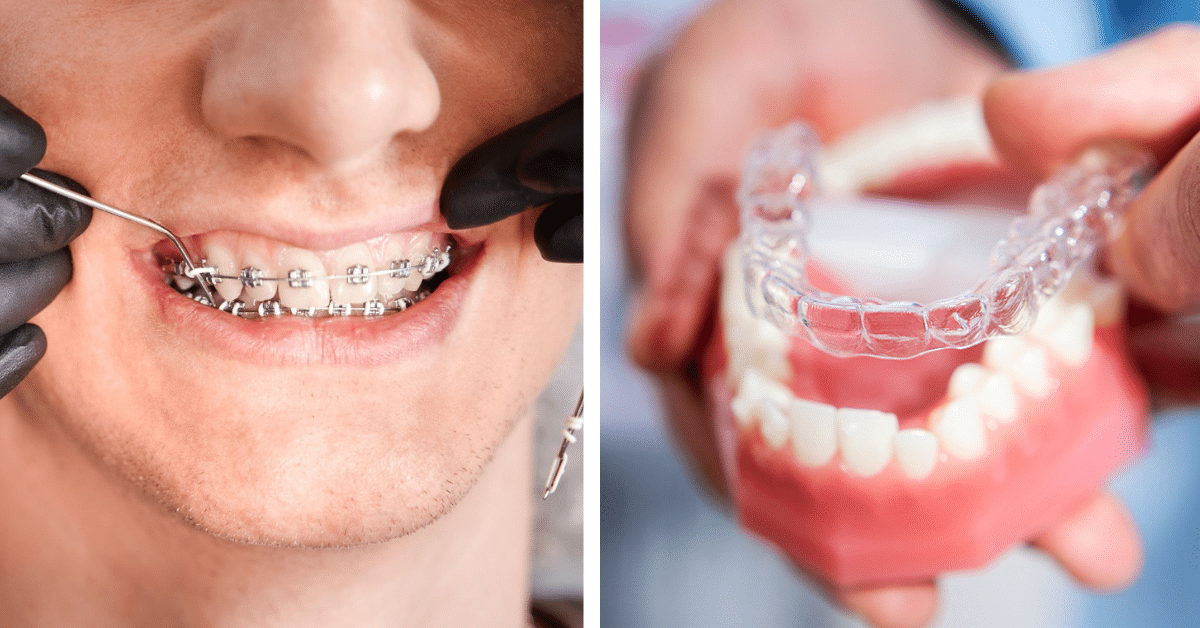
Braces are a standard choice for correcting alignment issues. These appliances use metal or ceramic brackets and wires to move teeth, and practitioners may include elastics to apply extra pressure. Because the hardware is fixed to the teeth, patients must follow specific dietary guidelines. Hygiene may become more involved or require special tools for brushing and flossing.
Clear aligners are a removable alternative to traditional metal braces. These plastic trays are nearly invisible, and you can remove them to eat or clean your teeth. To achieve the desired results, you must wear the aligners for about 22 hours every day. This system uses a series of trays that change every week or two as the teeth shift into position.
Adults may select clear aligners due to their discreet appearance. In some cases, the orthodontist will apply small white attachments to the teeth to help improve the grip between the aligner trays and the teeth. While braces are more noticeable, they provide a level of control and consistency that helps with severe structural problems. You can discuss the benefits of each system with your orthodontist; they can help you decide which treatment is right for your unique situation.
Exploring Specialized Tools
Some patients require specialized tools to address complex issues. Palate expanders widen the upper jaw to create more space, and this process helps correct crossbites. If a patient plays contact sports, they can use a mouthguard to protect their orthodontic appliances. These devices reduce the risk of injury and damage to the teeth or appliances.
Active treatment is only one part of the process. Retainers keep the teeth in place while the surrounding bone and gums stabilize. A retainer must be worn every night after corrective treatment with braces or aligners is completed; this practice prevents a relapse into misalignment. Your provider can give you more personalized instructions and guidance on how to maintain the results of your orthodontic treatment.
Learn More About Orthodontics
An orthodontist helps people improve the look and function of their smile. There are several options of orthodontic treatments and appliances that positively affect dental health, and your provider can discuss your needs in depth and recommend effective treatments. To learn more about orthodontic treatments and what issues they resolve, consult an orthodontist near you.
Social Sharing
Your Content Goes Here
Latest Posts