

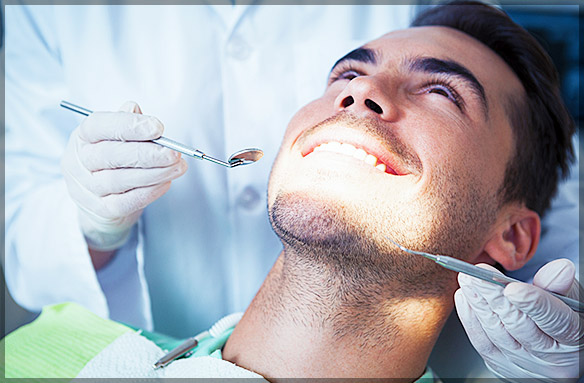
Teeth whitening is a cosmetic dental option for improving the appearance of a smile, but the results and risks vary widely depending on the method you choose. At-home approaches may offer convenience and lower upfront effort, while professional treatments provide stronger formulations, closer supervision, and more predictable outcomes. Here’s more information on DIY whitening methods versus professional treatments:
Whitening at Home
Several at-home teeth whitening methods are available, but not all of them are safe or effective. Here’s what works and what doesn’t:
- Whitening Toothpaste: Whitening toothpaste contains mild abrasives that remove surface stains. While it can make teeth appear slightly brighter, it doesn’t change the natural color of your teeth.
- Whitening Strips: Over-the-counter whitening strips use hydrogen peroxide or carbamide peroxide. These strips can lighten teeth by a few shades, though results vary based on the product’s strength and consistency.
- Baking Soda and Hydrogen Peroxide: Some people mix baking soda with hydrogen peroxide to create a DIY whitening paste. While baking soda can remove surface stains, using it too often may wear down enamel.
- Activated Charcoal: Activated charcoal is marketed as a natural whitening solution. Its abrasive nature may damage enamel over time, and there’s limited scientific evidence supporting its effectiveness.
While some DIY methods offer mild improvements, they don’t provide the same level of whitening as professional treatments.
Choosing Professional Whitening
Professional teeth whitening delivers faster and more noticeable results than DIY methods. Dentists use medical-grade solutions that are stronger and more effective than over-the-counter products. In-office whitening is the fastest way to brighten your smile. A dentist applies a high-concentration whitening gel to your teeth after protecting your gums and tongue, and they use a special light to activate it, speeding up the whitening process. This treatment can lighten teeth by several shades in a single session.
Dentists also offer custom-fitted take-home trays. These trays are filled with a prescribed whitening solution, and they are worn for a few hours each day. Results may take several weeks to appear, but the gradual approach may lead to less sensitivity.
Avoiding Sensitivity and Irritation
DIY and professional dental whitening methods can cause side effects. Understanding these risks is key to choosing the safest option:
- Tooth Sensitivity: Tooth sensitivity occurs when the whitening solution penetrates the enamel and irritates the nerves inside your teeth.
- Gum Irritation: Whitening products can irritate your gums if they come into contact with soft tissue; professional teeth whitening involves careful application and protective measures to reduce irritation.
- Enamel Damage: Overuse of abrasive DIY methods, such as baking soda or activated charcoal, can wear down enamel over time.
- Uneven Results: DIY methods may lead to uneven whitening if the product isn’t applied evenly.
If you experience prolonged sensitivity or irritation after using any whitening method, stop use and consult a dentist.
Picking the Best Approach
Choosing between DIY teeth whitening and professional treatments depends on several factors. DIY methods are convenient, but they offer limited results and may take longer to show improvement. Professional treatments deliver faster and more noticeable results with a lower risk of side effects. If you have sensitive teeth or existing dental issues, professional teeth whitening is safer. A dentist can adjust the strength of the solution and monitor your progress to avoid complications.
Schedule Your Teeth Whitening Appointment
DIY teeth whitening methods can help with minor stains, but professional treatments offer faster, safer, and more effective results. Professional whitening treatment uses medical-grade solutions and is supervised by a dentist, reducing the risk of side effects like sensitivity and enamel damage. To achieve a brighter smile, contact a qualified dentist near you to schedule your teeth whitening appointment today.
- Exploring the Latest Techniques in Aesthetic Dermatology
- The Connection Between Diet and Skin Health in Dermatology
- Evaluating the Success Rates of Different Hair Transplant Methods
- DIY Teeth Whitening Methods vs. Professional Treatments
- The Connection Between Dental Implants and Overall Oral Health
Social Sharing
Your Content Goes Here
Latest Posts