
Understanding the effectiveness of hair transplant procedures helps set realistic expectations for you. Success rates vary depending on the method used, but following provider instructions can increase your chances of success. Since there are supplementary and transplant options available, discuss what works best for you.
Follicular Unit Extraction
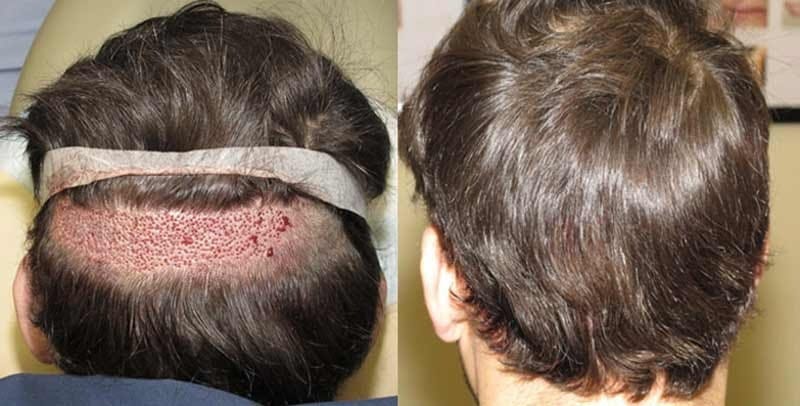
Follicular Unit Extraction (FUE) is a common procedure. Individual hair follicles are removed from a donor area using small instruments, and then they are placed into thinning or balding sections. Small instruments allow for precise placement and support a more natural appearance. This technique may leave tiny dot scars, and healing times are often a few days. The full hair transplant process can take up to a year. Outcomes depend on many factors, including the provider’s skill and experience. Since each graft is handled separately, FUE is designed to support the healthy transfer of follicles.
Follicular Unit Transplant
Follicular Unit Transplant (FUT) is an option for individuals seeking more from a single session, since more follicles are used at once. A strip of skin is removed from the donor area, and the follicles are separated under a microscope. This process is designed to allow for careful selection and handling of hair units. FUT may result in a linear scalp scar. Patients with longer hair may conceal the scar, though those who prefer short styles need to discuss this with their provider. This technique is often recommended for those seeking more coverage in a single procedure. The choice between FUT and other methods depends on your individual goals and must be discussed with your provider.
Supplementary Maintenance Treatments
Surgical methods may be complemented by non-surgical options such as Platelet-rich plasma (PRP) and Low-level laser therapy. PRP involves using your own concentrated platelets, which are injected into the scalp to support healing and promote a favorable environment for hair follicles. These therapies are not substitutes for surgery, and some individuals find them helpful when used alongside other treatments. Low laser light therapy uses light energy to stimulate scalp activity, and some patients use it for maintenance. Ask your provider what they recommend for you. Regular use of these therapies may contribute to a supportive environment, though ongoing commitment is necessary.
Combining surgical and non-surgical approaches may promote optimal conditions for your hair. Maintaining a healthy lifestyle supports hair growth and overall scalp health. Avoiding harsh styling practices and minimizing the use of damaging chemicals helps protect your hair and preserve its natural resilience. There may need to be lifestyle changes, and your provider will let you know what they are. Consulting with a dermatologist or hair specialist provides personalized recommendations to address your needs and create a plan tailored to your goals. While hair genetics are not fully understood, there are options available for restoration.
Book a Hair Transplant Today
Evaluating success rates helps you understand what is possible, but a personal consultation provides the most accurate assessment. Your unique hair loss pattern dictates which method will work best, and a specialist guides your specific decision. Schedule a consultation to discuss your goals. Since your provider gives a consultation first, they can determine the right approach for your needs.
- Exploring the Latest Techniques in Aesthetic Dermatology
- The Connection Between Diet and Skin Health in Dermatology
- Evaluating the Success Rates of Different Hair Transplant Methods
- DIY Teeth Whitening Methods vs. Professional Treatments
- The Connection Between Dental Implants and Overall Oral Health
Social Sharing
Your Content Goes Here
Latest Posts