
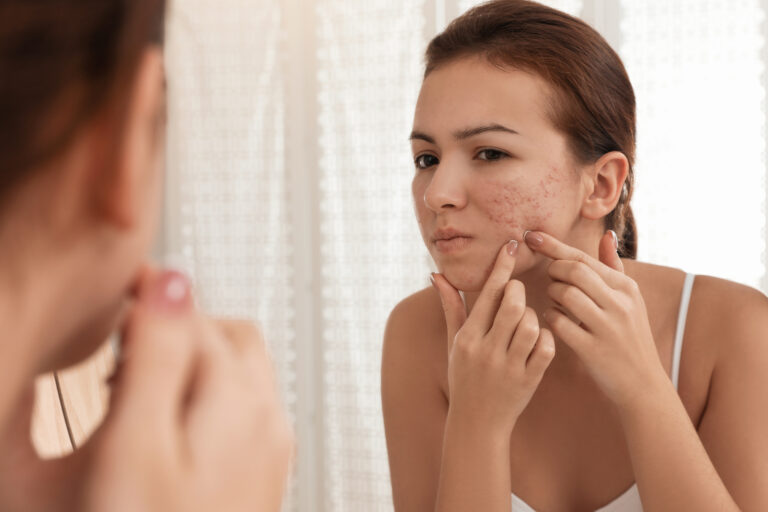
Acne is a skin concern that can affect people of all ages, with symptoms ranging from occasional breakouts to persistent, inflamed lesions that increase the risk of scarring. Dermatology offers a structured approach to acne care by identifying contributing factors and matching treatment to acne type and severity. Here’s a closer look at common dermatology treatments for acne:
Matching Treatment to Acne Type
Different types of acne require specific medical approaches for successful long-term management. Whiteheads and blackheads form when pores clog with excess oil, but extremely painful cysts develop deep beneath the skin. If you guess your specific acne type without a professional assessment, you may use the completely wrong products entirely.
A clear and highly accurate diagnosis is a key step in clearing your skin effectively. A trained clinical provider examines the bumps visually and determines the severity of the current breakouts. Once the dermatology doctor accurately identifies the specific type of acne, they recommend a highly targeted treatment plan for daily use.
Using Topical Treatments
Dermatology professionals often use a variety of topical treatments to effectively address acne. These treatments are selected based on the type and severity of the condition, providing a targeted and personalized approach. Commonly used topical treatments include:
- Benzoyl Peroxide: Helps reduce acne-causing bacteria and minimize inflammation.
- Topical Retinoids: Promote skin cell turnover and unclog pores to prevent and treat acne.
- Clindamycin or Erythromycin: Antibiotic creams or gels that reduce bacterial growth and inflammation.
- Azelaic Acid: A multifunctional agent that helps reduce bacteria, inflammation, and excess pigmentation.
- Salicylic Acid: Exfoliates the skin and unclogs pores, making it a common choice for mild acne.
These tailored topical treatments aim to provide precise and effective care, improving skin health and reducing the recurrence of acne over time..
Exploring Oral And Hormonal Options
Severe and persistent acne often needs internal medication for proper and complete resolution. Topical creams cannot always reach deep underlying cysts, so medical doctors prescribe oral drugs for better penetration. Internal hormonal fluctuations often cause stubborn and continually repeating breakouts in some adult patients. Some patients take daily birth control pills, or they use regulated internal medications like oral spironolactone.
Isotretinoin is an oral drug reserved for very severe clinical acne cases. It physically shrinks overactive oil glands and prevents new bacterial clogs from forming internally. A dermatology doctor monitors the patient closely throughout the entire timeline because this medicine has documented clinical side effects.
Boosting Results With In-Office Treatments
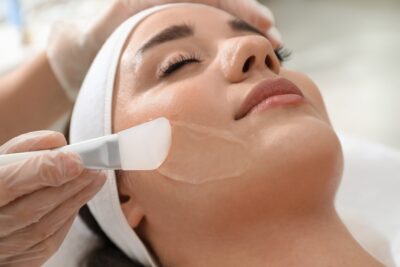
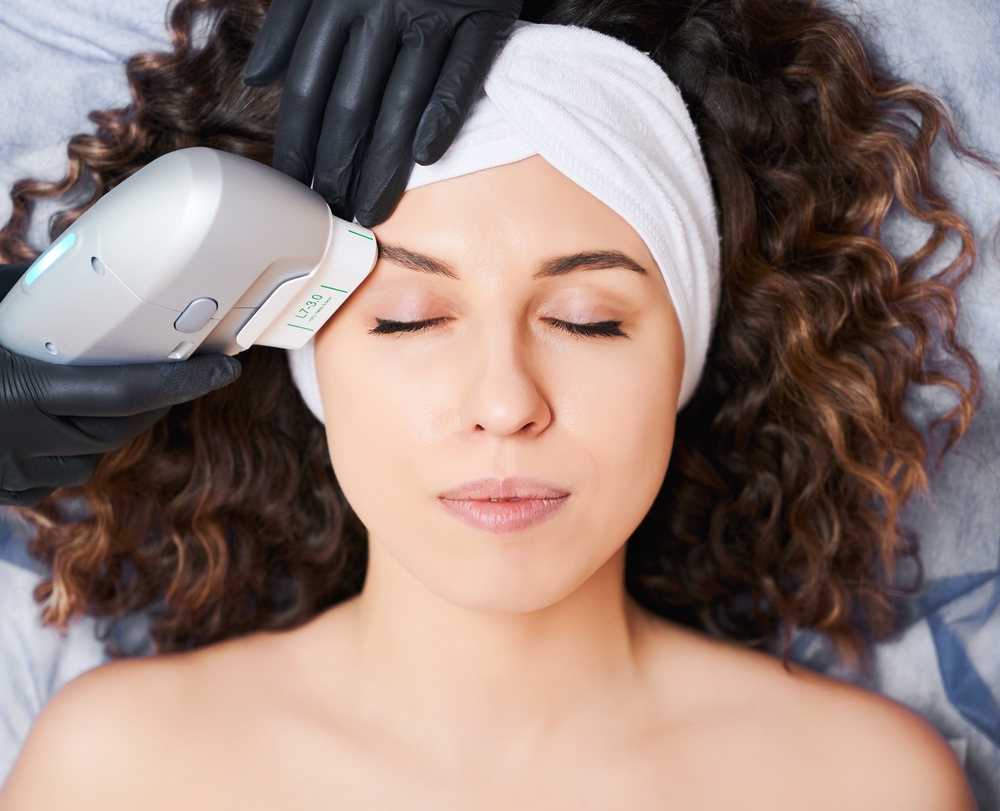
For individuals seeking enhanced outcomes in their skincare routine, a variety of in-office dermatology treatments are available. These procedures are designed to complement at-home regimens and provide targeted benefits for specific skin concerns. Key treatments include:
- Chemical Peels: These peels address issues such as acne, pigmentation, and uneven texture by promoting cellular turnover.
- Light and Laser Therapy: Techniques like IPL (intense pulsed light) and fractional lasers target discoloration, fine lines, and acne scars, improving skin clarity and texture over time.
- Microneedling: This minimally invasive procedure stimulates collagen production, helping reduce the appearance of scars, wrinkles, and enlarged pores.
Combining these in-office treatments with a tailored skincare plan can help patients achieve optimal results and long-term improvements in skin health.
Schedule Your Dermatology Appointment Today.
Acne requires ongoing and proper medical management for the best physical outcomes. You can try basic home remedies initially, but professional clinical guidance produces consistent long-term results. When you seek specialized medical care early in the process, you naturally protect your delicate skin from permanent long-term damage. Contact a qualified dermatology doctor near you to schedule your appointment today.
Social Sharing
Your Content Goes Here
Latest Posts