
Tooth decay is a common dental issue, but with the right preventive care, it can often be avoided or minimized. Restorative solutions like crowns and bridges play a significant role in protecting weakened teeth and preventing further damage. By reinforcing tooth structure and restoring proper function, these treatments address existing decay and reduce the risk of future problems. Here is more information on ways to lower your risk of tooth decay:
Understanding How Tooth Decay Develops
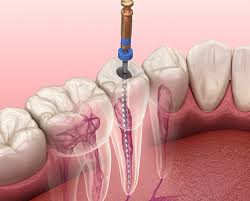
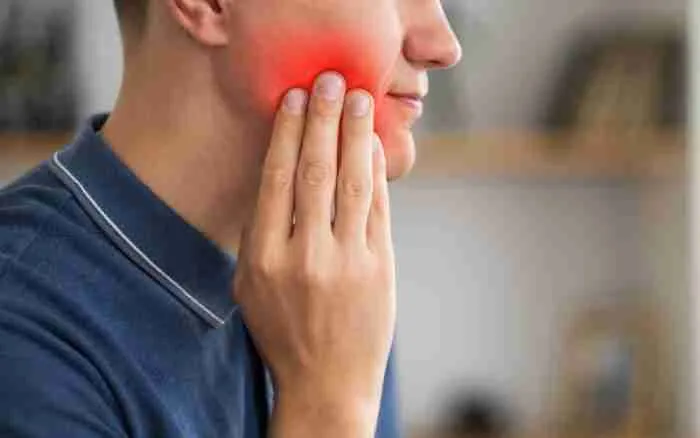
Tooth decay begins when bacteria in your mouth produce acids that attack tooth enamel. These bacteria feed on sugars and starches from food particles left on your teeth. The acid gradually weakens the enamel, creating small holes called cavities. Without treatment, these cavities grow larger and can reach the inner parts of your tooth.
The process happens slowly over time. Plaque, a sticky film of bacteria, constantly forms on your teeth. When you eat or drink sugary foods, the bacteria in plaque produce acids. This acid attack weakens the tooth surface and can eventually break through the enamel completely.
Practicing Habits That Prevent Decay
Brushing your teeth twice daily with fluoride toothpaste removes plaque before it hardens into tartar. Use a soft-bristle toothbrush and brush for at least two minutes each time. Make sure to clean all surfaces of your teeth, including the backs and chewing surfaces.
Flossing daily reaches areas between teeth where your toothbrush cannot go. Food particles and plaque trapped between teeth create perfect conditions for decay to develop. Gentle flossing removes these harmful substances and keeps your gums healthy too.
Fluoride strengthens tooth enamel and helps repair early stages of decay. Using fluoride toothpaste provides extra protection. Some people may benefit from fluoride mouth rinses or professional fluoride treatments at their dentist’s office.
Exploring Restorative Dental Solutions
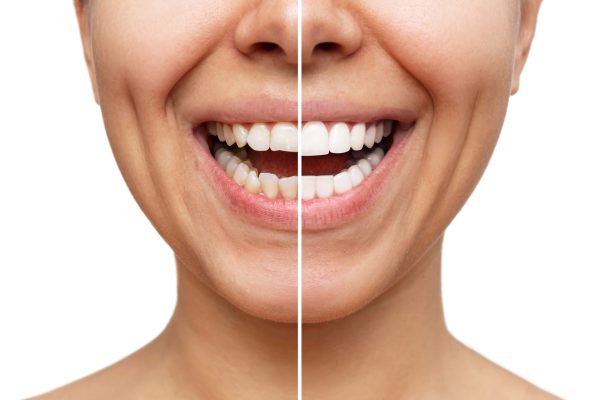
When tooth decay has caused significant damage, dental crowns and bridges provide effective restoration. Crowns are tooth-shaped coverings that protect weakened teeth and restore their original size and strength. Modern dental crowns can be made from all-ceramic materials, zirconia, or porcelain-to-precious-metal combinations.
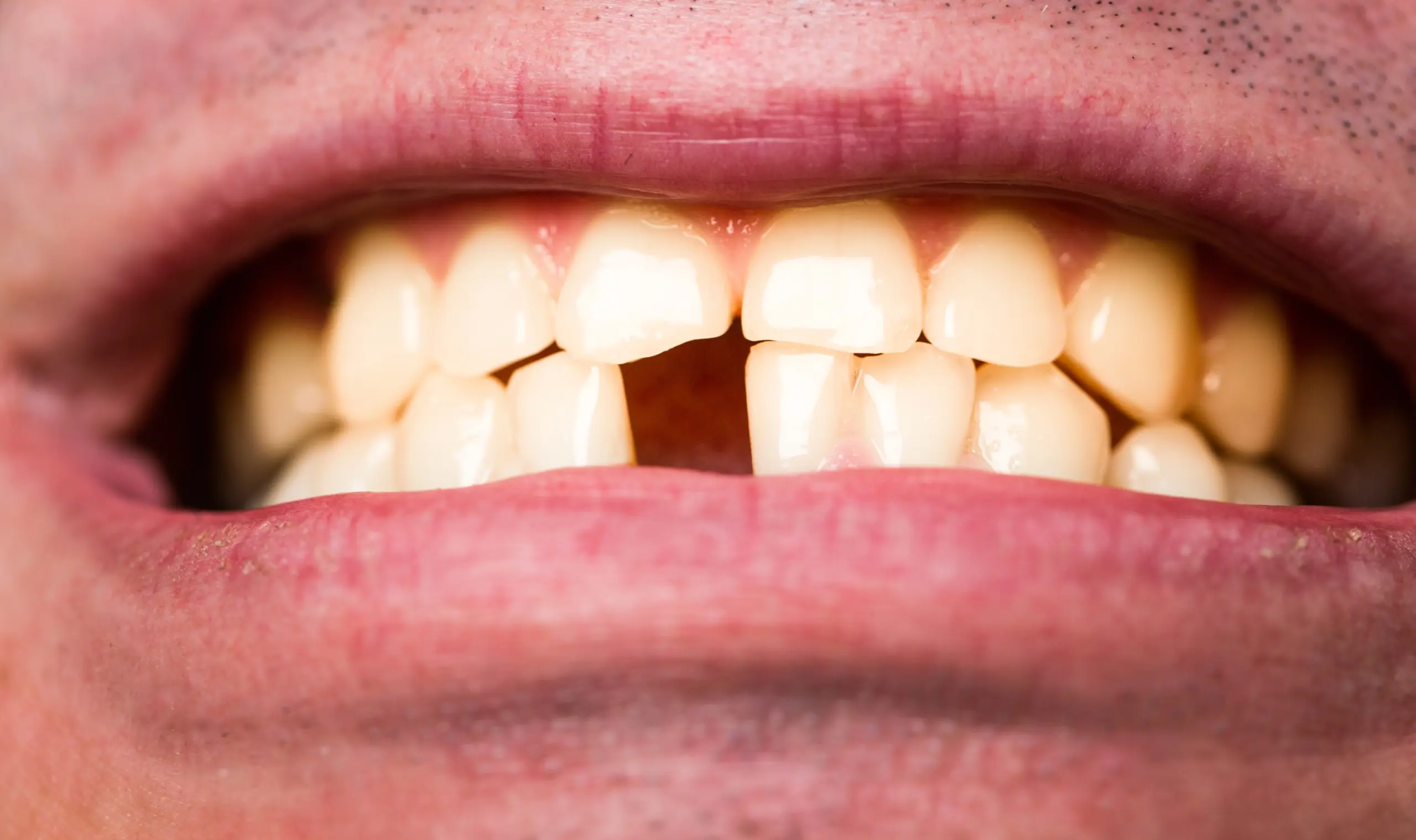
The crown placement process varies depending on the type chosen. All-ceramic crowns can often be completed in a single visit using advanced CEREC technology. The dentist prepares the tooth, removes any decay, and creates digital impressions. A custom crown is then designed and milled to match your natural teeth perfectly. Dental bridges replace missing teeth that may have been lost to severe decay. These prosthetic devices fill gaps in your smile and help maintain proper chewing function.
Making Lifestyle Choices
Your diet plays a major role in preventing tooth decay. Limit sugary and acidic foods and drinks, especially between meals. When you do consume these items, try to eat them with meals rather than as standalone snacks. This reduces the number of acid attacks on your teeth throughout the day.
Drinking plenty of water helps rinse away food particles and bacteria. Water also helps produce saliva, which naturally protects your teeth. Choose water over sugary drinks whenever possible, and rinse your mouth with water after eating sticky or sweet foods.
Regular dental checkups allow your dentist to spot early signs of decay before they become serious problems. Professional cleanings remove hardened plaque that regular brushing cannot eliminate. Your dentist can also apply protective treatments like fluoride or dental sealants when helpful.
Explore Crowns and Bridges
Preventing tooth decay requires consistent daily care and smart lifestyle choices. Brushing, flossing, and limiting sugary foods form the foundation of good oral health. When decay does occur, modern dental treatments like crowns and bridges can restore your smile’s function and appearance. These dental restoration options help protect damaged teeth and replace missing ones effectively. Contact a trusted dental specialist near you to schedule a dental consultation and explore how crowns and bridges may benefit your oral health.
Social Sharing
Your Content Goes Here
Latest Posts