
If you have searched for how to starve bad gut bacteria, you have probably seen advice about cutting sugar, taking probiotics, doing a gut cleanse, or following a very restrictive diet. The problem is that the gut microbiome is much more complicated than simply having “good” bacteria and “bad” bacteria.
Your digestive tract contains a large community of microorganisms, including bacteria, fungi, and other microbes. Many of these organisms are helpful or harmless, while some can become problematic when the balance of the microbial community changes. Diet, medications, illness, lifestyle, and other factors can influence this community.
For that reason, the goal should usually not be to completely eliminate or “starve” every bacterium considered bad. A better approach is to create a gut environment that supports a diverse and balanced microbiome while reducing dietary patterns that may encourage unwanted microbial activity.
This guide explains how to starve bad gut bacteria in a safer and more realistic way. It covers foods that support beneficial microbes, the role of fiber and prebiotics, sugar and highly processed foods, probiotics, fermented foods, hydration, common mistakes, and when digestive symptoms deserve medical attention.
What Does “Starve Bad Gut Bacteria” Actually Mean?
The phrase “starve bad gut bacteria” is popular online, but it can be misleading.
Bacteria in the digestive tract need nutrients to survive. What you eat can change which microorganisms have access to particular nutrients and how those microbes behave. However, food does not simply switch individual bacteria on or off like a light.
The gut microbiome is an ecosystem. Changing one part of that ecosystem can affect many other organisms.
Instead of trying to starve all unwanted bacteria, a more useful goal is to support a balanced microbial environment. A diet containing adequate fiber and a variety of minimally processed plant foods can provide substrates that many beneficial gut microbes use. Research has found that dietary patterns can change the composition and function of the gut microbiome.
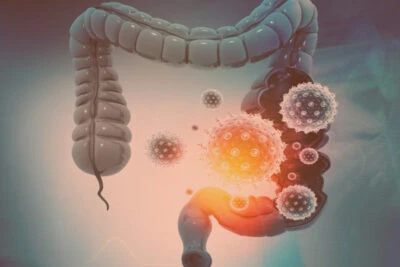
This is an important distinction.
You are not trying to make your digestive tract completely bacteria-free. You are trying to encourage a healthier environment in which beneficial and neutral microorganisms can thrive.
Also read:Can Stomach Ulcers Cause Gas? What the Link Means for Your Gut Health
Can You Really Starve Bad Gut Bacteria With Food?
Food can influence the gut microbiome, but the process is more complicated than simply removing one food.
Different bacteria prefer different nutrients. Some microbes can use carbohydrates and fibers that humans cannot fully digest. Other microorganisms may use different compounds produced during digestion.
This means that changing your diet can change the resources available to different microbes.
However, there is no scientifically proven universal “bad bacteria diet” that selectively starves every harmful bacterium while leaving all beneficial bacteria untouched.
Even fiber does not affect everyone in exactly the same way. An NIH-supported study found that different types of fiber produced different effects in different people, showing that the response depends on factors such as the type and amount of fiber and the individual person’s microbiome.
So the better question is not simply, “How can I starve bad bacteria?”
A more useful question is:
“How can I create dietary conditions that support a healthy and diverse gut microbiome?”
That change in thinking leads to safer and more practical choices.
Why Gut Microbiome Balance Matters
Your gut microbiome is a living community rather than a collection of isolated bacteria.
Microorganisms interact with food components, each other, and your intestinal environment. Some bacteria help break down components of food that human digestive enzymes cannot fully process. Certain microbes also produce substances that can interact with the intestinal lining and other parts of the body.
Research has linked the gut microbiome with digestion, metabolism, immune function, and other aspects of health, although many relationships are still being studied and an association does not automatically prove that a particular bacterium causes a specific health condition.
This is why simply labeling bacteria as “good” or “bad” can oversimplify the science.
A microbe’s effects may depend on its amount, location, interactions with other microbes, available food sources, and the condition of the host.
The practical lesson is simple: focus on the overall environment of your gut rather than trying to eliminate individual organisms at home.
Eat More Fiber to Support Beneficial Gut Bacteria
One of the most useful dietary strategies for supporting the gut microbiome is eating enough dietary fiber.
Fiber is found naturally in foods such as vegetables, fruits, beans, lentils, nuts, seeds, and whole grains.
Humans cannot completely digest many types of fiber. As a result, some fiber reaches the colon, where gut microorganisms can use it.
Research has found associations between higher fiber intake and changes in gut microbial composition, including increases in certain beneficial or potentially beneficial microorganisms.
Good everyday sources include:
- Beans
- Lentils
- Oatmeal
- Apples
- Pears
- Berries
- Broccoli
- Carrots
- Sweet potatoes
- Whole-grain foods
- Nuts
- Seeds
The important point is variety.
Eating one fiber supplement every day is not necessarily the same as eating a wide range of plant foods.
Different fibers can support different microbial activities, so a diverse diet may provide a broader range of resources for the gut ecosystem.
Increase Fiber Slowly Instead of Suddenly
More fiber is not always better if you increase it too quickly.
Someone who normally eats very little fiber and suddenly adds large amounts of beans, bran, vegetables, and fiber supplements may experience gas, bloating, cramps, or changes in bowel movements.
That does not necessarily mean fiber is harmful. It may simply mean that the digestive system needs time to adjust.
An NIH-supported study found that different fiber supplements produced different responses among participants, and some people experienced unfavorable effects with certain high-dose fibers.
A practical approach is to increase fiber gradually.
For example, you might add one serving of beans, vegetables, fruit, or whole grains to your regular diet rather than completely changing your eating pattern overnight.
Drinking enough fluid can also help when increasing fiber, particularly when constipation is an issue.
Choose a Variety of Plant Foods
If your goal is to improve your gut environment, variety may be more useful than obsessing over one “superfood.”
Different plants contain different types of fiber, resistant starches, polyphenols, minerals, and other compounds.
You can rotate foods such as:
- Oats
- Barley
- Beans
- Lentils
- Chickpeas
- Leafy greens
- Broccoli
- Cabbage
- Carrots
- Berries
- Apples
- Citrus fruits
- Nuts
- Seeds
This does not mean you need to eat every food on the list every day.
The goal is to build variety over time.
A broader range of plant foods can provide different substrates to the microbiome, rather than repeatedly feeding your gut with exactly the same foods.
This is one reason a generally diverse, minimally processed eating pattern may make more sense than a highly restrictive “bad bacteria cleanse.”
Cut Back on Highly Processed Foods
You do not have to eliminate every packaged food to support gut health.
However, making highly processed foods a smaller part of your diet can be a sensible strategy.
Many highly processed foods contain combinations of refined carbohydrates, added sugars, excess sodium, saturated fats, and other ingredients while providing relatively little naturally occurring fiber.
Replacing some of these foods with minimally processed alternatives can improve the overall nutritional quality of the diet and increase fiber intake.
Research on diet and the gut microbiome shows that dietary patterns and food composition can influence microbial communities. A controlled human study found that a diet designed to provide more fiber and other dietary substrates to the microbiome changed microbial composition and function compared with a more Western-style diet.
The important idea is replacement rather than punishment.
Instead of thinking, “I can never eat processed food,” think, “What nutritious food can I add or substitute here?”
That approach is usually easier to maintain.
Should You Stop Eating Sugar to Starve Bad Gut Bacteria?
Reducing excessive added sugar can be a reasonable part of a healthy diet, but the idea that sugar directly “feeds bad bacteria” and that removing all sugar will eliminate them is too simplistic.
Sugar is digested and absorbed in the upper parts of the digestive tract, while different microorganisms in the colon have access to different food components.
More importantly, fruit contains naturally occurring sugars along with fiber, water, vitamins, minerals, and plant compounds.
There is therefore a major difference between eating an apple and drinking a sugary beverage.
If you want to reduce added sugar, focus first on foods and drinks that provide large amounts of added sugar without much fiber or nutritional value.
Examples include:
- Sugary soft drinks
- Sweetened energy drinks
- Many desserts
- Candy
- Sweetened coffee drinks
- Some highly sweetened breakfast products
You do not need to fear every carbohydrate to support a healthy microbiome.
Don’t Eliminate All Carbohydrates
A common mistake in “starve bad bacteria” diets is treating all carbohydrates as harmful.
That approach can unnecessarily remove many nutritious foods.
Beans, lentils, oats, fruits, vegetables, and whole grains contain carbohydrates, but they also provide fiber and other nutrients.
The gut microbiome interacts strongly with dietary carbohydrates and fibers, and research shows that the effects can depend on the type and source of carbohydrate rather than simply whether a food contains carbohydrates.
So instead of eliminating carbohydrates, choose more nutrient-dense carbohydrate sources.
A plate containing vegetables, beans, whole grains, and a protein source is very different from a diet dominated by refined snacks and sugary drinks.
What Are Prebiotics and Why Do They Matter?
Prebiotics are substances that can be used by microorganisms in ways that may provide health benefits.
Many prebiotics are types of nondigestible carbohydrates or fibers.
They are different from probiotics.
A probiotic is a live microorganism that is intended to provide a health benefit. A prebiotic is a substance that can support certain microorganisms already present in the body.
Prebiotic-rich foods can include foods such as:
- Onions
- Garlic
- Leeks
- Asparagus
- Beans
- Lentils
- Oats
- Certain whole grains
- Some fruits and vegetables
However, prebiotic foods can also cause gas or bloating in some people.
This is especially relevant for people with sensitive digestive systems.
You do not need to consume huge amounts of prebiotic foods to benefit from a healthy diet.
Start with foods you tolerate and increase variety gradually.
Are Probiotics Helpful for Bad Gut Bacteria?
Probiotics receive a great deal of attention, but they are not a universal solution.
Probiotics are live microorganisms intended to provide health benefits. Different products contain different organisms and strains, and their effects are not interchangeable.
This means that buying a probiotic simply because the bottle says “gut health” does not guarantee that it will solve your particular problem.
Evidence for probiotics varies depending on the strain, health condition, dose, and outcome being studied. For example, NCCIH notes that evidence for probiotics in irritable bowel syndrome is mixed and that not all probiotics produce the same effects.
Therefore, probiotics should not automatically be treated as a way to “kill bad bacteria.”
They may have specific uses, but choosing the right product depends on the reason you are taking it.
Should You Eat Fermented Foods?
Fermented foods can be part of a healthy diet.
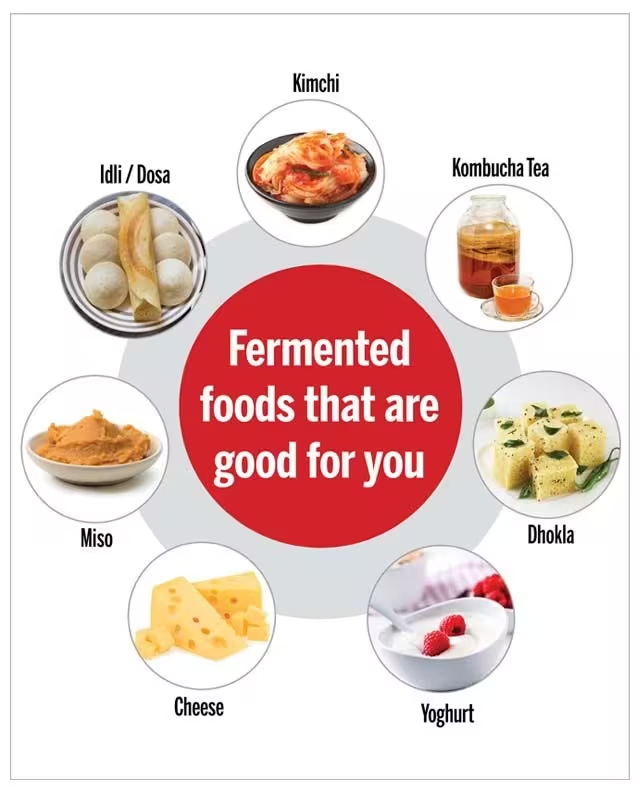
Examples include:
- Yogurt with live cultures
- Kefir
- Sauerkraut
- Kimchi
- Some fermented vegetables
However, fermented foods should not be viewed as a magic treatment for harmful gut bacteria.
Also read:Are Eggs Good for Gut Health? A Complete Guide to How Eggs Affect Your Digestive System
Their nutritional value depends on the specific food, preparation method, and amount consumed.
For example, some fermented products may contain substantial amounts of added sugar or sodium. Reading the nutrition label can help you choose options that fit your overall diet.
If dairy foods cause you digestive symptoms, lactose-free yogurt or another suitable option may be easier to tolerate.
The broader strategy is more important than any single fermented food: eat a varied diet that provides fiber and other nutrients.
Drink Enough Water
Hydration does not directly “starve” harmful bacteria.
However, adequate fluid intake supports normal digestion and bowel function.
Water works with dietary fiber to help keep stool softer and easier to pass. If you increase fiber while not drinking enough fluids, you may experience constipation or discomfort.
Your fluid needs vary depending on factors such as body size, activity level, climate, diet, and health status.
Rather than following a rigid water number from social media, pay attention to your body’s needs and follow medical advice if you have a condition that requires fluid restriction.
Hydration should be viewed as part of normal digestive care, not as a bacterial cleanse.
Get Enough Protein Without Ignoring Plant Foods
Protein is important for maintaining muscles, enzymes, hormones, immune functions, and other body structures.
But a gut-friendly eating pattern does not have to mean choosing between protein and plants.
You can combine protein-rich foods with fiber-rich foods.
For example:
- Beans with brown rice and vegetables
- Lentils with whole grains
- Greek yogurt with berries and nuts
- Fish with vegetables and whole grains
- Chicken with roasted vegetables and beans
This creates meals that provide protein while also supplying plant-based fiber.
The goal is balance rather than extreme restriction.
Don’t Rely on “Gut Detox” Products
Many products marketed as gut cleanses claim to remove harmful bacteria, toxins, or waste.
These claims often sound convincing because they use scientific terms such as microbiome, toxins, cleanse, detox, and digestive reset.
But a supplement marketed as a cleanse is not automatically supported by strong clinical evidence.
Your digestive system already has mechanisms for processing food and eliminating waste.
Taking large amounts of laxatives, herbal mixtures, or unproven supplements can cause diarrhea, dehydration, electrolyte problems, or other unwanted effects.
If a product promises to “flush out bad bacteria” in a few days, be cautious.
A sustainable dietary pattern is generally a more reasonable approach than repeatedly trying to reset your digestive system.
Why Extreme Fasting Is Not the Answer
Some online plans claim that fasting can starve harmful bacteria.
The problem is that extreme fasting can also deprive the body of needed energy and nutrients.
The gut microbiome is part of your body, not an independent organism that can simply be switched off by refusing food.
Fasting may be appropriate for some people in certain contexts, but prolonged or extreme fasting should not be used as a DIY treatment for suspected gut infections or microbiome problems.
If you have persistent digestive symptoms, identifying the actual cause is more useful than assuming you need to starve your microbiome.
What Foods Should You Limit for Better Gut Health?
There is no universal list of foods that must be eliminated to “starve bad bacteria.”
However, many people can improve their overall diet by limiting excessive amounts of:
- Sugar-sweetened beverages
- Highly refined snack foods
- Highly processed meals
- Excessive alcohol
- Foods very high in added sugars
- Large amounts of foods that personally trigger digestive symptoms
The key word is excessive.
A healthy diet does not have to be perfect.
If most of your meals contain nutritious foods, occasional treats do not automatically destroy your gut microbiome.
This balanced approach is also more realistic for long-term health.
Can Garlic Kill Bad Gut Bacteria?
Garlic is often promoted as a natural antibacterial food.
Garlic contains bioactive compounds that have antimicrobial activity in laboratory settings. However, laboratory effects do not automatically mean that eating garlic will selectively eliminate harmful bacteria inside a person’s digestive tract.
Garlic can still be a nutritious part of a balanced diet.
It can add flavor while contributing plant compounds and, depending on the preparation, some prebiotic carbohydrates.
Use it as food rather than treating it as an antibiotic.
Can Apple Cider Vinegar Starve Bad Gut Bacteria?
Apple cider vinegar is another popular internet remedy.
There is not enough evidence to conclude that drinking apple cider vinegar selectively starves harmful gut bacteria in humans.
Large amounts can also cause irritation and other problems.
If you enjoy vinegar in salad dressings or meals, that is different from drinking concentrated vinegar as a “gut cleanse.”
You do not need apple cider vinegar to build a healthy microbiome.
What About Coconut Oil and Other “Antibacterial” Foods?
Many foods are promoted online because they contain compounds that show antimicrobial effects in laboratory research.
But the digestive tract is not a laboratory dish.
A substance that inhibits a microorganism under controlled laboratory conditions may behave differently after being eaten, digested, absorbed, or transformed by other microbes.
Therefore, it is risky to assume that a food will selectively kill harmful bacteria inside your gut.
Whole dietary patterns have more practical value than chasing individual “antibacterial” foods.
How Long Does It Take to Change Gut Bacteria?
There is no single timeline.
The gut microbiome can respond to changes in diet, but the speed and degree of change can vary from person to person.
Some research has demonstrated measurable microbiome changes during relatively short dietary interventions. For example, a controlled human study reported microbiome and metabolic changes after approximately three weeks of a diet designed to provide more dietary substrates to gut microbes.
However, that does not mean you can completely rebuild your microbiome in three weeks.
Also read:What Causes Bubble Gut? Common Causes, Symptoms, Bodybuilding Connections, and What to Do
Long-term habits matter.
Your existing microbiome, diet, medications, age, health status, environment, and other factors can all influence the response.
Think of gut health as an ongoing process rather than a seven-day challenge.
Why Individual Responses to Fiber Can Be Different
One of the most useful insights from current microbiome research is that people do not respond to dietary changes identically.
An NIH-funded study examining different fiber supplements found that the effects depended on the type of fiber and the individual. Some fibers increased particular beneficial bacteria, while responses differed among participants.
This helps explain why one person may feel better after increasing fiber while another person experiences more bloating.
It does not necessarily mean one person is doing something wrong.
Your digestive system has its own history and microbial ecosystem.
For this reason, gradual changes and attention to your symptoms can be more useful than copying an extreme diet from someone online.
What If High-Fiber Foods Make You Feel Worse?
Do not assume that more fiber is always the immediate answer.
If beans, onions, garlic, certain fruits, or other high-fiber foods cause severe bloating or discomfort, you may need to adjust the type and amount of fiber rather than abandoning fiber altogether.
Some people with gastrointestinal conditions are advised by healthcare professionals to temporarily modify certain fermentable carbohydrates, such as during a structured low-FODMAP approach.
A low-FODMAP diet can reduce symptoms for some people with IBS, but it is not designed simply to kill bad bacteria. It is also not usually meant to be followed as an unnecessarily restrictive lifelong diet.
NCCIH notes that evidence concerning prebiotics and IBS is mixed, and some prebiotics can actually increase gas in sensitive individuals.
If digestive symptoms are persistent, professional guidance can help identify the right approach.
Should You Take Antibiotics to Kill Bad Gut Bacteria?
No. Antibiotics should not be used simply because you suspect that your gut contains too many “bad bacteria.”
Antibiotics are medications used for specific bacterial infections and should be taken when medically appropriate.
They can also change the gut microbiome. Research has shown that antibiotic use can alter microbial communities and can influence nutrient absorption and other aspects of microbiome function.
If you have a diagnosed bacterial infection, follow your healthcare professional’s treatment plan.
Do not attempt to replace prescribed antibiotics with garlic, vinegar, probiotics, fasting, or another home remedy.
How Can You Support Gut Health After Antibiotics?
If you have recently taken antibiotics, your gut microbiome may have changed.
The best approach is generally not to immediately take dozens of supplements.
Instead, focus on a nutritious eating pattern that you tolerate well.
This may include:
- Vegetables
- Fruits
- Whole grains
- Beans and lentils
- Nuts and seeds
- Adequate protein
- Fermented foods if tolerated
- Adequate fluids
Some probiotics have specific evidence for certain antibiotic-related situations, but benefits depend on the microorganism and the condition. Probiotics are not all the same.
If you have a weakened immune system or serious underlying illness, ask your healthcare professional before taking probiotic supplements because they are not appropriate for everyone.
A Simple Daily Eating Pattern for a Healthier Gut
You do not need a complicated meal plan to support a healthier gut. A balanced day can include a mix of plant foods, fiber, protein, and minimally processed ingredients. For breakfast, you might have oatmeal with berries, nuts, or seeds. Lunch could be a bean or lentil bowl with vegetables and a whole grain, while a simple snack such as fruit with plain yogurt may work well if you tolerate dairy. For dinner, you could choose fish, chicken, tofu, or another protein source along with vegetables and whole grains or legumes. Water can be your main beverage throughout the day. These exact foods are not required, because there are many ways to build a nutritious eating pattern. What matters most is getting a good variety of nourishing foods rather than trying to completely remove bacteria from your gut. This balanced approach is more practical and sustainable than eating very little in an attempt to “starve” bad gut bacteria.
Common Mistakes When Trying to Starve Bad Gut Bacteria
Many people make their gut health routine more restrictive than it needs to be. One common mistake is trying to eliminate all bacteria, even though the body needs a diverse community of microorganisms to support normal gut function. Another mistake is cutting out all carbohydrates, which can also mean losing important sources of dietary fiber found in foods such as fruits, vegetables, beans, lentils, and whole grains. Taking large numbers of supplements is another common problem, because more supplements do not automatically lead to better gut health. Increasing fiber too quickly can also cause temporary gas, bloating, or other digestive discomfort, so it is often better to increase fiber gradually. It is also important not to assume that every digestive symptom is caused by “bad” bacteria, since symptoms such as gas, bloating, diarrhea, constipation, and abdominal pain can have many different causes. Finally, following a highly restrictive diet for a long time without professional guidance may make it harder to get enough essential nutrients. A healthier approach is to choose a balanced eating pattern that provides adequate nutrition and can realistically be followed over time.
When Should You Talk to a Doctor About Gut Symptoms?
Do not assume persistent digestive symptoms are caused by “bad gut bacteria.”
Symptoms can have many causes, including food intolerances, medication effects, infections, IBS, inflammatory bowel disease, celiac disease, and other gastrointestinal conditions.
Seek medical advice if symptoms are persistent, severe, worsening, or interfering with normal activities.
Prompt medical evaluation is especially important for symptoms such as unexplained weight loss, blood in the stool, persistent vomiting, severe abdominal pain, dehydration, fever with significant gastrointestinal symptoms, or major changes in bowel habits.
A healthcare professional can determine whether testing or treatment is needed.
This is much safer than trying multiple internet cleanses until something seems to work.
The Best Long-Term Strategy for a Healthy Gut
A healthy gut is usually supported by consistent habits rather than a short cleanse or a strict diet. Try to eat a variety of fiber-rich foods, including vegetables, fruits, beans, lentils, whole grains, nuts, and seeds. Choose minimally processed foods more often and keep foods high in added sugar and highly processed snacks as occasional choices. Staying hydrated, getting regular physical activity, and sleeping well can also support overall digestive health. Antibiotics should only be used when they are medically needed, since they can affect the gut microbiome. Most importantly, avoid chasing one food, supplement, or detox product that promises to remove all “bad” bacteria. A balanced eating pattern is a more practical way to support your gut over time.
The Bottom Line on How to Starve Bad Gut Bacteria
The phrase “how to starve bad gut bacteria” makes the process sound much simpler than it really is.
There is no proven food or home remedy that can selectively starve every harmful bacterium while protecting every beneficial microorganism.
A better strategy is to support a balanced gut ecosystem. For most people, that means eating a varied diet with adequate fiber, vegetables, fruits, whole grains, beans, nuts, and seeds while limiting excessive added sugar and highly processed foods. Different types of fiber can affect different people differently, so gradual changes are often more practical than suddenly consuming very large amounts.
Probiotics and fermented foods may have a place in some diets, but they are not universal cures. Antibiotics should only be used when medically appropriate, and extreme cleanses or fasting should not replace proper medical care.
Most importantly, persistent digestive symptoms should not automatically be blamed on “bad bacteria.” Finding the actual cause is more useful than trying to destroy an entire microbial community.
Final Thoughts
Learning how to starve bad gut bacteria is less about trying to destroy specific bacteria and more about creating a gut environment that supports a healthy microbial balance. A varied diet with plenty of fiber-rich plant foods, adequate protein, whole grains, fruits, vegetables, legumes, and minimally processed foods can help support overall gut health. It is also important to increase fiber gradually, drink enough water, stay physically active, and avoid unnecessary restrictive diets or supplements. If you have ongoing digestive problems, do not assume that harmful gut bacteria are the cause. Persistent or severe symptoms deserve proper medical evaluation so the underlying cause can be identified. Instead of looking for a quick way to eliminate “bad” bacteria, focus on sustainable daily habits that support your digestive system and overall health.
Frequently Asked Questions
Can drinking more water kill bad gut bacteria?
No. Water does not selectively kill harmful gut bacteria. However, adequate hydration supports normal digestion and bowel function, especially when you increase dietary fiber.
Does skipping meals starve harmful bacteria?
Not in a simple or reliable way. Your gut microbiome is a complex ecosystem, and prolonged food restriction can also reduce the nutrients your body needs. Extreme fasting should not be used as a treatment for suspected gut bacteria problems.
Is yogurt enough to fix an unhealthy gut microbiome?
No single food can guarantee that outcome. Yogurt containing live cultures can be part of a nutritious diet, but probiotic effects depend on the specific microorganisms and the individual.
Can a stool test tell me which bad bacteria I need to eliminate?
A stool microbiome test does not automatically tell you which bacteria are causing your symptoms or which bacteria should be removed. Test results need to be interpreted in the context of your symptoms and medical history.
Can gut bacteria come back after changing your diet?
Yes. The gut microbiome is dynamic and can respond to changes in diet and other factors. A healthy eating pattern is therefore better viewed as an ongoing habit rather than a one-time cleanse. Research has demonstrated that dietary interventions can produce measurable microbiome changes, although individual responses vary.