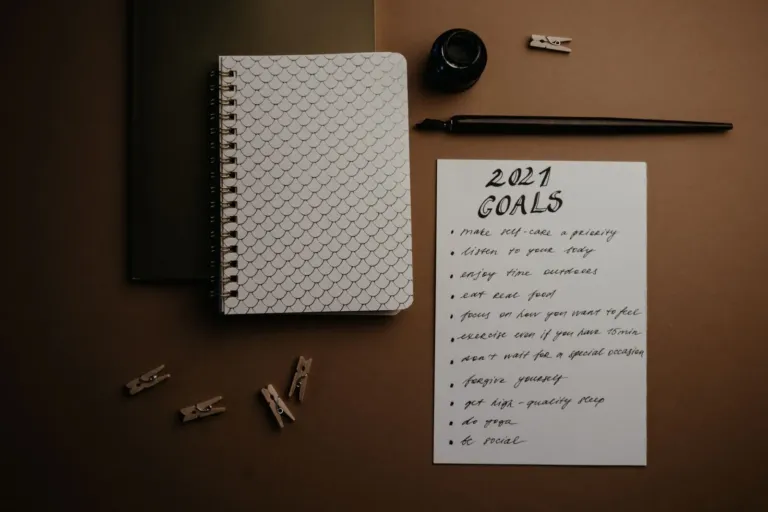
Positive thinking habits are small, repeatable mental routines, such as catching negative self-talk, reframing setbacks and noticing what went well, that gradually shift how you interpret everyday events. They are not about ignoring problems. They help you see situations more fairly, which can make your mood steadier and your choices clearer.
This GoodMoodDotCom.com guide walks through practical habits you can start today, how to tell healthy optimism from forced positivity, and when it is wise to seek extra support.
Key Takeaways
- Positive thinking means balanced, realistic thinking, not denying difficult feelings.
- Catching and questioning negative thoughts is a learnable skill.
- Small daily habits, like noting three good things, build a more hopeful outlook over time.
- Connection, movement and kindness support a positive mindset as much as self-talk does.
What Positive Thinking Is (and Isn’t)
Positive thinking is the practice of approaching life’s ups and downs with a constructive, hopeful mindset. It means asking, “What can I learn or do here?” rather than assuming the worst.
It is not “toxic positivity,” which pressures people to feel happy all the time. Sadness, anger and worry are normal human emotions. Healthy positive thinking makes room for them while refusing to let them write the whole story.
Positive Thinking Habits to Build
The habits below are simple, but they work best when practiced regularly. Choose two or three to start with rather than trying all of them at once.
1. Catch and Question Negative Thoughts
Start by noticing automatic thoughts like “I always mess things up.” Then ask: Is this completely true? What would I tell a friend who said this? Is there another explanation?
The National Institute of Mental Health lists identifying and challenging unhelpful thoughts among practical ways to cope with stress in its fact sheet “I’m So Stressed Out!”. Questioning a thought does not mean replacing it with something unrealistic, just something fairer.
2. Reframe Setbacks
When something goes wrong, try describing it in a more balanced way. “I failed the presentation” can become “The presentation didn’t go as planned, and now I know what to prepare differently.”
Harvard Health includes reframing setbacks among the mindset habits that can help build resilience, alongside noting good things each day. Reframing is also a core skill when you want to build emotional resilience.
3. Note What Went Well
Each evening, write down three things that went well. This trains your attention to register good moments that might otherwise pass unnoticed. Our guide on how to practice gratitude daily shows several easy ways to do this.
4. Talk to Yourself Like a Friend
Many people speak to themselves far more harshly than they would ever speak to someone they care about. Try swapping “I’m so stupid” for “That was a mistake, and I can fix it.”
Kinder self-talk is closely linked to confidence. If self-doubt is a recurring theme for you, you may find our article on how to build self-confidence helpful.
5. Spend Time With Supportive People
The people around you influence your outlook. Time with friends who listen and encourage you tends to make hopeful thinking easier. Building close relationships is one of the NHS five steps to mental wellbeing.
6. Move Your Body and Find Humor
Physical activity and laughter both give your mind a break from rumination. A short walk, a stretch or a funny video can interrupt a spiral of negative thinking and make it easier to see things clearly again.
7. Do Something Kind
Helping others shifts attention away from your own worries and reminds you that you can make a positive difference. Small acts count: holding a door, sending an encouraging message or offering to help a colleague.
Negative Thoughts vs. Balanced Alternatives
Use this table as a quick reference when you notice a familiar negative pattern. The goal is a realistic alternative, not a forced cheerful one.
| Thinking Pattern | Example Thought | Balanced Alternative |
|---|---|---|
| All-or-nothing | “If it’s not perfect, it’s a failure.” | “Good enough is still progress.” |
| Catastrophizing | “This mistake will ruin everything.” | “This is a setback I can work through.” |
| Mind reading | “They think I’m annoying.” | “I don’t know what they think; I could ask.” |
| Overgeneralizing | “I never get anything right.” | “I got this wrong, but I’ve done well before.” |
| Discounting positives | “That compliment didn’t mean anything.” | “Someone noticed my effort, and that counts.” |
How to Make These Habits Stick
Habits form through repetition, so make them easy to repeat. These strategies can help:
- Start tiny. One reframed thought a day is a real win.
- Use reminders. A phone note or sticky note can prompt you to check in with your thinking.
- Stack habits. Pair a new habit with an existing one, like reflecting during your commute.
- Track progress. A simple checklist shows how far you’ve come.
- Be patient. Old thinking patterns took years to form, so expect gradual change.
At GoodMoodDotCom.com, we find it helps to think of these habits as practice rather than performance. Missing a day is not failure; it is simply a reason to start again tomorrow. You can find more articles like this in our positivity category.
When to Seek Extra Support
Positive thinking habits are helpful, but they are not a substitute for professional care. If negative thoughts feel constant, overwhelming or are affecting your sleep, work or relationships, please speak with a doctor or qualified mental health professional. Our mental health section also covers related topics. In a crisis in the US, call or text 988; elsewhere, contact local emergency services.
FAQ
Does positive thinking mean ignoring problems?
No. Healthy positive thinking means looking at problems realistically and focusing on what you can influence. It accepts that difficult emotions are normal and valid. The aim is to avoid assuming the worst automatically, not to pretend everything is fine when it isn’t. Balanced thinking often makes problem-solving easier, not harder.
How long does it take to build positive thinking habits?
It varies from person to person, and there is no fixed timeline. Many people notice small shifts after a few weeks of regular practice, while deeper changes in thinking patterns take longer. Focus on consistency rather than speed, and celebrate small wins like catching a negative thought before it spirals.
What is the easiest positive thinking habit to start with?
Writing down three things that went well each evening is one of the easiest places to begin. It takes only a few minutes, needs nothing but a notebook or phone, and gently trains your attention toward good moments. Once it feels routine, add another habit, such as questioning one negative thought per day.
Can positive thinking help with stress?
Balanced thinking can make stress feel more manageable, because it helps you see situations more clearly and focus on actions you can take. It works best alongside healthy sleep, movement and social support. If stress feels overwhelming or persistent, talking with a qualified professional is an important next step.
Final Thoughts
Positive thinking habits are built slowly through small, everyday choices: questioning harsh thoughts, reframing setbacks, noticing good moments and leaning on supportive people. Start with one or two, practice them kindly, and let them grow. For more practical ideas, visit GoodMoodDotCom.com.