The simplest way to practice gratitude daily is to pick one small, repeatable habit, such as writing down three good things each evening, and tie it to something you already do. Keep it short, specific and honest. Consistency matters far more than length, and a two-minute ritual you actually keep beats an ambitious plan you drop after a week.
In this guide from GoodMoodDotCom.com, you will find practical gratitude methods, a simple weekly plan, and answers to the most common questions about making the habit stick.
Key Takeaways
- Gratitude works best as a short daily habit linked to an existing routine.
- Specific entries (“my neighbor helped carry groceries”) beat vague ones (“my life”).
- Expressing thanks to other people can strengthen relationships.
- Gratitude complements, but does not replace, professional support for persistent low mood.
What Gratitude Really Means
Gratitude is the habit of noticing what is good in your life and recognizing where it comes from, whether that is another person, nature or simple luck. It is not about pretending problems do not exist. It is about widening your attention so the good gets noticed too.
Research summarized by Harvard Health Publishing notes that gratitude is strongly and consistently associated with greater happiness. The same article points out that most of this research shows association rather than proof of cause and effect, so treat gratitude as one helpful tool rather than a cure-all.
Why a Daily Practice Helps
Our brains tend to notice threats and problems faster than pleasant moments. A daily gratitude practice gently counterbalances that tendency by training you to scan for what is going right.
Doing it every day also turns gratitude from an occasional feeling into a skill. Small repetitions build familiarity, and over time noticing good things can start to feel more automatic. This pairs naturally with other positive thinking habits that help you reframe ordinary days.
Simple Ways to Practice Gratitude Daily
There is no single correct method. Try a few of the options below and keep whichever feels natural. You can browse more ideas in our positivity articles.
1. Write Three Good Things
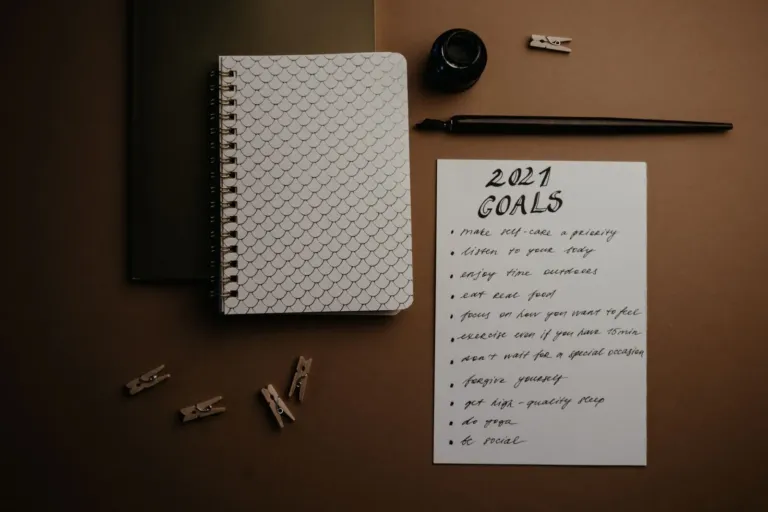
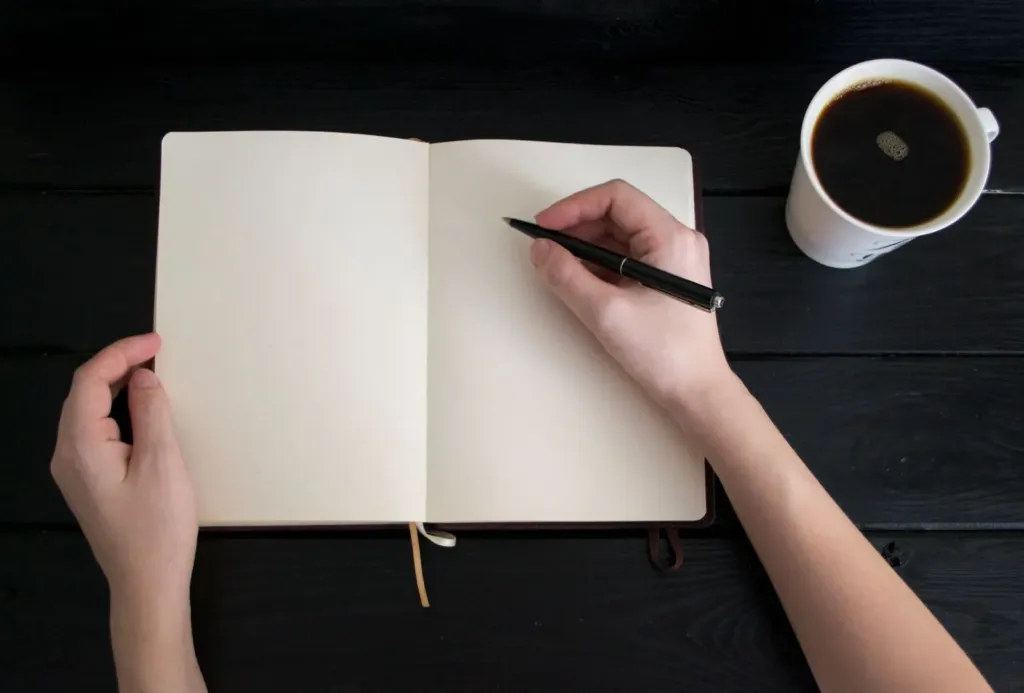
Each evening, write down three things that went well and why they happened. Be concrete. “The coffee shop barista remembered my order” is more powerful than “people are nice.”
Harvard Health describes a study in which people who wrote weekly about things they were grateful for felt more optimistic and better about their lives than those who wrote about irritations.
2. Send a Thank-You Message
Once a week, send a short message thanking someone for something specific they did. It can be a text, an email or a handwritten note. The goal is sincerity, not polish.
The same Harvard summary describes how writing and personally delivering a gratitude letter produced a large boost in happiness scores in one study, with benefits lasting about a month.
3. Use a Gratitude Anchor
Link gratitude to something you already do. While the kettle boils, while brushing your teeth, or when you sit down for lunch, name one thing you appreciate. This “anchor” approach also fits neatly into a morning routine for mental health.
4. Take a Gratitude Walk
During a short walk, notice things you might normally ignore: the sky, a tree, a friendly dog, the fact that your legs carry you. Mindful attention to your surroundings is one of the core steps in the NHS guide to five steps to mental wellbeing.
5. Share Gratitude at Meals
If you live with family or friends, invite everyone to share one good moment from their day at dinner. It takes two minutes and builds connection, which matters for emotional health too.
Choosing the Right Method for You
Different methods suit different personalities and schedules. At GoodMoodDotCom.com, we suggest starting with just one method and adding another only once the first feels easy. Use this comparison to pick a starting point.
| Method | Time Needed | Best For | Tip |
|---|---|---|---|
| Three good things journal | 3–5 minutes | Reflective people who like writing | Add “why it happened” to each entry |
| Thank-you message | 5 minutes, weekly | Strengthening relationships | Mention one specific action |
| Gratitude anchor | Under 1 minute | Busy schedules | Pair with a habit you never skip |
| Gratitude walk | 10–20 minutes | People who think best while moving | Leave your phone in your pocket |
| Mealtime sharing | 2 minutes | Families and housemates | Let everyone pass if they want |
A Simple 7-Day Starter Plan
If you want structure, follow this one-week plan and then keep the parts you enjoy.
- Day 1: Write three good things before bed.
- Day 2: Repeat, and add why each one happened.
- Day 3: Choose a gratitude anchor and use it once.
- Day 4: Send one specific thank-you message.
- Day 5: Take a 10-minute gratitude walk.
- Day 6: Notice one thing you appreciate about yourself.
- Day 7: Reread your week and note any patterns.
Common Mistakes to Avoid
Gratitude can feel forced if you approach it the wrong way. Watch out for these pitfalls:
- Repeating the same entries. Writing “family, health, home” every night can become automatic and lose meaning. Look for new details.
- Using gratitude to dismiss pain. You can feel grateful and sad at the same time. Gratitude should sit alongside difficult feelings, not silence them.
- Making it a chore. If daily writing feels heavy, switch to a lighter method for a while.
- Expecting instant results. Treat it like exercise: the benefits build gradually.
Gratitude also works well alongside other well-being tools. If daily pressure is weighing on you, our guide on how to manage stress naturally offers complementary strategies, and the emotional well-being section covers related topics.
When Gratitude Is Not Enough
Gratitude is a supportive habit, not a treatment for depression or anxiety. If low mood, hopelessness or worry is severe or lasts for weeks, please talk to a doctor or qualified mental health professional. In a crisis in the US, call or text 988; elsewhere, contact your local emergency services.
FAQ
How long should I practice gratitude each day?
A few minutes is enough for most people. Writing three specific good things or naming one thing you appreciate during an existing routine can take under five minutes. What matters most is doing it regularly, because a short habit you keep consistently tends to be more useful than a long session you abandon.
Is it better to write gratitude down or just think about it?
Both can help, but writing tends to make reflection more specific and easier to revisit. A journal also lets you look back on good moments during harder weeks. If writing feels like a chore, a quick mental list while walking or brushing your teeth is still a worthwhile way to practice.
What if I don’t feel grateful at all?
That is normal, especially on difficult days. Start very small, such as a warm drink, a comfortable chair or a kind word from someone. You do not need to force a big emotion. If you rarely feel any positive emotions for weeks, consider speaking with a qualified health professional for support.
Can gratitude improve my relationships?
Expressing appreciation often helps relationships, because people feel noticed and valued. Harvard Health describes research in which partners who thanked each other felt more positive about the relationship. Try thanking someone for one specific action this week, and notice how the conversation feels for both of you afterward.
Final Thoughts
To practice gratitude daily, keep it small, specific and tied to a routine you already have. Experiment with journaling, thank-you notes or gratitude walks, then stick with what feels genuine. For more simple, science-informed ideas, explore the wellness guides at GoodMoodDotCom.com.