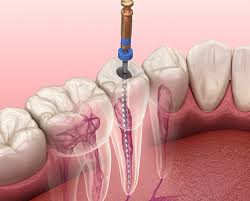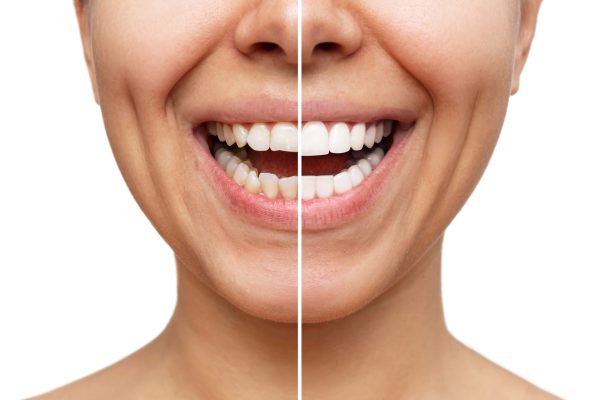


A dentist is a medical professional trained to diagnose, treat, and prevent conditions affecting the teeth, gums, and other parts of the mouth. Their primary role is to help patients maintain oral health through a combination of treatments. Here’s information on dental services and their benefits:
Preventive Services
Preventive dental services help maintain oral health and identify potential issues before they become more complex. Regular dental examinations are a key component of preventive dentistry. During an exam, a dentist visually inspects the teeth, gums, and soft tissues of the mouth to check for any signs of concern. Professional cleanings, often performed by a dental hygienist, remove plaque and tartar buildup that regular brushing and flossing cannot eliminate.
Dental X-rays may be taken to provide a detailed view of the teeth and jawbone, helping to detect issues not visible during a standard exam. Other preventive measures include the application of dental sealants, which are thin protective coatings applied to the chewing surfaces of the back teeth to prevent decay. Fluoride treatments may also be offered to help strengthen tooth enamel and make it more resistant to acid attacks from plaque and sugars. Patient education on proper oral hygiene techniques is another fundamental service.
Restorative Services
When teeth are affected by decay, injury, or wear, restorative procedures can be used to address these issues. Restorative dentistry focuses on repairing or replacing damaged or missing teeth to improve oral function and structure. The goal is to return the tooth to its usual form and function.
Implants
A dental implant is a surgical component that interfaces with the bone of the jaw to support a dental prosthesis such as a crown, bridge, or denture. The process typically involves several stages:
- The implant, which acts as an artificial tooth root, is surgically placed into the jawbone.
- Over several months, the implant integrates with the bone in a process known as osseointegration.
- Once this integration is complete, a connecting piece called an abutment is attached to the implant.
- A custom-made crown is then secured to the abutment, completing the restoration.
Crowns
A dental crown is a tooth-shaped cap that is placed over a damaged or weakened tooth. The goal is to restore the tooth’s shape, size, strength, and appearance. Crowns can be made from various materials, including porcelain, ceramic, metal alloys, or a combination of these. The procedure for placing a crown usually involves two visits.
During the first visit, the tooth is prepared by removing a portion of the enamel to make room for the crown. An impression is taken to create a custom-fit restoration. A temporary crown is placed while the permanent one is being fabricated. At the second visit, the permanent crown is fitted and cemented into place.
Emergency Services
Dental emergencies can involve sudden injury, pain, or other urgent conditions that require prompt attention. Dentists often provide emergency services to address these situations. Common reasons for seeking emergency dental care include:
- A Severe Toothache
- A Broken or Knocked-out Tooth
- A Lost Filling or Crown
- An Abscess
When contacting a dental office for an emergency, patients can expect to describe their symptoms so the team can determine the urgency of the situation. The office will provide instructions on how to manage the condition until an appointment can be scheduled. The objective of emergency care is to address the immediate problem, alleviate discomfort, and prevent further complications.
Schedule an Appointment With a Dentist
A dentist can help you with protecting and maintaining the health of your teeth. If you have questions about preventive care, restorative options, or an urgent dental need, contact a local dentist. Dentists provide information about their specific services and help you discuss your individual needs by creating an appropriate care plan.
- What Is MASH Liver Disease? Symptoms, Causes, Stages, and Treatment
- Can Fatty Liver Disease Symptoms Appear Without Warning?
- Can Ulcers Cause Diarrhea? Causes, Symptoms, Treatment, and When to Get Help
- Does H. pylori Cause GERD? Understanding the Connection Between H. pylori and Acid Reflux
- How Does the Digestive and Circulatory System Work Together? A Simple Guide
Social Sharing
Your Content Goes Here
Latest Posts