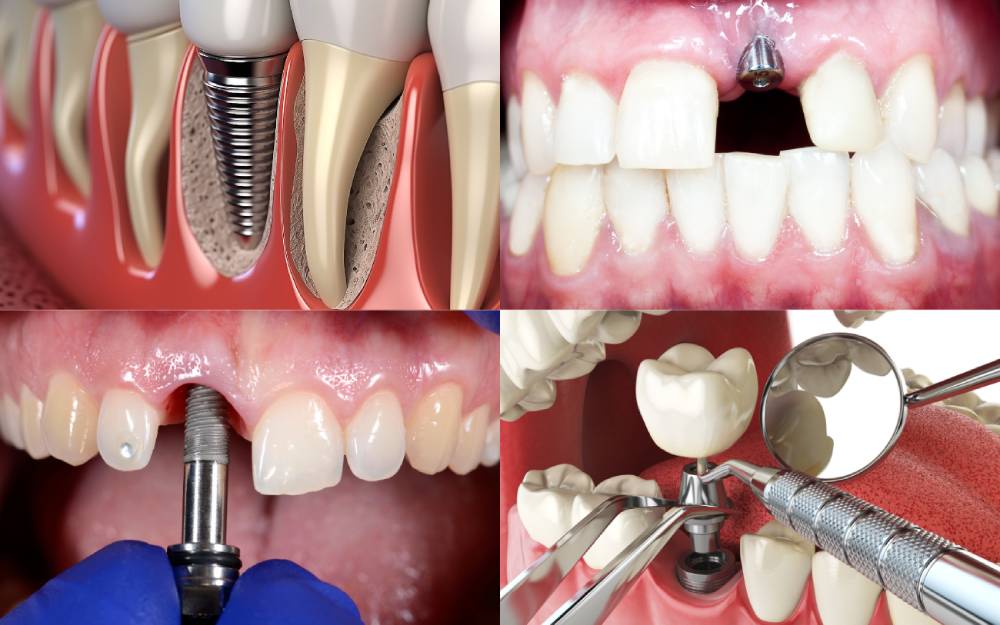

Good oral health means more than a bright smile; it involves maintaining functional teeth, healthy gums, and a stable jawbone structure that supports your facial features. Dental implants are titanium posts that are surgically placed into the jawbone to replace missing tooth roots. They address problems caused by missing teeth, such as bone loss, shifting teeth, and difficulty chewing. Here is more information about the benefits of dental implants:
Understanding Dental Implants
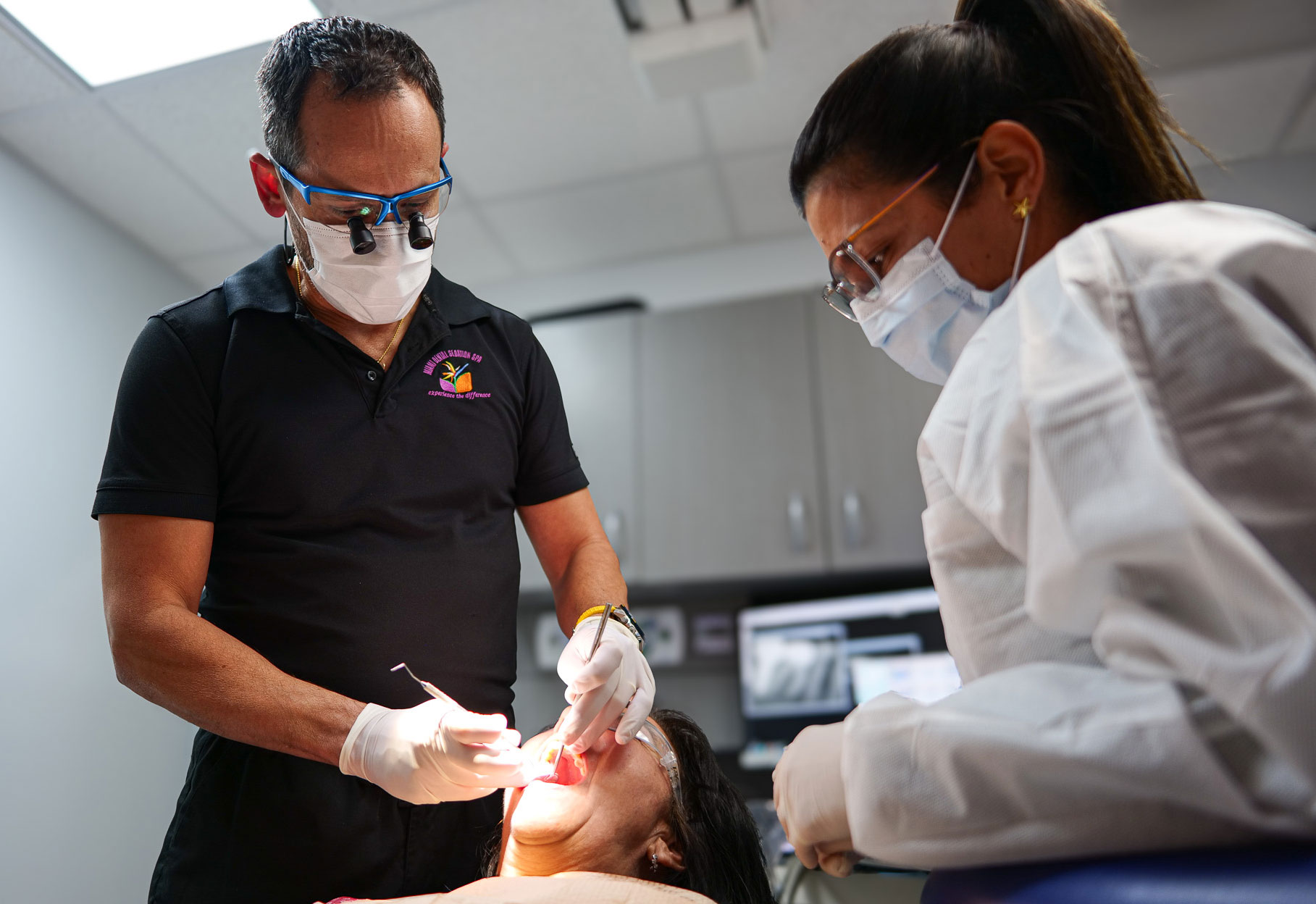
Receiving dental implants typically involves multiple stages over several months. Your dentist first evaluates your jawbone density through X-rays or CT scans, and this helps them to determine if you have sufficient bone to support an implant. If bone loss has occurred, a bone graft may be necessary before proceeding.
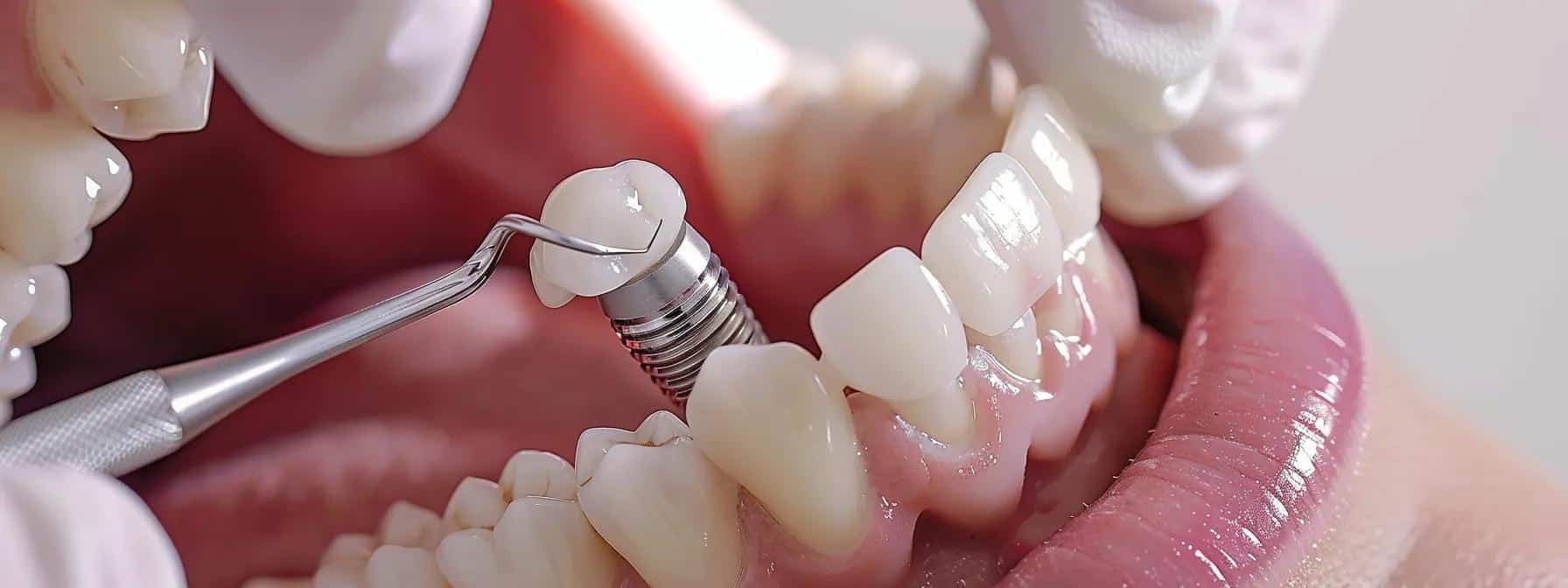
During the surgical phase, the dentist places a titanium post into your jawbone, and this post acts as an artificial root. Over the next three to eight months, your bone grows around and fuses with the implant. Once healing is complete, an abutment is attached to the post, and a custom-made crown is placed on top to complete the restoration.
Reviewing Implant Benefits
Implants help prevent bone loss in the jaw by stimulating nerves in the jaw, similar to natural tooth roots. When you lose a tooth, the surrounding bone may begin to deteriorate without this stimulation. Implants help prevent this deterioration, and they can help to maintain your facial structure.
Adjacent teeth remain stable when implants fill gaps left by missing teeth. Without replacement, neighboring teeth tend to shift into empty spaces, which can cause:
- Bite misalignment
- Increased wear on remaining teeth
- Difficulty cleaning between crooked teeth
- Higher risk of tooth decay and gum disease
Implants also restore full chewing function. You can eat a varied, nutritious diet without discomfort or dietary restrictions that often accompany missing teeth or ill-fitting dentures.
Maintaining Dental Implants
Dental implants require care similar to natural teeth, though the specific techniques may differ slightly. Brush twice daily with a soft-bristled toothbrush, and clean around the implant crown carefully. Flossing once a day is recommended to break up bacterial biofilm on teeth.
Your dentist may recommend special cleaning tools like interdental brushes or water flossers to clean around the implant abutment. Regular professional cleanings every six months allow your dentist to monitor the implant, and they can check the surrounding tissues for any signs of complications. While implants cannot develop cavities, the surrounding gum tissue and adjacent natural teeth may still develop infections if not properly maintained.
Avoiding harmful habits protects your implants. Don’t chew on hard objects like ice or pen caps, and refrain from using your teeth as tools. If you grind your teeth at night, wearing a nightguard can prevent excessive force on the implant.
Identifying Ideal Candidates
Good candidates for implants have healthy gums and adequate jawbone density; a bone graft may be an option if your jaw does not have enough bone density. Your overall health may also play a role in determining candidacy. Conditions like active periodontal disease or cavities may require treatment before implant placement can proceed safely.
Non-smokers generally experience better implant success rates than smokers. Tobacco use can interfere with the osseointegration process and healing after surgery, and it may increase the risk of implant failure. If you smoke, your dentist may recommend cessation programs before proceeding with implants.
Age is typically not a limiting factor for implants. Both younger adults whose jawbones have finished developing and older adults can receive implants successfully, provided they meet the health requirements. Your dentist can assess your individual situation, and they will perform a comprehensive examination and medical history review.
Learn More About Dental Implants
Dental implants provide a long-term solution for missing teeth while supporting your overall oral health; they prevent bone loss, maintain proper tooth alignment, and restore full chewing function. With proper care and maintenance, implants can last many years and significantly improve your quality of life. If you want to learn more about the benefits of dental implants, consult a dentist near you.
- Exploring the Latest Techniques in Aesthetic Dermatology
- The Connection Between Diet and Skin Health in Dermatology
- Evaluating the Success Rates of Different Hair Transplant Methods
- DIY Teeth Whitening Methods vs. Professional Treatments
- The Connection Between Dental Implants and Overall Oral Health
Social Sharing
Your Content Goes Here
Latest Posts