

Ulcerative colitis is a chronic condition that affects the large intestine, and it can significantly impact a person’s quality of life. Understanding this disease is the first step toward managing it effectively. Here is more information on ulcerative colitis, including its causes, symptoms, and available ulcerative colitis treatment options:
What Is Ulcerative Colitis?
Ulcerative colitis is a type of inflammatory bowel disease (IBD) that causes long-lasting inflammation and ulcers in the digestive tract. The condition affects the innermost lining of the large intestine, which includes the colon and the rectum. Inflammation may begin in the rectum and spread continuously to involve parts of the colon or the entire colon.
The severity of ulcerative colitis varies among individuals, with symptoms that may develop over time rather than suddenly. The condition is mild for some, with long periods of remission, while others may experience more frequent and severe flare-ups. Ulcerative colitis treatment often involves long-term medical care, so working with a healthcare provider is a key part of living with the condition.
What Causes It?
An immune system malfunction is a potential cause, and this occurs when the immune system mistakenly attacks the cells of the large intestine. This abnormal immune response leads to the chronic inflammation and tissue damage seen in ulcerative colitis. Genetics plays a role, as the condition is more common in people who have family members with IBD. Certain environmental triggers, including infections, medications, or diet, may also contribute to the development or flare-ups of the disease.
What Are the Symptoms?
Symptoms of ulcerative colitis differ depending on the extent and severity of the inflammation. Common symptoms include persistent diarrhea, which may contain blood or pus, and abdominal pain or cramping. Some individuals may experience an urgent need to have a bowel movement, and sometimes this urgency occurs even when the bowel is empty.
Other symptoms include fatigue, weight loss, and fever, especially during a flare-up. The pattern of symptoms can fluctuate, with periods of remission where they subside, followed by periods of relapse where they become more active. Tracking your symptoms is helpful for your healthcare provider, so they can better understand your condition.
How Is Overall Health Affected?
Ulcerative colitis can affect more than just the digestive system, leading to complications in other parts of the body. Chronic inflammation can increase the risk of developing colon cancer, so regular screenings are often recommended. Anemia is another common issue that results from chronic blood loss in the stool. Managing the underlying inflammation is a primary goal of treatment, which helps reduce the risk of these related health issues.
What Does Ulcerative Colitis Treatment Involve?
Ulcerative colitis treatment aims to reduce the inflammation that causes symptoms, and the goal is to bring about and maintain remission. Treatment plans are tailored to the individual and depend on the severity of the condition. The main approaches include medication, lifestyle adjustments, and surgery.
Medications are the first line of treatment, and these include steroids or anti-inflammatory drugs like aminosalicylates. For more moderate to severe cases, immune system suppressors or biologic therapies that target specific proteins involved in inflammation may be prescribed. If medications are not effective or complications arise, surgery may be an option.
Learn More About Ulcerative Colitis
Ulcerative colitis is a complex condition that requires ongoing management, and understanding its different aspects helps patients find relief. If you are experiencing symptoms or have been diagnosed with ulcerative colitis, it is beneficial to work closely with a gastroenterologist. They can provide a tailored treatment plan to help you manage the condition and improve your quality of life.
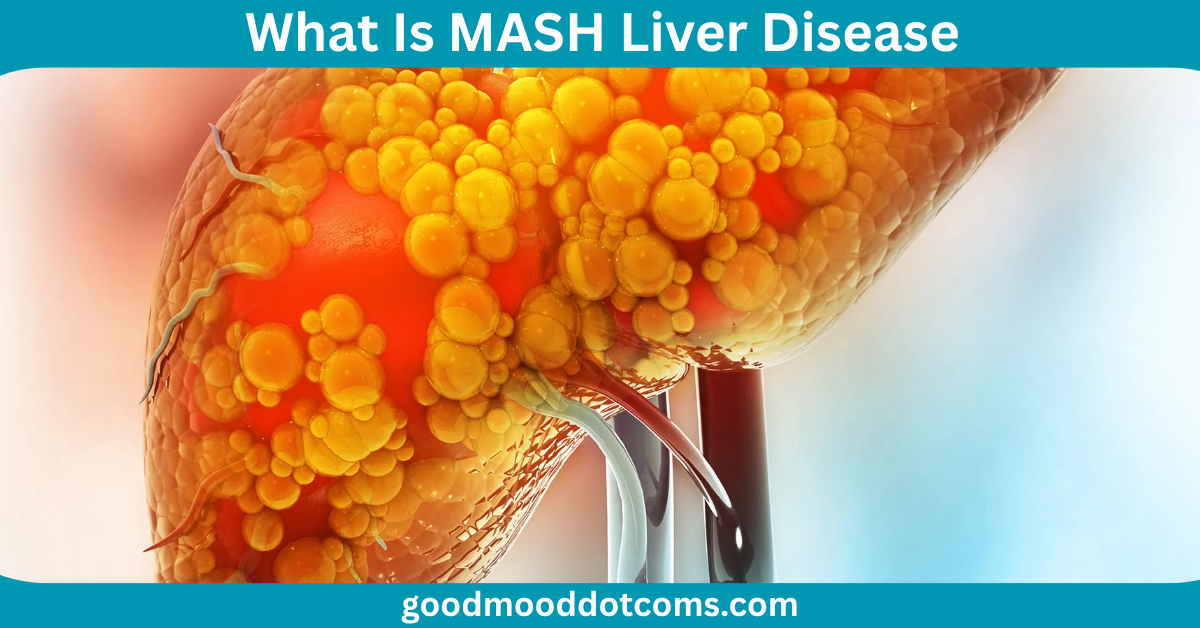
- What Is MASH Liver Disease? Symptoms, Causes, Stages, and Treatment
- Can Fatty Liver Disease Symptoms Appear Without Warning?
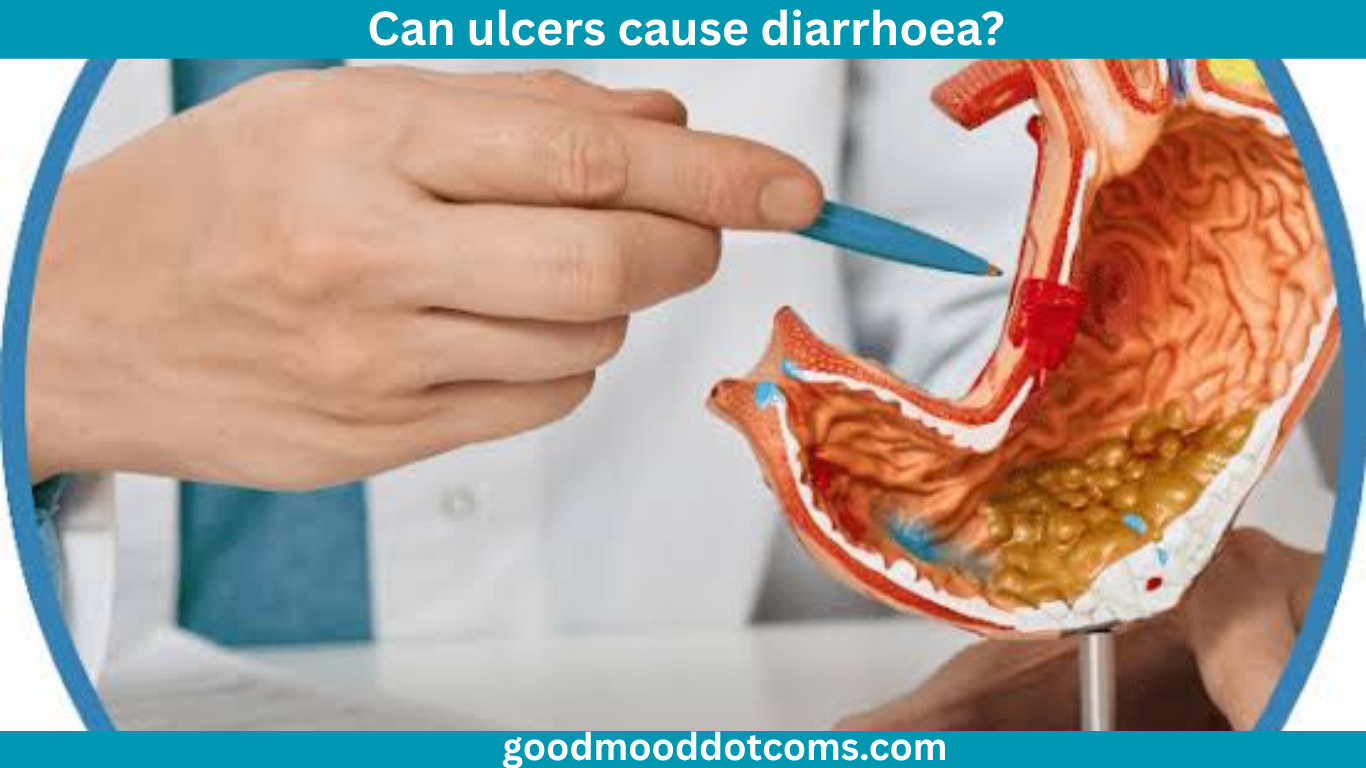
- Can Ulcers Cause Diarrhea? Causes, Symptoms, Treatment, and When to Get Help
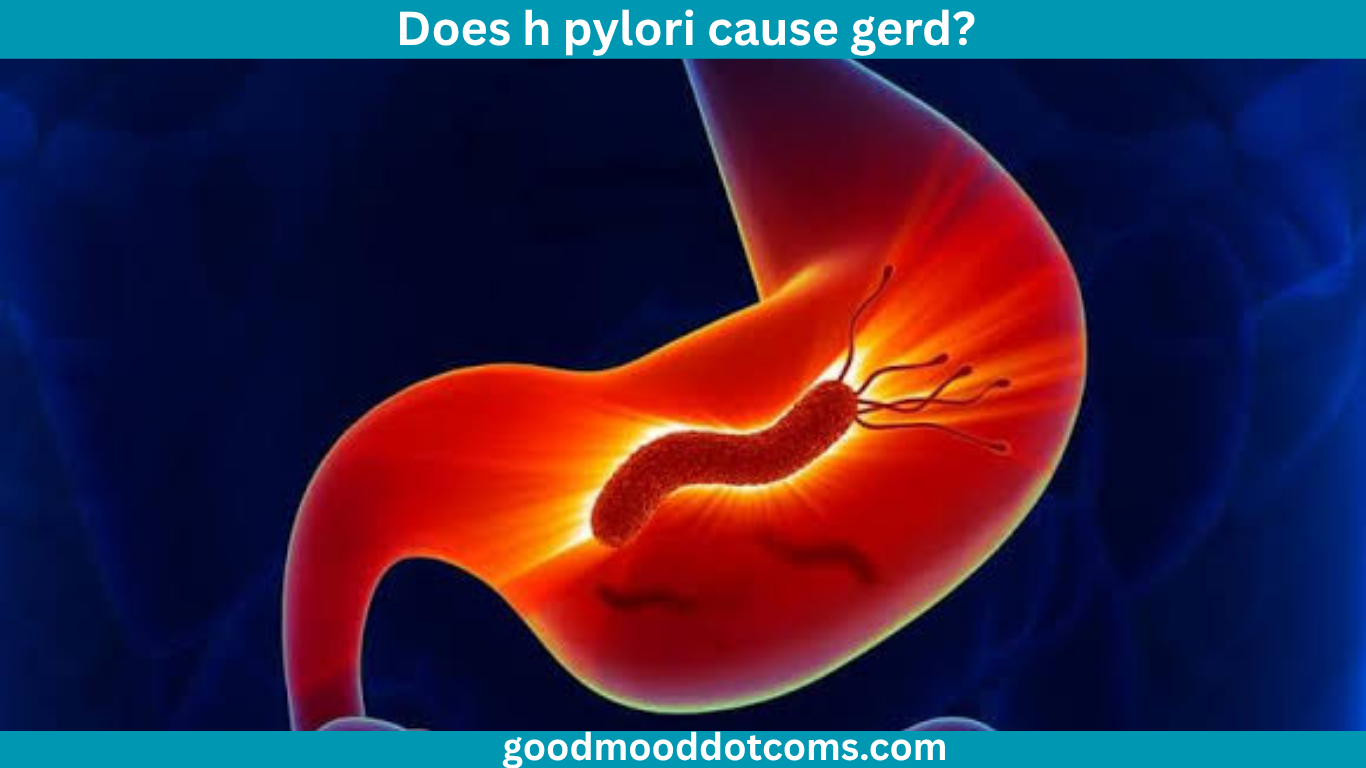
- Does H. pylori Cause GERD? Understanding the Connection Between H. pylori and Acid Reflux
- How Does the Digestive and Circulatory System Work Together? A Simple Guide
Social Sharing
Your Content Goes Here
Latest Posts