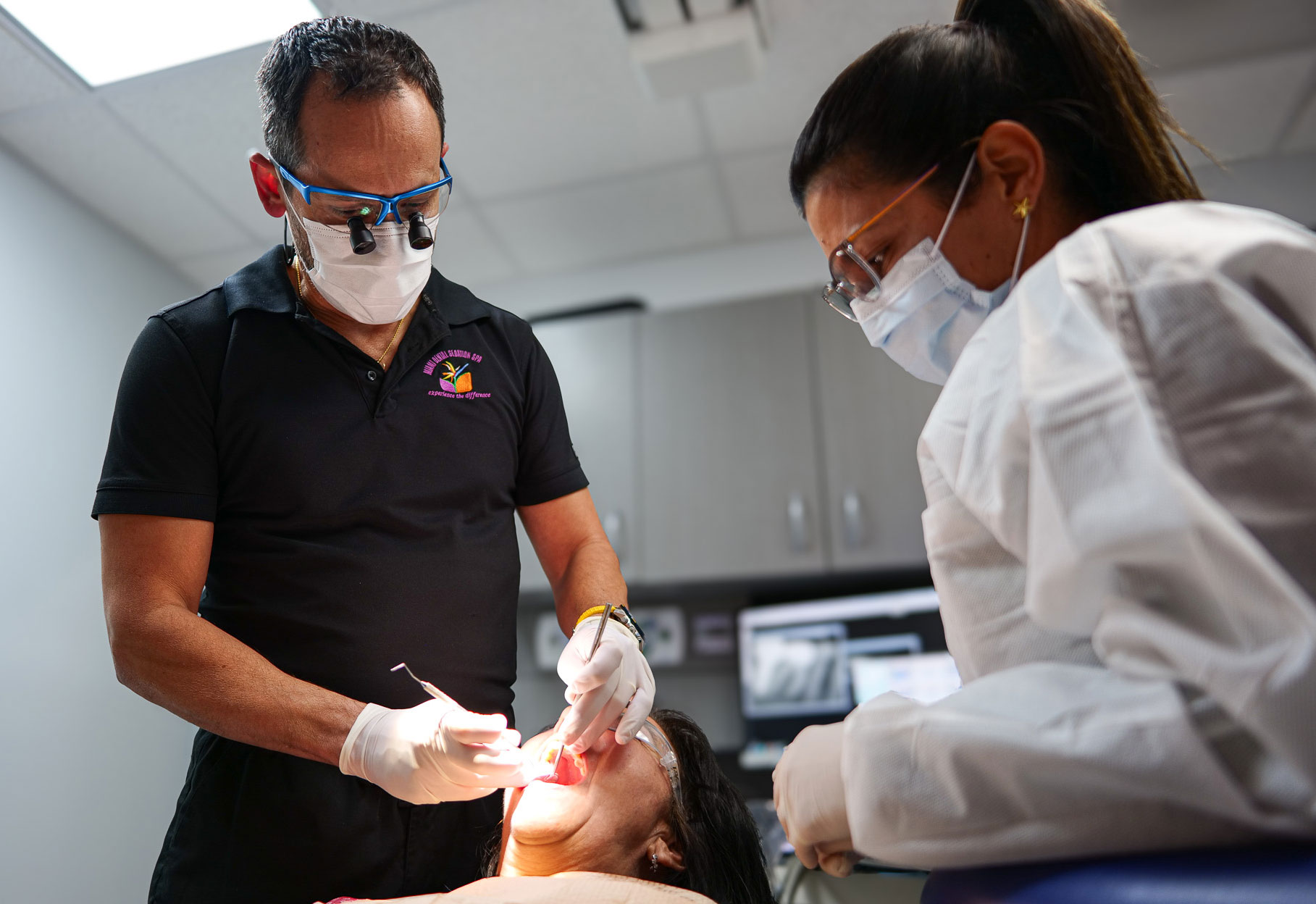


Dedicated dental professionals examine the oral cavity, and they look for subtle signs of decay or specific disease. While patients may focus on cavities, these professionals observe much more during their routine exams. The mouth acts as a window to the body, and it reveals significant health clues. Here is more information on the connection between your dentist and your overall health:
Entry Point for Bacteria
Because the digestive tract begins here, the mouth serves as a primary gateway for bacteria. Bacteria in the oral cavity remain generally harmless to healthy individuals on a daily basis. Daily brushing keeps bacterial levels low, but neglect allows them to multiply rapidly and dangerously. Good hygiene effectively manages this balance.
The body possesses natural defenses, yet these defenses sometimes fail against aggressive oral germs. When you consume sugary foods, bacteria produce acids that attack tooth enamel immediately and relentlessly. This chemical process creates cavities. Saliva washes away some food debris, but it cannot remove sticky plaque buildup effectively.
Periodontal Disease Links
Oral inflammation creates a direct pathway for germs to enter the bloodstream easily. Gums become red or swollen, and this signals an active, localized infection present in the tissue. When barriers break down, microorganisms affect other bodily systems through the circulatory system. Your bloodstream carries these pathogens.
Periodontitis is a severe gum infection, and it damages soft tissue permanently over time. If you ignore this condition, it destroys the bone supporting your teeth eventually. Inflammation spreads beyond the mouth, and it may trigger immune responses elsewhere in the body. A dentist can monitor their condition and keep them under control.
Diabetes impacts gum health significantly. Since high blood sugar weakens immunity, gum infections occur more frequently in diabetic patients. Severe gum disease increases blood sugar, and this makes diabetes harder to manage daily. Control involves managing both conditions.
Cardiovascular Links
Heart disease concerns many medical professionals regarding the recognized oral health connections found today. Inflammation narrows the arteries, and this blockage restricts blood flow to the heart muscle. While the exact mechanism remains under study, a strong correlation clearly exists currently. Bacteria clog the arterial pathways.
Risk factors connecting these systems include:
- Chronic inflammation affecting the vessels
- Excessive bacteria spreading through the blood
- Shared risk factors such as smoking
Poor oral health impacts the gums and teeth, and it may also play a role in broader health issues like heart disease. Neglecting oral hygiene may allow harmful bacteria to thrive, which may travel through the bloodstream. While a doctor can help you fully understand these connections, maintaining proper oral health could reduce the risk of serious cardiovascular complications.
Early Detection
Routine exams reveal more than just plaque, and they protect your future health. Dentists detect early signs of oral cancer during standard checkups with special tools. Because symptoms can go unnoticed, professional screening remains an ideal defense against progression. Lesions appear on the tongue, and your dentist spots them before you do.
Schedule a Dentist Visit
Since your oral health impacts your body, regular visits support total wellness effectively. Book an appointment with a local provider for a comprehensive exam soon. Prevention is key, and your body will appreciate the care you provide. Take action and aim to improve your oral health.
Social Sharing
Your Content Goes Here
Latest Posts