
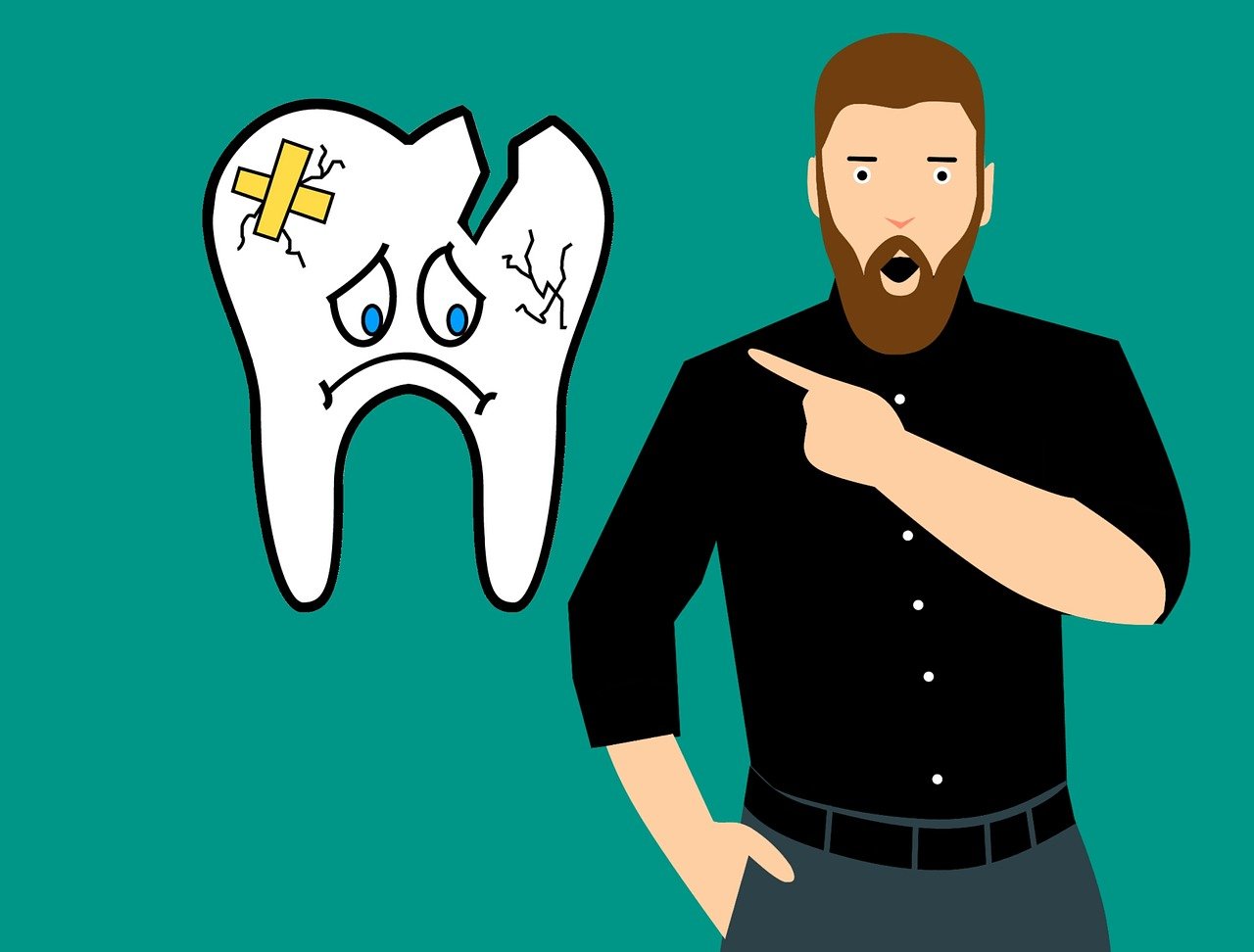
A broken tooth is a dental emergency that can occur during sports, in an accident, or even while eating. In other cases, decay weakens the tooth, leaving it more likely to break from routine daily activities. When a tooth breaks, taking clear steps can help reduce discomfort and protect your dental health. Here are some tips for managing pain and discomfort after a broken tooth:
Seek Immediate Care
Contacting your dentist as soon as possible after breaking a tooth helps minimize the risk of further injury or complications. Many dental offices can accommodate urgent cases in their schedule to provide timely care. They might also provide advice by phone, such as rinsing your mouth with warm salt water to help keep the area clean and reduce the likelihood of infection. If there are jagged edges, covering them with dental wax or sugar-free chewing gum helps protect the inside of your cheeks and tongue from cuts. Avoid biting down on the damaged area while waiting to be seen. Cracked teeth should be treated with the same caution to avoid further damage.
Take Pain Medication
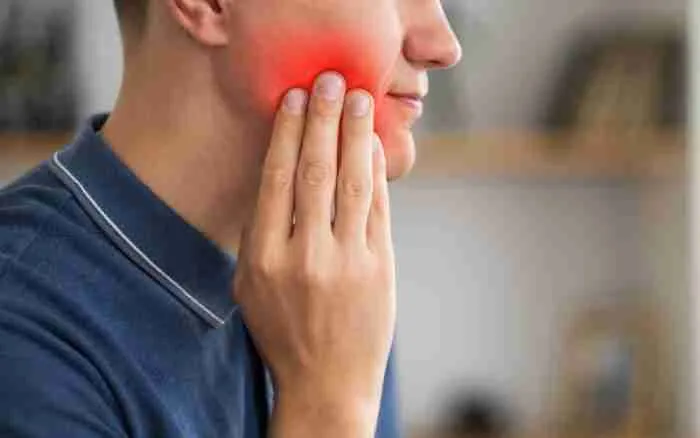
Pain from a broken tooth can occur suddenly and may be sharp or throbbing. Over-the-counter pain medications, such as ibuprofen or acetaminophen, are typically used to reduce discomfort. These medications can also help minimize inflammation. Always follow the dosing directions on the medication label or those provided by your healthcare provider.
Some people find relief by alternating cold compresses with short periods of rest for the affected area. This can make the pain more manageable while you wait for your dental appointment. An over-the-counter oral analgesic gel may also help temporarily numb the area.
Make Dietary Adjustments
Choosing gentle foods and beverages gives your mouth an opportunity to rest and lowers the chance of aggravating a sensitive tooth. Dietary adjustments may include:
- Selecting soft foods, such as scrambled eggs, mashed potatoes, smoothies, yogurt, or applesauce, that require minimal chewing and reduce stress on your broken tooth
- Avoiding hard, sticky, or crunchy foods, including pretzels, raw vegetables, candies, or tough cuts of meat
- Restricting foods with small seeds or grains that might irritate exposed nerves or get stuck in the damaged area
- Limiting extreme temperature changes, since broken teeth often become more sensitive
- Using a straw for beverages to direct liquids away from the sensitive tooth
- Chewing on the opposite side of your mouth to reduce pressure and discomfort
Schedule Broken Tooth Restoration
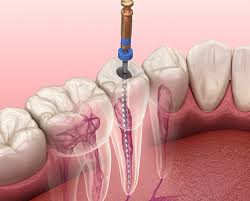
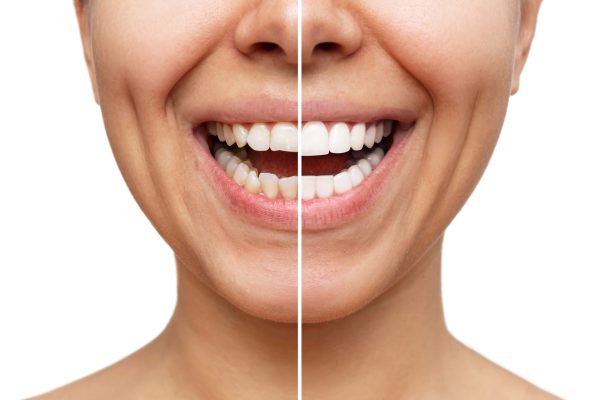
Repairing a broken or damaged tooth is key to restoring comfort and function. During your visit, the dentist will examine the tooth, possibly using X-rays, and discuss treatment options based on the severity of the damage. Minor chips can often be fixed with tooth-colored bonding, while larger fractures may require crowns or root canals for added strength and protection. Addressing a broken tooth promptly helps prevent future issues, such as infections, decay, or further fractures. If you have a broken tooth, contact a dental team today to explore your options and protect your oral health.
Social Sharing
Your Content Goes Here
Latest Posts