

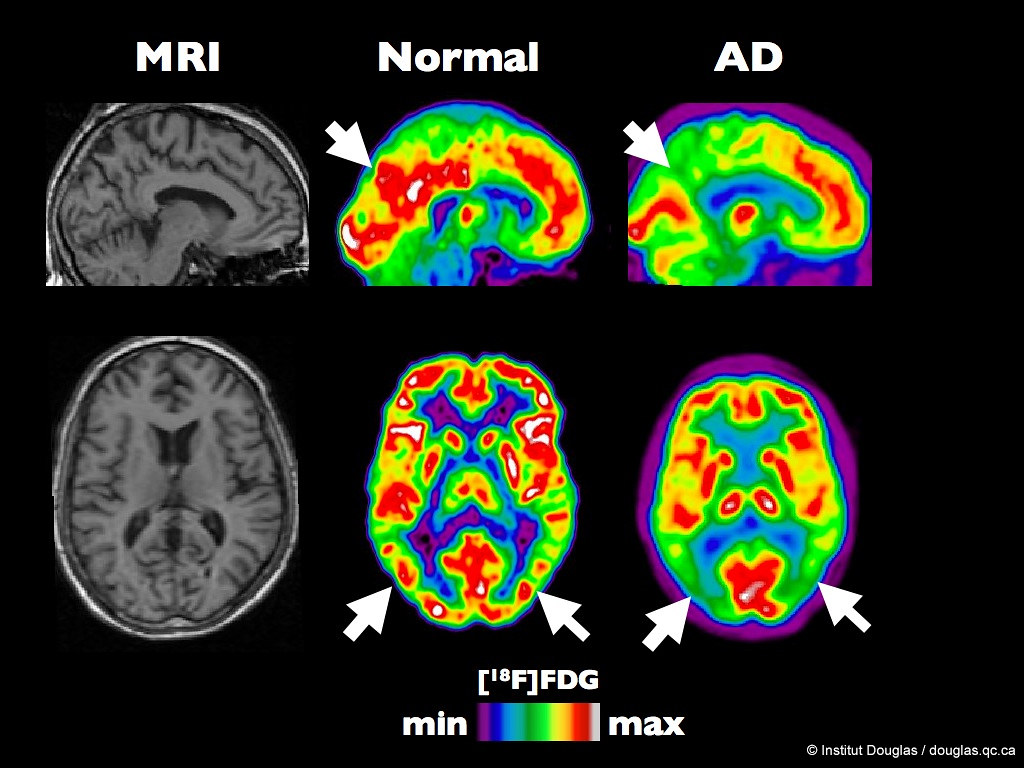
Medical imaging has transformed how healthcare providers look inside the body. Two common imaging methods, Magnetic Resonance Imaging (MRI) and Computed Tomography (CT), both produce clear pictures of the body’s inner structures. Here is more information on how each system works, what situations suit them best, and what you can expect during each procedure:
How MRI and CT Scans Work
An MRI scan uses strong magnets and radio waves to take detailed pictures of the body’s soft tissues. During the scan, you will lie inside a large tube-shaped magnet. The machine lines up water molecules in your body and then uses radio waves to disrupt this alignment. Since MRI does not involve radiation, it is especially useful for imaging organs, muscles, the brain, and joints.
A CT scan uses X-rays to create images. You will lie on a moving table that passes through a round, donut-shaped scanner. The machine rotates around you, taking multiple X-ray pictures from different angles. A computer combines these images into detailed cross-sections, or “slices,” of your body. CT scans work especially well for showing bones, blood vessels, and internal organs. They do use a controlled amount of radiation during the process.
When to Use MRI or CT Scans
The different ways that MRI and CT work make them better for specific uses. MRI excels at showing clear images of soft tissues. Doctors use MRI to check for problems with the brain and nerves, spinal cord, muscles, and joints. Injuries to ligaments or cartilage, as well as detailed imaging of the abdomen and pelvis, often require an MRI. Sometimes, a special dye called contrast can be used with MRI to make the images even clearer.
CT scans work faster and provide excellent pictures of solid structures. Healthcare providers often choose CT in emergency situations, like after an accident, to look for broken bones or internal bleeding. CT also helps with conditions such as cancer, as it allows for quick, comprehensive views of the body. For some scans, a contrast dye might also be used to highlight certain areas.
What to Expect During Each Scan
The experience you have during MRI and CT scans can differ quite a bit. An MRI scan usually takes between 30 and 90 minutes, depending on what needs to be imaged. You will need to lie very still inside an enclosed tube, which can feel confining for some people. The MRI scanner can be quite noisy, making knocking and banging sounds, so you will likely get earplugs or headphones. Metal objects, such as jewelry or watches, must be taken off, and some metal implants might make an MRI unsafe.
A CT scan takes much less time, usually only about 10 to 15 minutes total. The actual scanning often lasts less than a minute. The CT scanner is quieter than an MRI and feels more open, as you move through a circular ring rather than being fully enclosed. Most people find CT scans quick and straightforward. If a contrast dye is needed, you may drink it or receive it through a small tube in your arm before the scan starts.
Find a Radiologist
Both MRI and CT scans allow providers to see inside the body and help guide care. MRI uses magnets and radio waves to produce very clear images of soft tissues and organs. CT uses X-rays to offer rapid, detailed views of bones, blood vessels, and organs, which is especially helpful during emergencies. The main differences between these scans include the type of technology they use, how long they take, and what they show best. Consult with a qualified radiologist to learn more.
- How to Compare Different Types of Health Protection Plans
- Turn Your Wellness Vision into Reality: Finding the Right Private Label Supplements Manufacturer
- Business Leaders: What to Look for in Enterprise PPM Software Solutions
- How Hiring a Local Plumber Transforms Your Emergency Plumbing Situation?
- Recognizing the Signs of ADHD in Children
Social Sharing
Your Content Goes Here
Latest Posts