
Seeing white mucus in your stool can be surprising or worrying. Many people notice it when they look in the toilet or on toilet paper after a bowel movement and immediately wonder whether something is wrong.
So, what do bowel movements with white mucus mean?
A small amount of clear, white, or slightly yellow mucus can sometimes be normal. The intestines naturally produce mucus to help stool move through the digestive tract and to protect the lining of the bowel. However, larger amounts of mucus, mucus that keeps appearing, or mucus that occurs with other symptoms may point to irritation, inflammation, infection, or another digestive problem.
The meaning depends on the whole picture. The color and amount of mucus matter, but so do changes in bowel habits, abdominal pain, diarrhea, constipation, fever, bleeding, weight loss, and how long the problem has been happening.
This guide explains bowel movements with white mucus in simple language. It covers common causes, possible digestive conditions, related symptoms, what mucus in stool can look like, when it may be harmless, when to contact a healthcare professional, and what you can do while monitoring the situation.
What Are Bowel Movements With White Mucus?
Bowel movements with white mucus are stools that contain or are covered by a visible substance that looks clear, white, cloudy, jelly-like, or sometimes slightly yellow.
Mucus is a slippery substance naturally produced by the digestive tract. It helps protect the intestinal lining and allows stool to pass more easily.
A small amount may not be noticeable because it mixes with stool.
When mucus becomes more visible, it can look like:
- A thin white coating on stool
- Clear or cloudy jelly
- White strands mixed with stool
- A slimy substance on toilet paper
- A small amount floating in the toilet
- A mucus-like coating around loose stool
- Whitish material mixed with diarrhea
Not every white substance seen in the toilet is mucus. Food particles, undigested material, toilet paper, medications, and other substances can sometimes look similar.
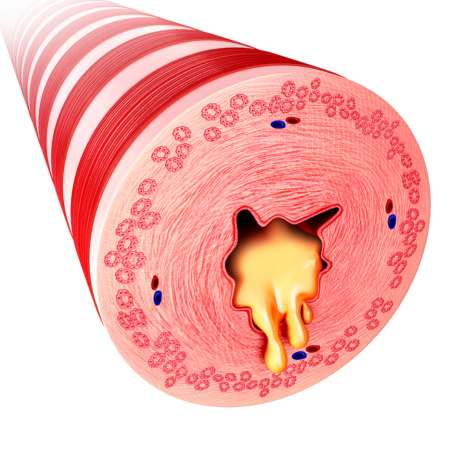
For this reason, appearance alone cannot determine the cause.
Is White Mucus in Stool Normal?
A small amount of mucus can be normal.
Also read:Are Pickles Good for Gut Health? Benefits, Types, Probiotics, and What to Know
Your digestive tract produces mucus every day. The substance helps protect the intestinal lining from friction, digestive chemicals, and other irritants.
You may not normally see it because the amount is small and becomes mixed with stool.
Occasionally, however, more mucus may become visible. This can happen when the bowel is irritated or when bowel movements change.
A single episode of a small amount of mucus is not necessarily a sign of a serious condition.
The situation becomes more important when mucus:
- Appears repeatedly
- Becomes more noticeable
- Occurs with persistent diarrhea
- Occurs with ongoing constipation
- Appears with abdominal pain
- Occurs with blood in the stool
- Is accompanied by fever
- Happens with unexplained weight loss
- Is associated with a major change in bowel habits
These additional symptoms can provide important clues about what is happening.
Why Does the Bowel Produce Mucus?
Mucus has an important protective role in the digestive system.
The intestines contain a delicate lining that comes into contact with food, digestive substances, bacteria, and stool.
Mucus helps create a protective layer over this lining.
It also helps stool move through the bowel.
When the intestine becomes irritated or inflamed, mucus production can increase. The additional mucus may then become visible in bowel movements.
This is why mucus is not a diagnosis by itself.
Instead, it is a symptom or observation that may occur with several different digestive conditions.
What Causes Bowel Movements With White Mucus?
There are many possible causes.
Some are temporary and relatively mild, while others require medical evaluation.
Common possibilities include constipation, irritable bowel syndrome, intestinal infections, inflammatory bowel disease, hemorrhoids, and inflammation of the rectum or colon.
The amount of mucus and the symptoms occurring with it are important.
Constipation and White Mucus
Constipation can sometimes be associated with visible mucus.
When stool becomes hard or difficult to pass, the bowel may become irritated. Straining and changes in bowel movements can also make mucus easier to notice.
A person with constipation may experience:
- Hard stools
- Fewer bowel movements
- Straining
- A feeling that the bowel has not completely emptied
- Bloating
- Abdominal discomfort
- Mucus around stool
Improving hydration, eating enough fiber, staying physically active, and responding to the body’s natural urge to have a bowel movement may help many cases of ordinary constipation.
However, persistent constipation should be discussed with a healthcare professional, particularly when it is a new change or occurs with concerning symptoms.
Irritable Bowel Syndrome and White Mucus
Irritable bowel syndrome, often called IBS, is a common digestive disorder that affects bowel function.
People with IBS may experience abdominal pain along with changes in bowel habits.
These changes can include:
- Diarrhea
- Constipation
- Alternating diarrhea and constipation
- Bloating
- Gas
- Changes in stool appearance
- A feeling of incomplete bowel emptying
Some people with IBS notice mucus in their stool.
IBS does not cause the same type of intestinal damage seen in inflammatory bowel disease. However, symptoms can still be uncomfortable and can significantly affect daily life.
If mucus repeatedly occurs with abdominal pain and changing bowel habits, a healthcare professional can help determine whether IBS or another condition is involved.
Diarrhea and White Mucus
Diarrhea can sometimes cause mucus to become more visible.
When stool moves rapidly through the digestive tract, the bowel may become irritated. Infections and other causes of diarrhea can also affect mucus production.
Short-term diarrhea may occur because of:
- Viral infections
- Bacterial infections
- Food-related illness
- Dietary changes
- Certain medications
- Food intolerances
If diarrhea is mild and lasts only a short time, it may resolve without specific treatment.
However, persistent or severe diarrhea can cause dehydration and may require medical evaluation.
Pay particular attention if diarrhea occurs with blood, high fever, severe abdominal pain, confusion, fainting, or signs of dehydration.
Gastrointestinal Infections
An infection in the digestive tract can sometimes cause mucus in stool.
Viruses, bacteria, and certain parasites can cause gastrointestinal infections.
Possible symptoms include:
- Diarrhea
- Abdominal cramps
- Nausea
- Vomiting
- Fever
- Mucus in stool
- Urgent bowel movements
- Fatigue
The exact symptoms depend on the organism and the person.
Some infections improve on their own, while others may require specific treatment.
Antibiotics should not be taken simply because mucus appears in stool. Antibiotics only help certain bacterial infections and can sometimes make diarrhea worse or create additional digestive problems.
Inflammatory Bowel Disease
Inflammatory bowel disease, or IBD, is a group of chronic conditions involving inflammation in the digestive tract.
The two main forms are Crohn’s disease and ulcerative colitis.
IBD can cause mucus in stool, particularly when inflammation affects the colon or rectum.
Other symptoms may include:
- Persistent diarrhea
- Abdominal pain
- Blood in stool
- Urgency to have a bowel movement
- Fatigue
- Reduced appetite
- Unexplained weight loss
- Fever in some cases
Ulcerative colitis particularly affects the colon and rectum, while Crohn’s disease can affect different parts of the digestive tract.
Mucus by itself does not mean that someone has IBD.
However, repeated mucus accompanied by persistent diarrhea, blood, pain, weight loss, or other ongoing symptoms deserves medical evaluation.
Ulcerative Colitis and White Mucus
Ulcerative colitis causes inflammation and ulcers in the inner lining of the colon and rectum.
Because the condition affects these areas, bowel movements can contain mucus.
People with ulcerative colitis may experience:
- Frequent bowel movements
- Diarrhea
- Rectal urgency
- Abdominal discomfort
- Blood in stool
- Mucus
- Fatigue
Symptoms can vary from mild to severe.
A person should not assume that white mucus means ulcerative colitis. Diagnosis requires medical assessment and may involve blood tests, stool testing, colonoscopy, or other examinations depending on the situation.
Proctitis and Mucus in Stool
Proctitis means inflammation of the rectum.
Because the rectum produces and handles mucus, inflammation in this area can result in mucus discharge.
Possible symptoms include:
- Rectal discomfort
- Rectal pain
- Urgency
- Frequent bowel movements
- Mucus
- Blood
- A feeling that you need to have a bowel movement even after going
Proctitis can have several causes, including inflammatory conditions, infections, and other forms of irritation.
The treatment depends on the cause.
Hemorrhoids and Mucus
Hemorrhoids are swollen veins in the lower rectum or anus.
They can cause symptoms such as:
- Rectal discomfort
- Itching
- Irritation
- Bleeding
- A feeling of incomplete bowel emptying
Some people may also notice mucus.
Hemorrhoids are common, particularly in people who strain during bowel movements or experience constipation.
However, rectal bleeding should not automatically be blamed on hemorrhoids.
If you see blood in your stool or on toilet paper repeatedly, especially if the bleeding is new, heavy, or associated with other symptoms, it is important to seek medical advice.
Anal or Rectal Irritation
Local irritation can sometimes increase mucus or make it more noticeable.
Possible causes of irritation include frequent diarrhea, repeated wiping, constipation, straining, or inflammation around the anus or rectum.
The digestive tract is sensitive, and repeated bowel movements can irritate surrounding tissues.
If the irritation goes away when the underlying bowel problem improves, the mucus may also decrease.
Persistent symptoms, however, deserve attention.
Food Intolerances and Digestive Symptoms
Some people notice mucus alongside digestive symptoms after eating certain foods.
Food intolerance may cause:
- Bloating
- Gas
- Abdominal discomfort
- Diarrhea
- Constipation
- Changes in stool
Lactose intolerance, for example, can cause digestive symptoms after consuming dairy products in people who have difficulty digesting lactose.
Food intolerance is different from a food allergy.
A food allergy can involve the immune system and may cause symptoms outside the digestive system.
If you repeatedly notice symptoms after a specific food, keeping a food and symptom diary can help identify patterns. However, avoid unnecessarily eliminating large groups of foods without professional guidance because restrictive diets can create nutritional problems.
Can Stress Cause Mucus in Stool?
Stress can affect the digestive system.
The brain and digestive tract communicate through what is often called the gut-brain connection.
Stress may affect:
- Bowel movement frequency
- Intestinal movement
- Abdominal discomfort
- Diarrhea
- Constipation
- Bloating
People with IBS may be especially aware of this connection.
Stress itself does not prove that mucus has a psychological cause. If mucus is persistent or occurs with concerning symptoms, it should still be evaluated appropriately.
What Does White Mucus in Stool Look Like?
White mucus can have several appearances.
It may be:
- Clear and jelly-like
- Milky white
- Cloudy
- Whitish-yellow
- Stringy
- Slimy
- Coating the outside of stool
The appearance can vary depending on how much mucus is present and what it mixes with.
Color alone is not enough to determine the cause.
For example, mucus can appear slightly yellow when mixed with stool.
Likewise, something that looks white may not actually be mucus.
White Mucus vs Pale or White Stool
This distinction is important.
White mucus is different from stool that is unusually pale, gray, clay-colored, or almost white.
Mucus is usually a slimy or jelly-like material.
A stool that is consistently very pale or clay-colored can have a different significance because stool color is influenced partly by bile.
If your stool itself repeatedly becomes unusually pale, gray, or clay-colored, especially with dark urine or yellowing of the skin or eyes, seek medical evaluation.
Do not assume that unusual stool color is simply mucus.
When Is White Mucus in Stool More Concerning?
Mucus becomes more concerning when it occurs with other symptoms.
Contact a healthcare professional if you have repeated mucus along with:
- Persistent abdominal pain
- Ongoing diarrhea
- New or persistent constipation
- Blood in stool
- Black or tar-like stool
- Fever
- Unexplained weight loss
- Significant fatigue
- Repeated vomiting
- A major change in bowel habits
- Persistent urgency
- Symptoms that keep getting worse
These symptoms do not necessarily mean that something serious is happening.
They simply make medical evaluation more important.
When Should You Seek Urgent Medical Care?
Some digestive symptoms require prompt medical attention.
Seek urgent care if you have significant bleeding, severe or worsening abdominal pain, fainting, confusion, severe weakness, signs of serious dehydration, or other symptoms that make you feel acutely unwell.
Black, tarry stools can sometimes indicate bleeding higher in the digestive tract and should be medically evaluated.
Large amounts of bright red blood or bleeding associated with weakness or dizziness also require prompt attention.

Severe abdominal pain with vomiting, abdominal swelling, or inability to pass stool or gas can also require urgent assessment.
What Symptoms Can Occur With White Mucus?
The symptoms that occur with mucus can provide useful information.
Also read:How Does the Circulatory System Interact With the Digestive System?
Mucus With Constipation
This may occur with:
- Hard stool
- Straining
- Bloating
- Infrequent bowel movements
Mucus With Diarrhea
This may occur with:
- Loose stool
- Urgency
- Abdominal cramps
- Infection
- Inflammation
Mucus With Blood
Blood and mucus together can occur with several conditions, including inflammation and infections.
It should not automatically be considered harmless.
Mucus With Abdominal Pain
Pain plus mucus may occur with IBS, infection, inflammatory conditions, and other digestive problems.
The location, severity, duration, and pattern of the pain matter.
How Is the Cause of White Mucus Diagnosed?
There is no single test that explains every case of mucus in stool.
A healthcare professional usually starts by asking questions about symptoms and medical history.
You may be asked:
- When did the mucus begin?
- How often does it occur?
- How much mucus do you see?
- What does your stool look like?
- Do you have diarrhea?
- Are you constipated?
- Do you have abdominal pain?
- Have you noticed blood?
- Have you lost weight without trying?
- Have you had a fever?
- Have you recently traveled?
- Have you taken antibiotics?
- Have you changed your diet?
- Do certain foods trigger symptoms?
- Have your bowel habits recently changed?
Depending on the situation, the healthcare professional may recommend stool testing, blood tests, imaging, or procedures such as colonoscopy.
The right evaluation depends on the individual’s symptoms and risk factors.
What Stool Tests Can Show
Stool tests can help doctors investigate certain digestive problems.
Depending on the test, stool samples may be examined for:
- Infection
- Blood
- Inflammation
- Certain parasites
- Other signs of digestive disease
A stool test is not always necessary for a small, temporary amount of mucus.
A healthcare professional decides whether testing is appropriate based on the overall symptoms.
How Is White Mucus in Stool Treated?
There is no universal treatment for mucus in stool because mucus is a symptom rather than a single disease.
Treatment depends on the underlying cause.
For example:
Constipation may improve with appropriate fiber, fluids, physical activity, and other treatments when needed.
Certain infections may require specific treatment.
IBS may be managed through diet changes, lifestyle measures, stress management, and medications when appropriate.
Inflammatory bowel disease requires medical management designed for the individual.
Hemorrhoids may improve with measures that reduce straining and irritation.
This is why treating the cause is more useful than trying to eliminate mucus itself.
Can Drinking More Water Help?
Adequate hydration is important for digestive health.
Water helps support normal bowel function and can be especially important when diarrhea is causing fluid loss.
However, drinking extra water is not a cure for every cause of mucus in stool.
If mucus is caused by inflammation, infection, or another medical condition, hydration alone may not solve the problem.
People with significant diarrhea should pay attention to signs of dehydration, such as very dark urine, dizziness, unusual weakness, dry mouth, or reduced urination.
Can Fiber Help?
Fiber plays an important role in healthy bowel function.
It can help regulate stool consistency and may be useful for constipation.
Good food sources include:
- Fruits
- Vegetables
- Beans
- Lentils
- Whole grains
- Nuts
- Seeds
However, increasing fiber too quickly can cause gas and bloating.
Some people with certain digestive conditions may also need individualized dietary advice.
If your symptoms are persistent, ask a healthcare professional or registered dietitian before making major dietary changes.
Should You Avoid Dairy?
Not everyone with mucus in stool needs to avoid dairy.
Dairy may cause digestive symptoms in people with lactose intolerance, but mucus alone does not establish lactose intolerance.
Removing dairy without a clear reason may make it harder to maintain adequate calcium and vitamin D intake.
If you consistently develop symptoms after dairy products, discuss the pattern with a healthcare professional.
Should You Take Medicine for White Mucus?
Do not take medication simply to stop mucus without understanding why it is happening.
Some over-the-counter products can help specific digestive symptoms, but they are not appropriate for every situation.
For example, certain anti-diarrheal medications may not be appropriate when diarrhea is accompanied by particular infections, significant fever, or blood.
Likewise, laxatives should be selected carefully depending on the type and cause of constipation.
If symptoms are persistent, severe, or unusual for you, professional advice is safer than self-treating indefinitely.
Can Probiotics Help?
Probiotics are live microorganisms found in some foods and supplements.
Certain probiotic products may help some digestive conditions, but the effects vary depending on the strain, condition, and individual.
There is no universal probiotic that should be taken by everyone with mucus in stool.
If you are considering a probiotic supplement, discuss it with a healthcare professional, particularly if you have a weakened immune system or a serious underlying illness.
Keeping a Bowel Movement Diary
If mucus continues to appear, keeping a simple record can be useful.
Write down:
- Date
- Stool frequency
- Stool consistency
- Mucus amount
- Stool color
- Abdominal pain
- Food eaten
- Diarrhea or constipation
- Medications
- Stress or major routine changes
- Other symptoms
This information can help identify patterns.
For example, you might discover that symptoms occur after a particular food, during periods of constipation, or during stressful periods.
A diary can also give your healthcare professional a clearer picture of what has been happening.
What Is the Bristol Stool Chart?
The Bristol Stool Chart is a tool used to describe stool consistency.
It divides stool into seven general types, ranging from hard, separate pieces to watery stool.
It can help people communicate about bowel habits more clearly.
For example, someone might say they frequently have loose stools rather than simply saying their stomach feels abnormal.
Stool consistency is only one part of the picture.
Mucus, blood, pain, frequency, urgency, and other symptoms also matter.
Can White Mucus Be Caused by a Serious Disease?
Sometimes mucus can occur with conditions that require medical treatment, but mucus alone does not mean you have a serious disease.
This is an important distinction.
Also read:ION Gut Support: What It Is, Ingredients, Benefits, Uses, and What to Know
Online searches can make ordinary symptoms seem frightening because many different conditions can produce similar symptoms.
A small amount of mucus after a temporary change in bowel habits is very different from persistent mucus accompanied by bleeding, weight loss, severe pain, or long-term diarrhea.
The best approach is to consider the entire symptom pattern rather than focusing on mucus alone.
Does Mucus in Stool Mean Colon Cancer?
Mucus in stool by itself does not mean colon cancer.
However, persistent changes in bowel habits can have many causes, and colorectal cancer is one condition doctors consider when symptoms and risk factors make it appropriate.
Possible warning signs can include blood in stool, unexplained weight loss, persistent changes in bowel habits, abdominal symptoms, and unexplained iron-deficiency anemia.
Many of these symptoms are also caused by conditions that are not cancer.
If you have persistent or unexplained bowel changes, particularly if you are in an age group where colorectal cancer screening is recommended or have additional risk factors, speak with a healthcare professional.
Why Colorectal Cancer Screening Matters
Colorectal cancer screening is important because screening can help detect precancerous growths and cancer before symptoms appear.
For average-risk adults, U.S. screening recommendations generally begin at age 45, although the appropriate test and schedule depend on personal and family history.
People with increased risk may need screening earlier or more often.
Screening recommendations can change as new evidence becomes available, so patients should discuss the appropriate schedule with their healthcare professional.
The key point is that screening is different from investigating symptoms.
If you have concerning symptoms, do not wait for your next routine screening appointment before discussing them with a healthcare professional.
White Mucus After Antibiotics
Antibiotics can change the balance of microorganisms in the digestive tract.
Some people develop diarrhea during or after antibiotic treatment.
If significant diarrhea develops after taking antibiotics, medical evaluation may sometimes be appropriate because certain antibiotic-associated infections can cause substantial intestinal inflammation.
Do not assume that mucus after antibiotics is simply a normal side effect.
If diarrhea is persistent, severe, bloody, or accompanied by fever or significant abdominal pain, contact a healthcare professional.
White Mucus After a Stomach Bug
A temporary digestive infection can irritate the intestines.
After diarrhea or another gastrointestinal illness, bowel movements may remain unusual for a short period while the digestive system returns to its normal pattern.
Some people may notice mucus during this time.
The important question is whether symptoms are improving.
If symptoms continue, worsen, or are accompanied by blood, high fever, severe pain, dehydration, or other concerning signs, seek medical advice.
Can Children Have White Mucus in Stool?
Children can also have mucus in stool.
The possible causes vary with age and circumstances.
A small amount of mucus may occur temporarily, but repeated mucus should be discussed with a pediatric healthcare professional, especially if the child also has diarrhea, vomiting, fever, blood in stool, abdominal pain, poor feeding, or signs of dehydration.
Infants and young children can become dehydrated more quickly than adults, so significant diarrhea deserves particular attention.
Can Pregnancy Cause Mucus in Stool?
Pregnancy can change digestion and bowel habits.
Hormonal changes may contribute to constipation, bloating, and other gastrointestinal symptoms.
Mucus may sometimes be noticed during changes in bowel movements.
However, pregnancy does not automatically explain persistent mucus.
Pregnant people with ongoing diarrhea, blood in stool, significant abdominal pain, fever, dehydration, or other concerning symptoms should contact their healthcare professional.
What Should You Tell Your Doctor?
If you decide to seek medical advice, do not worry about describing the symptom perfectly.
Simple details are enough to begin.
You can explain:
“I have noticed white mucus in my bowel movements for about ___ days/weeks.”
Then mention whether you also have:
- Diarrhea
- Constipation
- Abdominal pain
- Blood
- Fever
- Weight loss
- Bloating
- Urgency
- Nausea
- Recent antibiotics
- Recent travel
- Dietary changes
This information can help the healthcare professional determine what should happen next.
Questions Your Doctor May Ask About Your Stool
Healthcare professionals routinely discuss bowel movements, so there is no need to feel embarrassed.
They may ask about:
- Color
- Consistency
- Frequency
- Amount
- Mucus
- Blood
- Odor
- Urgency
- Pain
- Recent changes
These questions can help distinguish between temporary digestive changes and symptoms that require additional testing.
What Not to Do When You Notice White Mucus
Avoid assuming that mucus automatically means you have a serious disease.
Also avoid repeatedly searching for a diagnosis based on one symptom.
Do not start antibiotics without medical advice.
Do not follow an extremely restrictive diet simply because you saw mucus.
Do not ignore persistent symptoms.
Do not assume rectal bleeding is caused by hemorrhoids without appropriate evaluation.
Instead, monitor the pattern, pay attention to other symptoms, maintain reasonable hydration and nutrition, and seek professional advice when symptoms persist or become concerning.
A Practical Way to Think About Bowel Movements With White Mucus
A useful approach is to think about three questions.
First, how much mucus is present?
A small amount is different from a large or increasing amount.
Second, how often is it happening?
A single episode is different from mucus appearing regularly for weeks.
Third, what else is happening?
Mucus with no other symptoms is generally less concerning than mucus combined with blood, persistent diarrhea, unexplained weight loss, severe pain, or fever.
This simple framework can help prevent both unnecessary panic and unnecessary delay.
Bowel Movements With White Mucus: What Matters Most?
The most important point is that mucus is a normal substance in the digestive tract.
Seeing some mucus does not automatically mean something is wrong.
At the same time, persistent or significant mucus should not simply be ignored.
The overall pattern matters more than the mucus itself.
For example, occasional mucus during constipation may have a very different explanation from repeated mucus with bloody diarrhea and abdominal pain.
Good digestive health is about patterns, not one isolated observation.
Final Thoughts
Bowel movements with white mucus can have many explanations, ranging from normal mucus production and temporary bowel irritation to conditions such as constipation, IBS, infection, hemorrhoids, proctitis, and inflammatory bowel disease. White mucus by itself does not provide enough information to identify the cause. The amount, frequency, duration, stool changes, and other symptoms are much more useful. If mucus continues to appear or occurs with blood, persistent diarrhea, significant abdominal pain, fever, unexplained weight loss, black stools, dehydration, or another major change in bowel habits, it is important to speak with a healthcare professional. The safest approach is to look at the complete symptom pattern instead of trying to diagnose the cause from mucus alone.
Frequently Asked Questions About Bowel Movements With White Mucus
Can dehydration cause white mucus in stool?
Dehydration can affect bowel movements and may contribute to constipation, but it is not a specific explanation for visible white mucus. If mucus continues to appear, consider the full pattern of symptoms rather than assuming dehydration is the cause.
Can mucus in stool affect the smell of a bowel movement?
Mucus itself does not provide a reliable way to determine why stool smells different. Changes in diet, digestion, infection, medications, and other factors can affect stool odor. A persistent major change accompanied by other symptoms should be discussed with a healthcare professional.
Can exercise change bowel movements or mucus?
Physical activity can influence bowel movement patterns. Exercise may help support regular bowel function, particularly for some people with constipation. However, persistent mucus should not automatically be attributed to exercise.
Can supplements cause mucus in stool?
Some supplements can change digestion or stool consistency. Ingredients such as certain forms of magnesium, iron, fiber, or herbal products can affect bowel habits. If mucus began after starting a new supplement, tell your healthcare professional about the product and dose.
How long should I watch white mucus in my stool before calling a doctor?
There is no single number of days that applies to everyone. A small, isolated amount without other symptoms may simply be monitored. If mucus is persistent, repeatedly returns, becomes more noticeable, or occurs with bleeding, significant pain, fever, ongoing diarrhea, weight loss, or another concerning change, contact a healthcare professional sooner rather than waiting.