
The idea behind a gut type quiz is simple: answer questions about your digestion, eating habits, bowel movements, food reactions, stress, sleep, and daily routine, then use those answers to identify a possible pattern.
But there is an important point to understand before taking any quiz. “Gut type” is not a standard medical diagnosis. A quiz can help you notice patterns, but it cannot tell you exactly what is happening inside your digestive system or diagnose a medical condition.
Your gut is a complex system. It includes the stomach, small intestine, large intestine, liver, gallbladder, pancreas, gut microbes, nerves, immune activity, and many other processes. Digestive symptoms can also have many different causes.
That is why a useful gut type quiz should be viewed as a starting point for self-awareness, not a replacement for medical care.
This guide explains what a gut type quiz is, what questions it may ask, what the results can and cannot tell you, how gut health works, and how to use quiz results in a sensible way.
What Is a Gut Type Quiz?
A gut type quiz is a questionnaire designed to help people identify patterns related to digestive health and lifestyle.
A typical gut type quiz may ask about:
- Bloating
- Gas
- Constipation
- Diarrhea
- Stomach discomfort
- Heartburn
- Food habits
- Fiber intake
- Water intake
- Stress
- Sleep
- Exercise
- Eating patterns
- Food sensitivities
- Bathroom habits
After answering the questions, the quiz may place you into a particular “type” or category.
Different websites use different names and systems. There is no single medically accepted gut type quiz that can classify everyone’s digestive system into a fixed number of types.

This distinction matters.
A quiz may be useful for organizing symptoms and encouraging healthier habits, but the result should not be treated as a medical diagnosis.
Also read:Are Pickles Good for Gut Health? Benefits, Types, Probiotics, and What to Know
Why Are Gut Type Quizzes So Popular?
Gut health has become a major topic in health and wellness conversations.
People often search for information when they notice symptoms such as bloating, irregular bowel movements, gas, or changes in digestion.
A quiz feels easy because it turns a complicated subject into simple questions.
Instead of reading about dozens of digestive conditions, a person can answer questions and receive a result that feels personal.
There is also growing scientific interest in the gut microbiome. The human digestive tract contains trillions of microorganisms, including bacteria and other microbes. Researchers continue to study how these organisms interact with digestion, immunity, metabolism, and other parts of health.
However, microbiome science is still developing.
A consumer quiz cannot normally determine the exact composition or health of your gut microbiome.
That is one of the most important things to remember when using a gut type quiz.
Is “Gut Type” a Medical Term?
Generally, no.
“Gut type” is commonly used in wellness and online quiz content rather than as a formal medical classification.
Doctors diagnose digestive problems using medical history, physical examination, laboratory tests, imaging, endoscopy, and other tools when appropriate.
A questionnaire can collect useful information, but it does not provide the same level of evidence as clinical evaluation.
For example, bloating can occur for many reasons. It may be related to eating patterns, constipation, certain foods, swallowing air, gastrointestinal disorders, or other factors.
A quiz cannot reliably determine the cause from a few questions alone.
What Does a Gut Type Quiz Usually Measure?
Although every quiz is different, many focus on several broad areas.
Digestive Symptoms
Questions may ask whether you experience:
- Bloating
- Gas
- Abdominal discomfort
- Constipation
- Loose stools
- Urgency
- Changes in bowel frequency
These questions can help you notice patterns.
However, symptoms alone usually cannot identify a specific cause.
Eating Habits
The quiz may ask how often you eat vegetables, fruits, whole grains, beans, fermented foods, or highly processed foods.
It may also ask about meal timing and portion sizes.
These questions are useful because diet can influence digestive health.
Hydration
Water intake can affect bowel habits, especially when someone is not getting enough fluid.
A quiz may therefore ask how much water you usually drink.
Physical Activity
Movement is another common topic.
Regular physical activity supports overall health and may also help some people maintain regular bowel movements.
Stress
The digestive system and nervous system communicate closely.
Stress can affect how some people experience digestive symptoms.
A gut type quiz may ask about stress levels, anxiety around meals, or digestive symptoms that appear during stressful periods.
Sleep
Poor or irregular sleep can affect overall health and may influence eating behavior, stress, and how a person feels physically.
For that reason, sleep may appear in a gut health questionnaire.
What Are the Common Gut Type Categories?
There is no universally accepted set of gut types.
One quiz might create categories based mainly on bowel habits. Another might focus on food choices. A different quiz may use a wellness model involving stress and lifestyle.
This means you should be careful when seeing claims such as “you are a Type A gut” or “you have a certain microbiome type.”
The label may belong only to that particular quiz.
It should not automatically be interpreted as a medical condition.
Can a Gut Type Quiz Diagnose Gut Problems?
No.
A gut type quiz should not be used to diagnose conditions such as:
- Irritable bowel syndrome
- Inflammatory bowel disease
- Celiac disease
- Crohn’s disease
- Ulcerative colitis
- Gastroesophageal reflux disease
- Food allergies
- Gastrointestinal infections
- Colon cancer
These conditions require appropriate medical evaluation.
For example, persistent diarrhea can have many causes. Similarly, ongoing constipation can result from diet, medications, lifestyle factors, or medical conditions.
A quiz can encourage you to pay attention to symptoms, but diagnosis requires a healthcare professional.
How Accurate Is a Gut Type Quiz?
Accuracy depends on what the quiz is trying to measure.
A simple questionnaire can be reasonably useful for identifying your own reported habits and symptoms.
For example, if you answer that you rarely eat fiber-rich foods, drink little water, and frequently experience constipation, the quiz can highlight those patterns.
But that does not mean the quiz has identified the biological cause of your constipation.
The more specific the health claim becomes, the more cautious you should be.
A quiz cannot accurately measure your gut microbiome merely by asking lifestyle questions.
What Is the Gut Microbiome?
The gut microbiome refers to the community of microorganisms living in the digestive tract.
These microorganisms include many types of bacteria, along with other microbes.
The microbiome interacts with the body in complex ways.
Researchers are studying its possible relationships with:
- Digestion
- Immune function
- Metabolism
- Gut barrier function
- Inflammation
- Certain diseases
However, scientists are still learning how to translate microbiome research into practical recommendations for individual people.
Having more of one bacterial species does not automatically mean that someone has a “healthy gut.”
The overall ecosystem matters, and the meaning of microbiome measurements depends on many factors.
Can a Gut Type Quiz Tell You Your Microbiome?
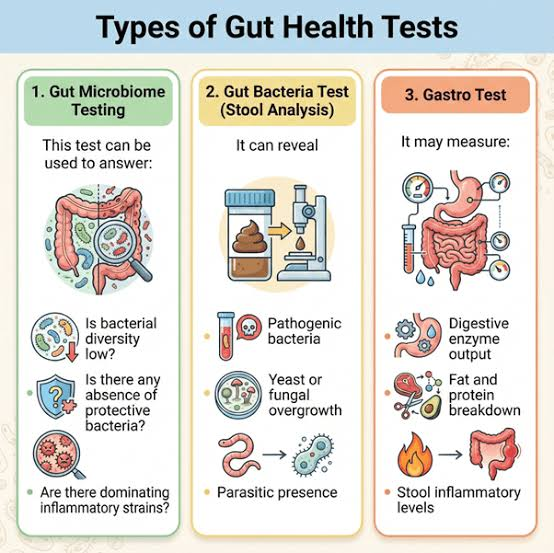
Usually, no. A gut type quiz asks about your symptoms, eating habits, and lifestyle. It cannot directly identify the bacteria in your digestive system. A microbiome test uses a biological sample, such as a stool sample, to look for microorganisms. However, even these test results can be difficult to understand because researchers are still learning what different microbiome patterns mean for health.
Gut Type Quiz vs. Microbiome Test
A gut type quiz and a microbiome test are different. A quiz uses your answers to identify general patterns, while a microbiome test examines a biological sample in a laboratory. A quiz may ask about bloating, constipation, or diet, while a microbiome test may analyze microbial DNA. Neither one provides a complete picture of your gut health. Your symptoms, medical history, diet, medications, lifestyle, and professional medical evaluation can all be important.
What Questions Should a Good Gut Type Quiz Ask?
A useful quiz should focus on questions that provide meaningful information.
Examples include:
- How often do you have bowel movements?
- Are your stools usually hard, loose, or well formed?
- Do you often feel bloated?
- Do you experience frequent gas?
- Do certain foods appear to trigger symptoms?
- How much fiber do you normally eat?
- How much water do you drink?
- How active are you?
- How well do you sleep?
- How much stress do you experience?
- Do you take medications or supplements that affect digestion?
The questions should be clear and easy to answer.
A good questionnaire should also avoid pretending that a simple score can diagnose a disease.
Why Bowel Habits Matter
Bowel habits can provide useful information about digestive function.
People naturally have different bowel patterns.
Some people have bowel movements several times a day, while others have them less frequently.
Frequency alone does not always tell the whole story.
Stool consistency, straining, urgency, discomfort, and changes from your normal pattern can also matter.
Also read:How Does the Circulatory System Interact With the Digestive System?
The Bristol Stool Form Scale is one tool healthcare professionals use to describe stool appearance. It divides stool forms into seven categories.
This kind of information can be more useful than simply asking, “How often do you poop?”
What Does Bloating Tell You?
Bloating is a common digestive complaint.
People may describe it as:
- Fullness
- Pressure
- Tightness
- Visible abdominal swelling
Bloating can happen for many reasons.
Eating large meals, swallowing air, constipation, certain carbohydrates, food intolerances, and gastrointestinal disorders can all be possible contributors.
Because there are many possible causes, a gut type quiz cannot determine why you are bloated simply from a score.
If bloating is persistent, severe, or associated with other concerning symptoms, medical evaluation is appropriate.
How Food Can Affect Gut Health
Food provides nutrients to your body and also provides material that gut microbes can use.
Fiber is particularly important.
Fiber is found in foods such as:
- Beans
- Lentils
- Vegetables
- Fruits
- Whole grains
- Nuts
- Seeds
Some types of fiber are fermented by gut microorganisms.
This process produces compounds called short-chain fatty acids, which are an active area of research in gut health.
However, increasing fiber too quickly can cause gas or bloating in some people.
A gradual approach is often easier to tolerate.
Is Fermented Food Good for the Gut?
Fermented foods can be part of a healthy diet for many people.
Examples include:
- Yogurt with live cultures
- Kefir
- Sauerkraut
- Kimchi
- Some fermented vegetables
The effects vary by food and person.
Not every fermented food contains the same microorganisms, and some products may be pasteurized after fermentation.
It is therefore better to view fermented foods as one possible part of a balanced diet rather than as a universal treatment for gut problems.
Does Sugar Affect Gut Health?
A diet high in added sugars can make it harder to maintain an overall balanced eating pattern.
Sugary foods and drinks can also displace more nutrient-rich choices.
However, it would be too simple to say that sugar alone determines whether your gut is healthy.
Overall dietary pattern matters.
A diet containing a variety of plant foods, adequate protein, healthy fats, fiber, and appropriate fluids is generally more meaningful than focusing on one ingredient.
How Does Stress Affect the Gut?
The brain and digestive system are closely connected. Stress can affect digestion and may increase symptoms such as bloating, stomach discomfort, diarrhea, or constipation. These symptoms are real and are not simply “in your head.” This is why a gut type quiz may ask about stress, since digestive health can be affected by both lifestyle and emotions.
Can Exercise Improve Digestion?
Regular exercise can support overall health and may help keep bowel movements regular. Simple activities such as walking can be a good choice. You do not need a special “gut exercise.” Staying active consistently is more important than following a trendy routine.
How Much Water Should You Drink for Gut Health?
Your water needs depend on factors such as your activity level, diet, climate, and overall health. Drinking enough fluids supports normal body functions and may help with regular bowel movements. However, drinking excessive amounts of water will not automatically improve your gut microbiome. Be cautious of a gut type quiz that gives the same water recommendation to everyone.
Can Probiotics Change Your Gut?
Probiotics are live microorganisms that may provide health benefits in certain situations. However, different probiotic strains can have different effects, and they do not work the same way for everyone. A probiotic that helps one person may not help another. If you want to use probiotics for a specific digestive problem, talk with a healthcare professional.
Are Prebiotics Different From Probiotics?
Yes. Probiotics are live microorganisms, while prebiotics are substances that can help support certain beneficial microorganisms in the gut. Many plant foods contain prebiotic fibers. Eating a variety of fiber-rich foods can therefore be a practical way to support gut health instead of relying only on one supplement.
What Does a Gut Type Quiz Result Mean?
The meaning depends on how the quiz was designed.
A result may suggest that you:
- Have habits associated with constipation
- Eat too little fiber
- Experience frequent bloating
- Have irregular meal patterns
- Experience digestive symptoms during stress
- Need to pay more attention to hydration
These observations can be useful.
The important step is separating observation from diagnosis.
For example, “you report frequent bloating” is reasonable.
“You have an unhealthy microbiome” is a much stronger claim that requires evidence.
How Should You Use Your Gut Type Quiz Results?
Use your gut type quiz result as a starting point, not a diagnosis. Look at the answers that led to your result and think about your daily habits and symptoms. Ask yourself which habits you could improve, when your symptoms started, whether certain foods trigger them, and whether stress or poor sleep makes them worse. This helps you understand your patterns instead of simply relying on a quiz label.
Keep a Gut Health Journal
A simple journal can provide information that a one-time quiz cannot.
For several days or weeks, you might record:
- Meals
- Drinks
- Bowel movements
- Stool consistency
- Bloating
- Abdominal discomfort
- Sleep
- Exercise
- Stress
- Medications or supplements
Patterns may become easier to see.
However, avoid eliminating large numbers of foods based only on a journal.
Also read:ION Gut Support: What It Is, Ingredients, Benefits, Uses, and What to Know
If you suspect a food intolerance or allergy, discuss the issue with a qualified healthcare professional.
Should You Change Your Diet After a Gut Type Quiz?
Not automatically.
A quiz result should not push you into an extreme diet.
Be cautious about recommendations that tell you to eliminate many foods without a clear reason.
Restrictive diets can make it difficult to get enough nutrients and may create unnecessary stress around eating.
A better approach is usually to make gradual, sustainable changes.
For example, if your diet contains very little fiber, you might gradually add more vegetables, fruit, legumes, or whole grains while paying attention to how your body responds.
Common Mistakes People Make With Gut Type Quizzes
Treating the Result as a Diagnosis
A quiz result is not a medical diagnosis.
Blaming One Food for Everything
Digestive symptoms can have many causes.
Starting Too Many Supplements
Adding several supplements at once makes it difficult to know what is helping or causing side effects.
Increasing Fiber Too Quickly
A sudden increase can cause gas and bloating.
Following Extremely Restrictive Diets
Removing many foods without professional guidance can create nutritional problems.
Ignoring Warning Signs
Persistent or severe symptoms deserve proper medical attention.
When Should You Talk to a Doctor?
A gut type quiz is not a substitute for medical evaluation.
Talk with a healthcare professional if digestive symptoms are persistent, unexplained, worsening, or interfering with everyday life.
You should seek prompt medical attention for concerning symptoms such as:
- Blood in the stool
- Black, tarry stools
- Severe abdominal pain
- Persistent vomiting
- Unexplained weight loss
- Significant dehydration
- Difficulty swallowing
- Persistent fever
- New or significant changes in bowel habits
These symptoms can have different causes, and only an appropriate medical evaluation can determine what is happening.
Can a Gut Type Quiz Be Useful for Healthy People?
Yes, if it is used appropriately.
Someone without a known digestive condition might use a quiz to think about everyday habits.
It can remind you to consider:
- Fiber intake
- Hydration
- Physical activity
- Sleep
- Stress
- Dietary variety
- Regular meals
The value is not necessarily the “type” you receive.
The greater value may be the self-reflection that happens while answering the questions.
How to Choose a Better Gut Type Quiz
If you are comparing online quizzes, look for one that:
- Clearly explains what it measures
- Avoids disease-diagnosis claims
- Uses straightforward questions
- Explains limitations
- Does not promise unrealistic results
- Does not pressure you to buy unnecessary products
- Protects your personal information
- Encourages professional care when appropriate
Be particularly careful with quizzes that collect sensitive health information and provide little information about how that data is stored or used.
Can Gut Type Quizzes Help With Weight Loss?
A quiz may identify habits related to eating, activity, or digestion, but it should not be considered a weight-loss diagnostic tool.
Body weight is influenced by many factors.
A “gut type” label does not explain why someone gains or loses weight.
Be cautious of programs that promise that identifying your gut type will automatically lead to rapid weight loss.
Sustainable weight management usually involves a broader approach to nutrition, activity, sleep, behavior, and individual health needs.
Is a Gut Type Quiz Safe?
Taking a basic questionnaire is generally low risk.
The bigger concern is what you do with the result.
Problems can occur when people use a quiz to:
- Stop prescribed medication
- Avoid necessary medical care
- Eliminate major food groups
- Start extreme diets
- Take large amounts of supplements
- Assume serious symptoms are harmless
Use the quiz as information, not as a diagnosis.
What Is the Best Approach to Gut Health?
There is no single food, supplement, or gut type quiz that can guarantee perfect gut health. A better approach is to focus on simple daily habits. Eat a varied diet with fiber-rich foods, drink enough fluids, stay active, sleep well, and manage stress. Avoid unnecessary restrictive diets and pay attention to ongoing digestive symptoms. If symptoms continue or become serious, talk with a healthcare professional.
What Is the Biggest Insight From a Gut Type Quiz?
The biggest value of a gut type quiz may be the questions, not the final result. Answering questions about your digestion can help you notice patterns you may normally overlook. For example, you may notice that certain meals cause bloating or that stress affects your digestion. These observations can help you make better choices and give your doctor or dietitian useful information. A quiz can be a helpful starting point, but its “type” should not be treated as a medical diagnosis.
Final Thoughts
A gut type quiz can be a simple way to think about digestive symptoms, eating habits, hydration, activity, stress, and other lifestyle factors. However, “gut type” is not a standard medical diagnosis, and an online questionnaire cannot determine the exact condition of your digestive system or microbiome.
The best way to use a gut type quiz is to treat it as a self-awareness tool. Look at the patterns behind your answers rather than becoming attached to a label. Focus on practical habits such as eating a varied diet, getting enough fiber and fluids, staying active, sleeping well, and managing stress. If you have persistent, severe, or concerning digestive symptoms, speak with a healthcare professional rather than relying on a quiz result.
Frequently Asked Questions About Gut Type Quizzes
Can I take a gut type quiz more than once?
Yes. You can take a questionnaire again later to compare how your answers have changed. However, changes in your quiz score do not necessarily mean that your gut health has biologically improved or worsened.
Should I take a gut type quiz before seeing a doctor?
You can, but you do not need to. If you have ongoing or concerning symptoms, it is better to contact a healthcare professional rather than waiting for a quiz result.
Can children take a gut type quiz?
Children have different nutritional and medical needs from adults. A general online gut quiz may not be appropriate for making health decisions about a child. Parents should discuss persistent digestive symptoms with a pediatric healthcare professional.
Can gut health affect mood?
The digestive system and nervous system communicate in complex ways, and researchers are studying the relationship between the gut microbiome, nervous system, and mental health. However, a gut type quiz cannot determine whether a specific mood problem is caused by the gut.
Can changing your gut health happen quickly?
Some digestive symptoms can change relatively quickly when diet or lifestyle changes, but changes in symptoms do not necessarily mean that the entire gut microbiome has changed. Sustainable habits are generally more useful than trying to produce rapid results.