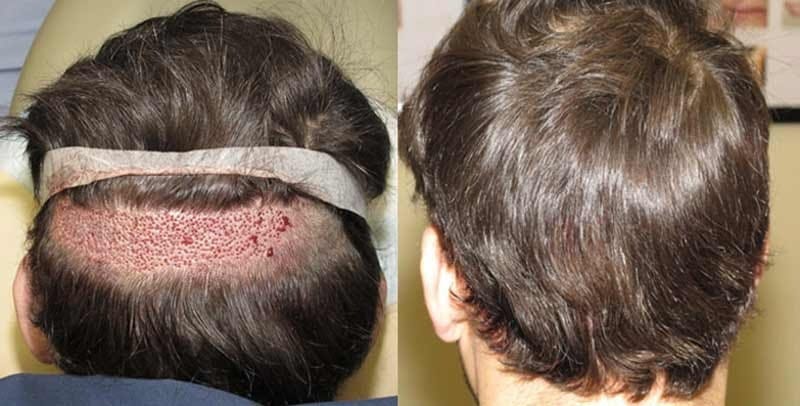


Dermatologists are physicians trained to diagnose and manage a variety of health conditions affecting the skin, hair, and nails. Clear communication with your dermatologist supports tailored care and provides you with reliable information about your ongoing skin health. Preparing specific questions encourages a productive appointment and helps address individual needs and concerns effectively.
What Aesthetic Services Do They Provide?
A dermatologist may offer a range of non-invasive and minimally invasive aesthetic procedures designed to address cosmetic concerns. Ask the practice which services are available, such as chemical peels and microdermabrasion. Both of which help remove damaged skin layers for a smoother texture. Many offices provide injectables, including neuromodulators like Botox that relax target muscles.
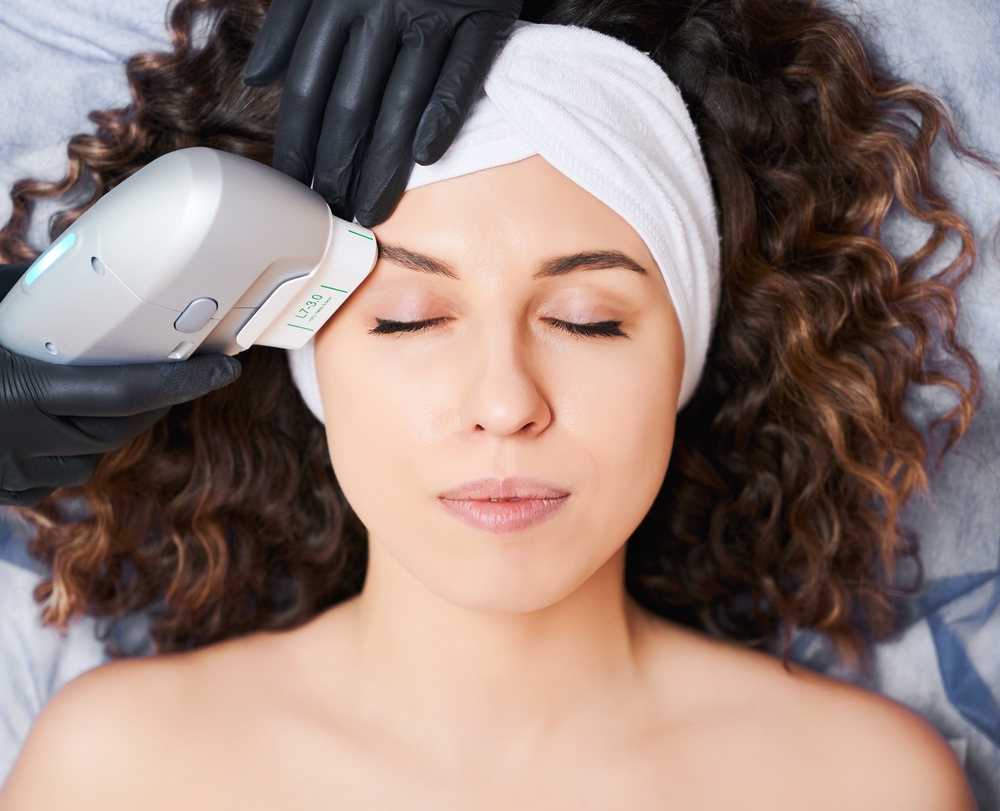
Laser treatments are commonly used to target issues like unwanted hair and tattoo removal. Confirm which types of lasers the office uses, since devices can be specialized for specific conditions and areas. Ask about treatment protocols, typical recovery times, and reasonable expectations for results.
What Conditions Can They Treat?
Dermatology encompasses a wide range of conditions affecting the skin, hair, and nails. Ask which conditions the dermatologist treats in their daily practice to understand their areas of expertise. Common issues include acne, for which treatment may involve prescription medications for various types. Eczema, psoriasis, and other chronic inflammatory disorders may be managed with either topical or systemic therapies.
Some skin conditions affect sweating, such as hyperhidrosis. Ask about prescription treatments like botulinum toxin injections for relief. For pediatric patients, inquire about the dermatologist’s experience with childhood skin disorders, such as warts or eczema, and ask about gentle treatment approaches suitable for young individuals. For nail problems, including fungal infections, request details about management strategies, especially if prior treatments have failed to resolve the issue.
Do They Treat Skin Cancer?
Early detection and management of skin cancer are significant aspects of long-term dermatological care. Ask the dermatologist about their skin cancer screening protocols. Routine full-body skin exams should involve inspection of the scalp, ears, between toes, and other often-overlooked areas. Ask how frequently screenings are advised for people with your skin type and family history of skin cancer.
If your dermatologist finds a concerning lesion, clarify how biopsies are performed and the process for receiving results. For confirmed non-melanoma skin cancer, check if the practice offers curettage or excision, effective techniques that remove cancerous tissue. For melanoma, discuss referrals or coordination with surgical oncologists when deeper or more advanced cancers are diagnosed. Ask about the tools they use for long-term monitoring of suspicious moles and their recommended intervals for follow-up visits.
Speak Further With a Dermatologist
A well-structured conversation with your dermatologist allows you to address both medical and cosmetic concerns effectively. Asking specific questions about available procedures, treatable conditions, and cancer care helps you make informed choices about your skin’s health. For each diagnosis or treatment plan, request written instructions and educational resources to support your care at home. If you have unique concerns or experience changing symptoms, schedule further visits for updated advice and tailored care.
Social Sharing
Your Content Goes Here
Latest Posts