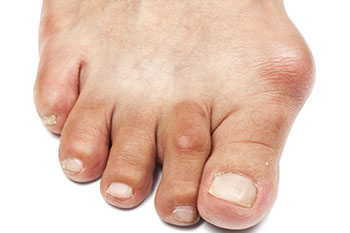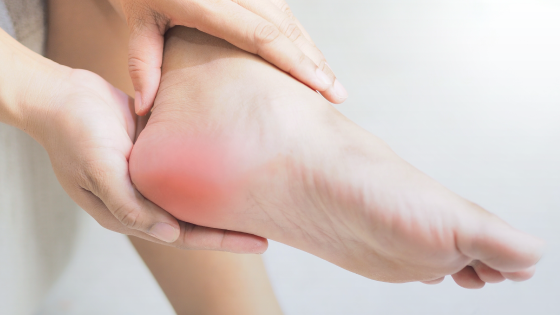


Persistent foot pain from ingrown toenails can turn a minor issue into serious discomfort. When the edge of the nail grows into the surrounding skin, it often causes redness and swelling. Understanding what to do when ingrown toenails become painful helps individuals take the right steps to relieve pain, prevent complications, and restore healthy, comfortable feet.
Recognizing Signs of Ingrown Toenails
Identifying ingrown toenails early is fundamental for preventing complications. Common signs include:
- Foot Pain and tenderness: Discomfort along one or both sides of the toenail, especially when pressure is applied.
- Redness around the nail: The skin surrounding the affected area becomes increasingly red or inflamed.
- Swelling: Noticeable puffiness develops around the toe near the ingrown nail.
- Signs of infection: This often includes discharge of pus, an increase in redness, or warmth around the toe.
If these symptoms persist or worsen, contemplate seeking prompt professional treatment to avoid further complications.
Relieving Pain With Home Remedies
For mild foot pain caused by an ingrown toenail, several safe home remedies can help alleviate discomfort and reduce inflammation. Here are some of them:
- Warm water soaks: Immerse the affected foot in warm water for a few minutes several times a day, to reduce swelling and soften the skin.
- Epsom salt soaks: Adding Epsom salt to the warm soak can provide further relief by drawing out impurities and soothing the area.
- Apply an antibiotic ointment: Use over-the-counter antibiotic creams to prevent infection and promote healing.
- Proper trimming of nails: Carefully trim the edges of the nail straight across to prevent further irritation.
- Wear proper footwear: Use open-toed or loose-fitting shoes to reduce pressure on the affected toe.
- Over-the-counter pain relief: Medications can help manage pain and reduce inflammation.
These remedies are most effective for mild cases. If the foot pain or symptoms do not improve within a few days, consult a healthcare professional for further evaluation and treatment.
Seeing a Specialist
It is fundamental to know when professional medical help is necessary for an ingrown toenail. You should schedule an appointment with a podiatrist if you experience severe foot pain or if the pain worsens despite home care. If you notice signs of an infection, such as pus or spreading redness, seek medical attention immediately.
Individuals with diabetes, nerve damage in the foot, or poor circulation should see a podiatrist immediately upon noticing an ingrown toenail. These conditions increase the risk of severe complications, so prompt treatment is fundamental. A foot specialist can provide safe and effective treatment to manage ingrown toenails and prevent future problems.
Preventing Future Foot Pain
Proper foot care is a helpful way to prevent ingrown toenails and the aching feet they cause. One effective prevention method is to cut your nails straight across and avoid rounding the corners of the nail. Wearing shoes that fit properly is another key preventive measure. Shoes that are too tight or narrow can crowd the toes, forcing the nail to grow into the skin. Choosing footwear that provides ample room for your toes will help reduce your risk of developing this painful condition.
Book Your Ingrown Toenails Appointment
An ingrown toenail can progress from a minor annoyance to a source of significant foot pain and potential infection. Recognizing the early signs and applying appropriate home care can be effective for mild cases, but professional evaluation is necessary for severe pain or signs of infection. If foot discomfort persists, contact a foot specialist near you to schedule an appointment for ingrown toenails today.
- What Is MASH Liver Disease? Symptoms, Causes, Stages, and Treatment
- Can Fatty Liver Disease Symptoms Appear Without Warning?
- Can Ulcers Cause Diarrhea? Causes, Symptoms, Treatment, and When to Get Help
- Does H. pylori Cause GERD? Understanding the Connection Between H. pylori and Acid Reflux
- How Does the Digestive and Circulatory System Work Together? A Simple Guide
Social Sharing
Your Content Goes Here
Latest Posts