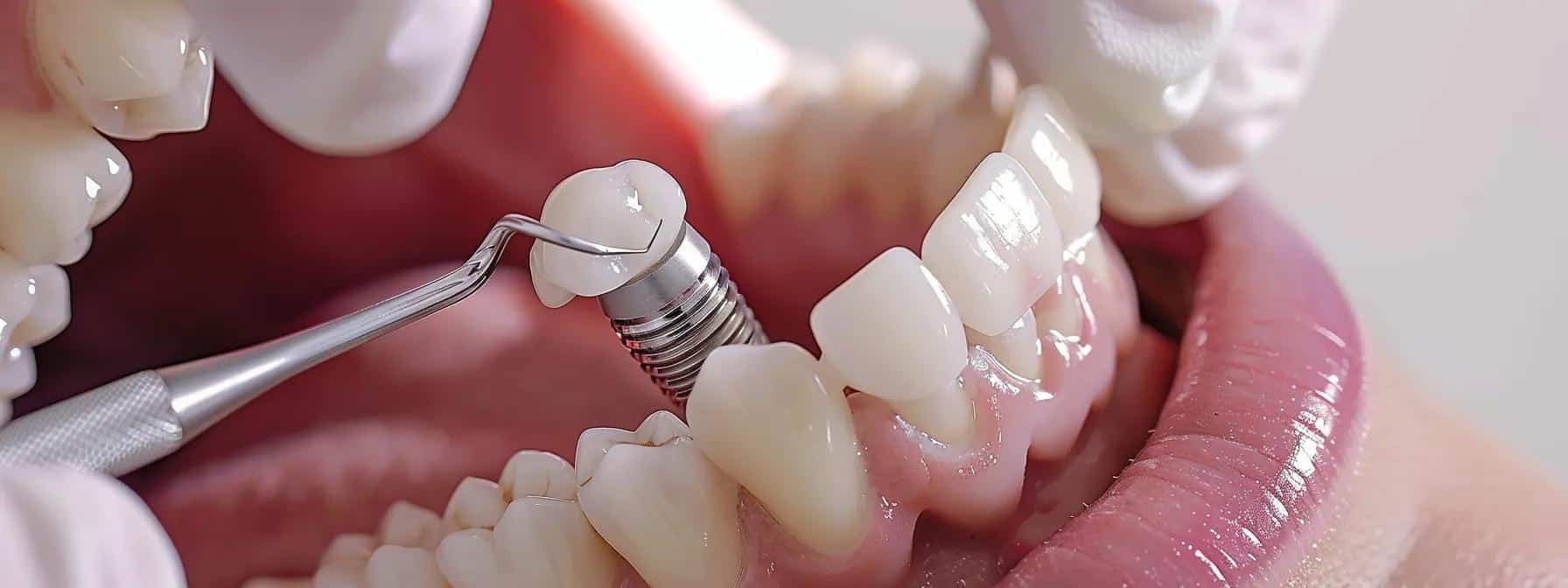

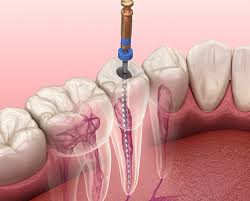
Root canal therapy addresses deep infection located within a tooth’s center structure. Because bacteria multiply rapidly in the pulp, the treatment targets the specific source of pain. Decay starts on the surface enamel, and it travels inward toward the nerve over time. Here is what to know about root canal procedures and how they can help you:
Restores Decayed Tooth
When a cavity goes untreated for months, the decay burrows deeper into the tooth. Dentists remove this damaged tissue carefully to stop the spread of harmful bacteria. The process cleans the area thoroughly, and it prepares the inner chamber for a filling. This procedure halts the destruction of the tooth structure before it compromises the root completely.
The structure weakens from the decay, but the root canal reinforces the remaining shell. While the infection is gone, the tooth requires a permanent seal to prevent future issues. A crown typically covers the restored tooth, and it provides necessary protection against chewing forces. This final step restores full function to the tooth after the interior treatment concludes.
Removes Pulp
The pulp contains nerves and blood vessels that keep the tooth alive during development. If the pulp becomes inflamed from trauma, the patient typically experiences severe sensitivity to temperature. The dentist accesses the inner chamber, and they extract the infected soft tissue quickly. Since the tooth is fully grown, it survives without the pulp inside the roots.
Instruments help clean the canals precisely. Because the space is narrow, the dentist uses magnification to locate every hidden channel. Antiseptic solution flushes debris away, and it eliminates lingering bacteria from the canal walls. The area must be sterile before the dentist places the permanent filling material inside.
After the material hardens, the interior is secure against potential reinfection risks. The seal is tight, yet the dentist checks for any gaps using digital imaging. X-rays confirm the procedure’s success, so the patient leaves with confidence in the result. The body heals the surrounding tissues naturally once the source of infection disappears.
Helps Avoid Extractions
Extraction removes the entire tooth from the jawbone permanently. Since natural teeth function more effectively for chewing, keeping the original tooth is typically the primary goal. Patients may prefer retention, so they choose root canal therapy instead of complete removal. Preserving the natural alignment of teeth prevents bite issues that occur after a loss.
Saves Tooth
Specific symptoms point to an internal infection that requires professional attention. Since artificial teeth differ from natural ones, saving the original tooth is beneficial for health. The dentist examines the area, and they look for these common clinical signs:
- Severe toothache upon chewing or pressure
- Prolonged sensitivity to hot temperatures
- Discolored tooth structure
- Swollen areas and tenderness in nearby gum tissue
Modern dentistry aims to save teeth, and outcomes are generally positive for most standard cases.
Schedule a Root Canal Today
If you experience dental pain, delay only worsens the condition of the infected tooth. Contact a dental clinic immediately, and they can schedule an appointment for an examination. They examine your teeth, and a dentist can create a plan for immediate relief and restoration.
Social Sharing
Your Content Goes Here
Latest Posts