
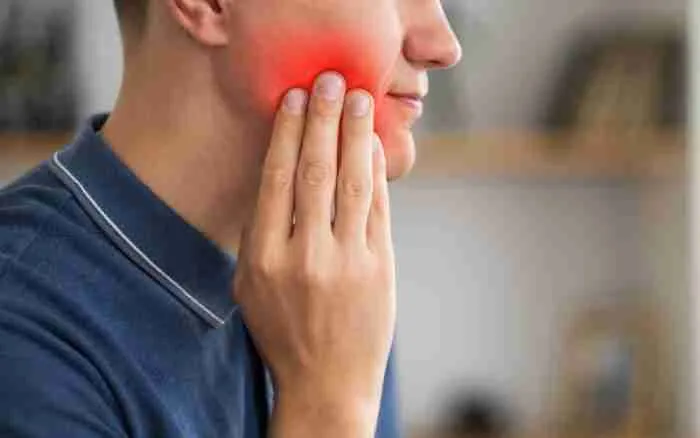
Knowing when to seek emergency dental care can protect your health and prevent a minor dental issue from becoming a serious complication. Certain symptoms may signal an urgent problem that requires prompt evaluation and treatment. Acting quickly reduces the risk of infection, relieves pain, and improves the chances of saving a tooth. Here are common situations where emergency dental care is recommended:
Identifying Signs of Dental Emergencies
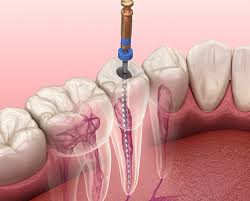
Certain dental problems require immediate emergency dental care, and recognizing these situations helps you act quickly and avoid complications. A knocked-out permanent tooth is a true dental emergency. The tooth may be saved if you receive treatment within an hour. Severe, unrelenting tooth pain signals a serious problem. The pain may stem from an infection, abscess, or deep decay.
Uncontrolled bleeding from the mouth requires prompt care. Minor bleeding may stop with gentle pressure, but persistent bleeding lasting more than a few minutes requires professional evaluation. This could indicate a deep cut, damaged tissue, or other trauma. An oral abscess appears as a painful, swollen area filled with pus. Abscesses develop from bacterial infections and can spread to other parts of the body if left untreated.
Handling Tooth Trauma
Not every broken or chipped tooth requires emergency dental care. Here are some urgent dental situations:
- Large fractures exposing the tooth’s inner layers: Deep cracks or breaks that reach the pulp cause severe pain and increase the risk of infection.
- Sharp edges cutting your tongue, cheek, or lips: Jagged tooth fragments can cause soft tissue damage and bleeding.
- Complete tooth loss from impact: A fully dislodged tooth needs immediate reinsertion for the best chance of survival.
- Teeth shifted out of normal position: Misaligned teeth from trauma may affect your bite and cause ongoing problems.
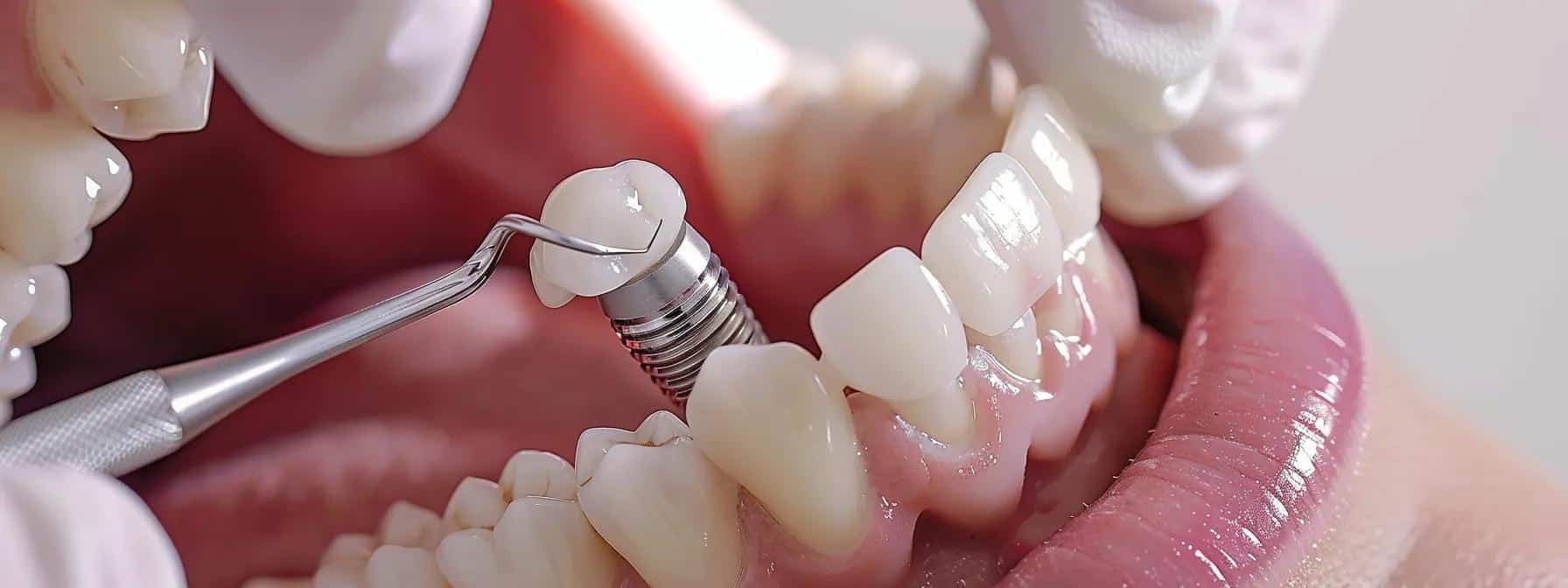
- Damaged dental restorations causing pain: A broken crown, bridge, or filling that exposes sensitive tooth structure requires prompt repair.
Small chips without pain or sensitivity can wait for a regular dental appointment. Cover any sharp edges with dental wax until you see your dentist.
Choosing ER Care
Some situations require hospital emergency room care before dental treatment. Jaw fractures need immediate medical attention; signs include severe pain, difficulty opening or closing your mouth, and facial swelling. An ER can perform X-rays and provide key stabilization.
Difficulty breathing or swallowing indicates a potentially life-threatening situation; severe swelling from a dental infection can block your airway. Uncontrolled bleeding that doesn’t stop after several minutes of pressure needs ER evaluation. Deep lacerations may require stitches, and excessive blood loss can be dangerous. High fever with facial swelling suggests a serious infection spreading beyond the tooth. Seek medical care immediately if you have a high fever combined with dental pain and swelling.
Taking the Right steps
Taking the right steps before reaching the dentist can reduce pain and improve treatment outcomes:
- Rinse your mouth with warm water: This cleans the area and removes debris without causing further damage.
- Apply cold compresses to reduce swelling: Place ice wrapped in a cloth on the outside of your face for a few minutes at a time.
- Save any broken tooth pieces: Bring them with you to your appointment for possible reattachment.
- Keep a knocked-out tooth moist: Store it in milk, saliva, or a tooth preservation solution until you reach the dentist.
Contact your dental office immediately to explain the situation. Some practices offer same-day emergency appointments and can provide further guidance over the phone.
Book Your Emergency Dental Care Appointment
Understanding when to seek emergency dental care protects your oral health and prevents permanent damage. Knocked-out teeth, severe pain, uncontrolled bleeding, and oral abscesses all require immediate professional attention. Contact a qualified emergency dentist near you to book your same-day dental care appointment today.
Social Sharing
Your Content Goes Here
Latest Posts