

Pregnancy is the period in which a fetus develops inside a woman’s uterus. This process typically lasts about 40 weeks, or just over 9 months, as measured from the last menstrual period to delivery. Understanding the initial signs of pregnancy and the steps to confirm you’re pregnant is fundamental for early and appropriate prenatal care. Here’s information on how to know you’re pregnant and when to start visits with an obstetrician:
How To Know You’re Pregnant
The earliest indications of pregnancy vary between individuals, and some may not experience any symptoms at first. One of the most common and recognizable signs is a missed menstrual period. If your cycle is regular, a delay may signal that you are possibly pregnant.
Other physical changes may also occur, but other conditions can also cause these symptoms. Their presence does not definitively confirm a pregnancy. Some symptoms that may indicate you are pregnant include:
- Nausea: Often referred to as “morning sickness,” this can happen at any time of the day or night.
- Tender, Swollen Breasts: Hormonal changes early in pregnancy can make breasts feel sensitive or sore.
- Increased Fatigue: High levels of the hormone progesterone can contribute to feelings of tiredness and exhaustion.
- Frequent Urination: The amount of blood in your body increases during pregnancy, causing your kidneys to process extra fluid that ends up in your bladder.
- Food Aversions or Cravings: You might find yourself becoming more sensitive to certain smells and tastes.
When To Take a Test
If you suspect you may be pregnant, the next step is to take a pregnancy test. These tests work by detecting the presence of the human chorionic gonadotropin (hCG) hormone, which the body produces after a fertilized egg attaches to the wall of the uterus. There are two primary types of pregnancy tests:
- At-home Tests
- Medical Tests
At-home tests are urine tests that are widely available at pharmacies and are accurate when used correctly. For the most reliable result, it is often recommended to take the test one week after a missed period. Following the package instructions carefully is key for accuracy. For medical tests, a healthcare provider can conduct blood tests to detect pregnancy. Blood tests can identify hCG earlier than urine tests and can also measure the specific amount of the hormone in your blood, which can provide more information about the pregnancy.
When To Visit an Obstetrician
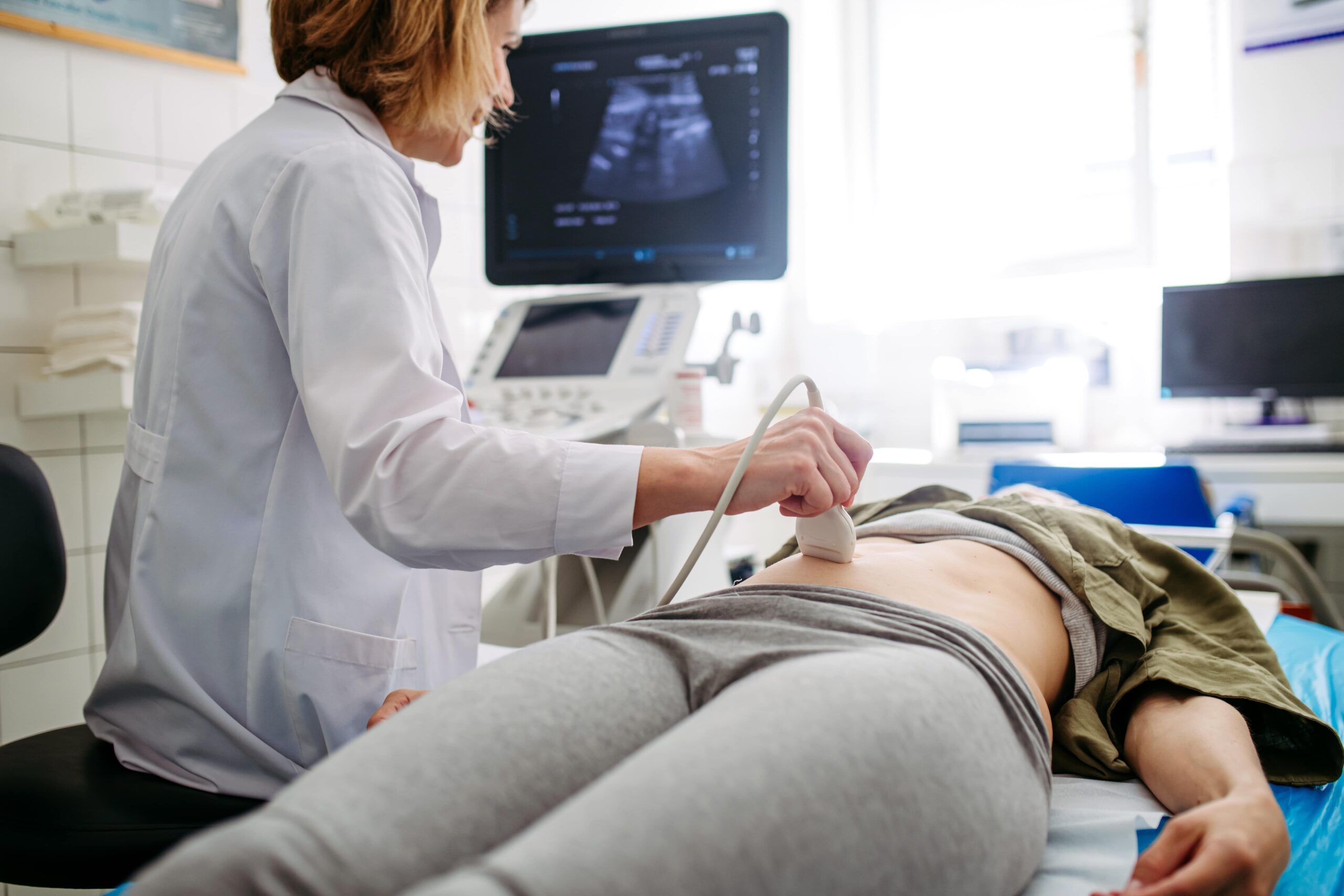
After receiving a positive result from an at-home pregnancy test, it is time to schedule an appointment with an obstetrician. An obstetrician is a physician who specializes in childbirth and a woman’s reproductive system. This initial visit is fundamental for confirming pregnancy and establishing a plan for prenatal care. You should also contact a provider if you have missed a period or are experiencing persistent pregnancy-like symptoms, even with a negative at-home test result. A medical professional can help determine the cause of your symptoms and perform more testing if needed.
Schedule a Pregnancy Appointment
Confirming a pregnancy and initiating care with a qualified health professional are the foundational steps for a healthy pregnancy plan. An obstetrician will provide guidance, monitor the health of you and the developing fetus, and answer any questions you may have. If you think you are pregnant, schedule your first obstetrics appointment today and start your comprehensive support.
- What Is MASH Liver Disease? Symptoms, Causes, Stages, and Treatment
- Can Fatty Liver Disease Symptoms Appear Without Warning?
- Can Ulcers Cause Diarrhea? Causes, Symptoms, Treatment, and When to Get Help
- Does H. pylori Cause GERD? Understanding the Connection Between H. pylori and Acid Reflux
- How Does the Digestive and Circulatory System Work Together? A Simple Guide
Social Sharing
Your Content Goes Here
Latest Posts