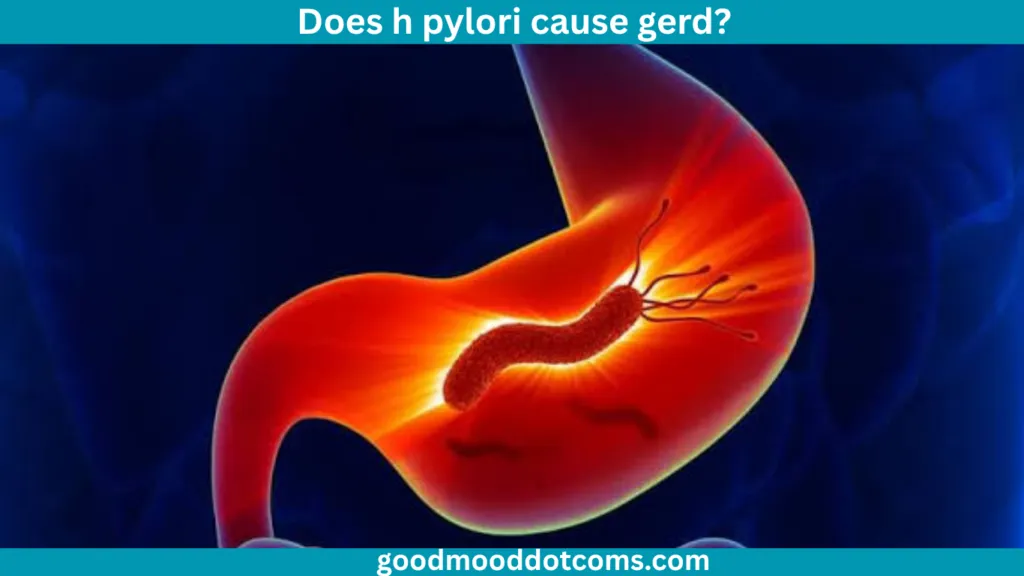
If you have been diagnosed with H. pylori and also experience heartburn, acid reflux, chest discomfort, burping, or a sour taste in your mouth, you may wonder, “Does H pylori cause GERD?”
The short answer is that H. pylori is not considered a direct cause of gastroesophageal reflux disease, commonly called GERD. The relationship between H. pylori and GERD is complicated, and research has produced mixed results over the years.
H. pylori is a type of bacteria that can live in the stomach. It can cause inflammation of the stomach lining and is strongly linked with conditions such as gastritis, peptic ulcers, and an increased risk of stomach cancer. GERD, on the other hand, happens when stomach contents repeatedly move back into the esophagus. These are different conditions, even though they can cause some symptoms that feel similar.
Interestingly, research has found that people who have H. pylori may sometimes have a lower risk of developing certain forms of reflux disease. Some studies have also found that GERD or reflux esophagitis can become more common after H. pylori is successfully eliminated. A recent 2025 systematic review and meta-analysis found an association between H. pylori eradication and increased GERD risk, particularly reflux esophagitis.
That does not mean H. pylori is beneficial or that you should leave an infection untreated. H. pylori can cause serious stomach problems, and current American guidelines recommend treating confirmed infection.
The important point is to understand the difference between H. pylori infection, stomach inflammation, acid reflux, and GERD.
What Is H. pylori?
H. pylori is short for Helicobacter pylori. It is a bacterium that can infect the stomach lining.
Many people with H. pylori do not have obvious symptoms. The infection can remain in the stomach for years without causing noticeable problems.
In other people, H. pylori causes inflammation known as gastritis. It can also contribute to peptic ulcers. Long-term infection is associated with an increased risk of gastric cancer, which is one reason healthcare professionals take a confirmed H. pylori infection seriously.
H. pylori is different from the bacteria that normally live in the intestines. It has special features that help it survive in the acidic environment of the stomach.
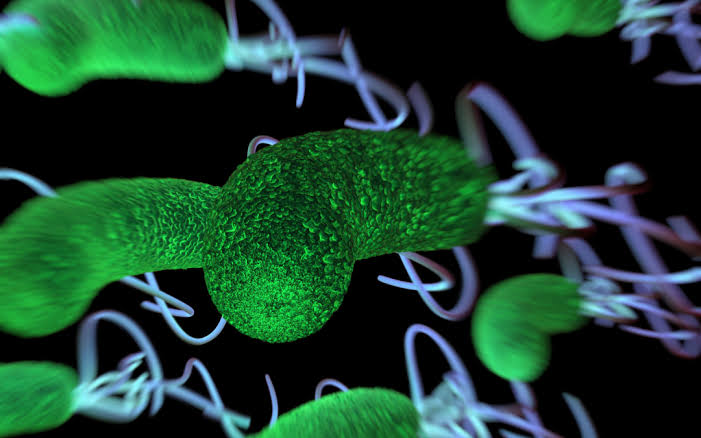
One of these features is the production of an enzyme called urease. This helps the bacteria survive stomach acid and remain close to the stomach lining.
Also read:How Does the Digestive and Circulatory System Work Together? A Simple Guide
H. pylori can also affect the stomach’s normal acid environment and inflammatory processes. Because stomach acid plays an important role in GERD, researchers have spent many years studying whether H. pylori infection changes the likelihood of acid reflux.
The answer is not as simple as saying that H. pylori increases or decreases stomach acid in every person.
What Is GERD?
GERD stands for gastroesophageal reflux disease.
It occurs when stomach contents repeatedly flow backward into the esophagus, the tube that carries food from your mouth to your stomach.
The esophagus is not designed to handle repeated exposure to stomach contents. When reflux happens frequently, it can cause irritation and inflammation.
Common GERD symptoms include:
- Heartburn
- Acid reflux
- A sour or bitter taste in the mouth
- Regurgitation of food or liquid
- Burning in the chest
- Symptoms that become worse after eating
- Symptoms that become worse when lying down
- Trouble swallowing
- A feeling that food is stuck in the throat
- Chronic cough in some people
- Hoarseness or throat irritation in some people
Not everyone with GERD experiences classic heartburn.
Some people mainly have regurgitation, throat symptoms, coughing, or swallowing problems. This is one reason GERD can sometimes be confused with other digestive conditions.
So, Does H pylori Cause GERD?
Based on current evidence, H. pylori should not be considered a direct cause of GERD.
GERD usually develops because of problems involving the lower esophageal sphincter, the movement of stomach contents, pressure within the abdomen, the stomach’s anatomy, and other factors.
The lower esophageal sphincter is a muscle located between the esophagus and stomach. Normally, it opens to allow food into the stomach and then closes to reduce backward movement.
When this barrier does not work properly, reflux can occur.
Other factors can also contribute to GERD, including excess body weight, certain foods, large meals, pregnancy, smoking, certain medications, and a hiatal hernia.
H. pylori affects the stomach in a different way.
It causes infection and inflammation in the stomach lining. Depending on where and how the infection affects the stomach, it can change acid production and other aspects of stomach function.
This is why scientists have investigated whether H. pylori indirectly affects GERD.
The most accurate conclusion is that H. pylori and GERD can occur in the same person, but having H. pylori does not automatically mean that you have GERD or that H. pylori caused your GERD.
Why Do H. pylori and GERD Sometimes Occur Together?
H. pylori infection and GERD are both common digestive problems.
It is therefore possible for someone to have both conditions at the same time without one directly causing the other.
For example, a person may have H. pylori-related gastritis and also have reflux caused by a weak lower esophageal sphincter.
The symptoms can overlap.
H. pylori can cause upper abdominal discomfort, nausea, bloating, burping, and indigestion. GERD can cause heartburn, regurgitation, chest burning, and a sour taste.
Because symptoms overlap, it can be difficult to know which condition is responsible for a particular symptom without proper evaluation.
This is an important reason not to assume that every stomach symptom is caused by acid reflux.
Can H. pylori Cause Heartburn?
H. pylori is not considered a primary cause of heartburn.
Heartburn is one of the most common symptoms of GERD and usually occurs when stomach contents move into the esophagus.
However, H. pylori-related gastritis can cause discomfort in the upper abdomen that some people may describe as burning.
This creates an important distinction.
A burning feeling in the upper abdomen does not always mean GERD.
For example, gastritis, peptic ulcers, functional dyspepsia, and GERD can all produce upper digestive symptoms.
The location, timing, triggers, and associated symptoms can provide clues, but testing may be needed to determine the actual cause.
Can H. pylori Cause Acid Reflux?
There is no strong evidence that H. pylori directly causes acid reflux in the same way that problems with the lower esophageal sphincter can.
However, H. pylori can influence the stomach’s acid-producing cells and change the stomach environment.
This is one reason the relationship has been difficult to understand.
H. pylori can cause different patterns of stomach inflammation in different people. Some infections are associated with increased acid production, while more extensive stomach inflammation can be associated with reduced acid production.
Because people respond differently to H. pylori, it would be misleading to say that the infection always increases or always decreases stomach acid.
This variation may partly explain why studies have produced different findings.
Does H. pylori Protect Against GERD?
This is one of the most interesting parts of the H. pylori and GERD relationship.
Some research suggests that H. pylori infection may be associated with a lower risk of certain types of GERD.
A 2025 systematic review that evaluated studies through May 2024 found an inverse association between H. pylori infection and GERD, although the confidence interval around that estimate was wide. The same review found a higher risk of GERD after H. pylori eradication.
Older research has also reported similar findings.
However, an association does not prove that H. pylori protects the esophagus from reflux.
There may be several explanations.
H. pylori changes the stomach’s acid environment. It also changes stomach inflammation and other physiological processes. Some people with long-term H. pylori infection develop stomach changes that can reduce acid production.
Lower acid exposure may reduce some forms of reflux-related injury.
But this does not mean H. pylori is good for your health.
The same infection can increase the risk of ulcers and stomach cancer.
This is a key medical distinction: something that appears to be associated with a lower risk of one disease does not automatically make it healthy overall.
Can Treating H. pylori Cause GERD?
This is where the evidence becomes especially interesting.
Several studies have investigated whether people develop GERD after H. pylori is successfully eradicated.
Some research has found an increased risk of reflux esophagitis after eradication.
For example, a meta-analysis of 27 studies found that H. pylori eradication was associated with an increased risk of endoscopic reflux esophagitis, while it did not find a significant increase in reflux-related symptoms.
Another meta-analysis of randomized controlled trials found an increased risk of developing erosive GERD after eradication, although it did not find that eradication significantly changed GERD-related symptoms or the healing and relapse of pre-existing GERD.
More recent evidence has continued to support the possibility of an association.
A 2025 meta-analysis found that H. pylori eradication was associated with a higher risk of GERD, with an even stronger association when reflux esophagitis was considered specifically.
This sounds surprising, but it does not mean that treating H. pylori is a mistake.
Should You Avoid H. pylori Treatment Because of GERD?
No.
A person with confirmed H. pylori infection should not avoid treatment simply because of concern about GERD.
H. pylori is a recognized cause of peptic ulcer disease and is associated with gastric cancer. The American College of Gastroenterology’s 2024 guideline recommends treatment for confirmed H. pylori infection and emphasizes confirming eradication after treatment.
The possible relationship between H. pylori eradication and GERD is not a reason to leave an infection untreated.
Instead, the better approach is to treat the H. pylori infection appropriately and manage reflux separately if reflux symptoms occur.
This is an important practical point.
H. pylori and GERD should not be viewed as an either-or situation.
A person can need treatment for H. pylori and also need treatment or lifestyle changes for GERD.
Why Might GERD Appear After H. pylori Treatment?
Scientists are still studying the exact explanation.
One possible reason is that H. pylori can change the stomach’s acid-producing environment.
If long-term infection has reduced acid production in some patients, successful eradication may allow stomach acid levels to change over time.
More acid reaching the esophagus could potentially increase the likelihood of reflux-related injury in susceptible people.
Another possibility is that H. pylori changes the stomach’s normal physiology in ways that affect reflux.
There may also be differences between people based on genetics, diet, body weight, anatomy, smoking, medication use, age, and other factors.
This is why it would be too simplistic to say:
“H. pylori treatment causes GERD.”
A more accurate statement is:
“Some studies have found an increased risk of GERD or reflux esophagitis after H. pylori eradication, but this does not mean that every person treated for H. pylori will develop GERD.”
Does H. pylori Eradication Make Existing GERD Worse?
Not necessarily.
This is another area where it is important to distinguish between developing new reflux disease and changing symptoms in people who already have GERD.
Some studies have found that eradication may increase the occurrence of endoscopic reflux esophagitis.
However, research has not consistently shown that H. pylori treatment makes existing GERD symptoms worse.
One meta-analysis found no significant difference in GERD-related symptom development after eradication, even though reflux esophagitis was more common in some analyses.
Another meta-analysis found that H. pylori eradication did not significantly change healing or relapse rates in people who already had GERD.
This tells us something important.
Symptoms and visible inflammation are not always the same thing.
A person can have reflux-related changes seen during an endoscopy without experiencing dramatic heartburn. Another person can have significant symptoms without visible erosive damage.
Doctors therefore consider the whole clinical picture rather than relying on one symptom.
What Are the Symptoms of H. pylori?
Many people with H. pylori have no symptoms.
When symptoms occur, they may include:
- Upper abdominal discomfort
- Burning or aching in the upper abdomen
- Bloating
- Frequent burping
- Nausea
- Feeling full quickly
- Loss of appetite
- Indigestion
- Unexplained weight loss in more concerning cases
H. pylori can also contribute to peptic ulcers.
A stomach ulcer may cause upper abdominal pain that can come and go or become worse or better depending on meals.
These symptoms can overlap with GERD, which is why symptoms alone cannot reliably tell you whether H. pylori is present.
What Are the Symptoms of GERD?
GERD commonly causes:
- Heartburn
- Acid coming back into the throat or mouth
- Sour taste
- Regurgitation
- Burning behind the breastbone
- Symptoms after large meals
- Symptoms when lying down
- Nighttime reflux
- Difficulty swallowing
- Throat irritation
- Chronic cough in some people
- Hoarseness in some people
Some people have mild symptoms, while others have frequent symptoms that affect sleep, eating, work, or daily life.
Persistent symptoms should not simply be ignored.
How Is H. pylori Diagnosed?
Doctors can test for H. pylori in several ways.
Common noninvasive tests include the urea breath test and stool antigen test.
Blood tests may also detect antibodies, but they can be less useful for determining whether an infection is currently active because antibodies can remain after the infection has been treated.
During an upper endoscopy, a doctor can also collect stomach tissue for testing.
The best test depends on the person’s symptoms, medical history, medications, and reason for testing.
If H. pylori has been treated, confirming that the infection is gone is important.
The 2024 American College of Gastroenterology guideline emphasizes test-of-cure testing after treatment.
Can GERD Be Diagnosed Without an Endoscopy?
Often, yes.
Many people with typical GERD symptoms can initially be evaluated based on their symptoms and medical history.
A doctor may recommend an acid-suppressing medicine for an appropriate period when the clinical situation supports that approach.
Endoscopy may be recommended when there are alarm symptoms, symptoms that do not respond to appropriate treatment, suspected complications, or other reasons to examine the esophagus and stomach.
An endoscopy can help identify conditions such as erosive esophagitis, Barrett’s esophagus, ulcers, or other abnormalities.
The right approach depends on the individual patient.
What Happens If You Have Both H. pylori and GERD?
Having both conditions is possible.
The treatment plan usually needs to address both problems rather than assuming that one treatment will solve everything.
If H. pylori is confirmed, it should generally be treated according to current medical recommendations.
If GERD is also present, lifestyle changes and acid-reducing treatment may be considered depending on symptom severity and medical history.
This is one of the most important practical lessons from the research.
Treating H. pylori does not automatically cure GERD.
Likewise, treating GERD does not eliminate H. pylori.
They are separate conditions that can exist together.
Can H. pylori Treatment Reduce Stomach Problems?
Yes.
Successful H. pylori treatment can reduce the risk associated with the infection and is an important part of managing H. pylori-related disease.
Modern treatment often involves multiple medicines rather than a single antibiotic.
The 2024 American College of Gastroenterology guideline recommends specific eradication regimens based on factors such as previous antibiotic exposure and antibiotic susceptibility. For treatment-naive patients when susceptibility is unknown, optimized bismuth quadruple therapy for 14 days is a preferred option.
Treatment should be selected by a healthcare professional.
People should not attempt to create their own antibiotic combination or use leftover antibiotics.
Antibiotic resistance is one of the major challenges in H. pylori treatment.
Why Antibiotic Resistance Matters
H. pylori treatment can fail when the bacteria are resistant to one or more antibiotics.
This is one reason treatment recommendations have changed over time.

A combination that worked well years ago may not be the best choice for everyone today.
Previous antibiotic use can also influence which treatment is appropriate.
Also read:How to Starve Bad Gut Bacteria? A Science-Based Guide to Better Gut Health
For example, if a person has previously taken certain antibiotics, a doctor may avoid using the same drugs in an H. pylori treatment regimen.
This is another reason why professional evaluation is important.
Can Acid-Reducing Medicines Affect H. pylori?
Acid-suppressing medicines can be very useful for GERD, but they can also affect H. pylori testing.
Proton pump inhibitors, often called PPIs, reduce stomach acid.
Because certain H. pylori tests depend on detecting active infection, acid suppression can sometimes contribute to inaccurate results.
For this reason, patients may be instructed to stop certain medicines for an appropriate period before testing, but they should follow their healthcare professional’s instructions rather than stopping prescribed medicine on their own.
The exact preparation depends on the test being used.
Does Treating H. pylori Cure Acid Reflux?
Usually, H. pylori treatment should not be viewed as a treatment for GERD.
Some older studies suggested that H. pylori eradication might improve reflux symptoms in certain people, while other studies found no meaningful effect.
The overall evidence does not support treating H. pylori specifically as a way to cure GERD.
If someone has confirmed H. pylori, the infection should be treated for the health reasons associated with H. pylori.
If the person also has GERD, the reflux should be evaluated and treated separately.
This approach is more consistent with current evidence than trying to use H. pylori treatment as a reflux treatment.
What Can Make GERD Worse?
Many factors can increase reflux symptoms.
Common triggers include:
- Large meals
- Eating shortly before lying down
- Excess body weight
- Alcohol
- Smoking
- Certain high-fat meals
- Chocolate in some people
- Coffee in some people
- Spicy foods in some people
- Certain medications
- Pregnancy
- Hiatal hernia
Not every trigger affects every person.
A useful approach is to pay attention to your own pattern rather than creating a long list of foods that you must permanently avoid.
For example, if coffee causes symptoms but tomatoes do not, there is usually little reason to stop eating tomatoes simply because they appear on a general GERD food list.
Personal triggers matter.
Can Losing Weight Help GERD?
For people with overweight or obesity, weight loss can improve GERD symptoms.
Extra abdominal pressure can contribute to reflux by increasing pressure around the stomach and affecting the movement of stomach contents.
Weight management should be approached in a healthy and sustainable way.
Even modest changes can be useful for some people.
However, not everyone with GERD is overweight.
Thin people can also develop GERD, particularly when other factors such as a hiatal hernia or lower esophageal sphincter dysfunction are present.
Can Sleeping Position Affect GERD?
Yes.
Some people experience more reflux when lying flat.
If nighttime GERD is a problem, raising the upper part of the bed can help reduce nighttime reflux for some people.
Simply adding several pillows may not provide the same effect because the body can bend at the waist.
It can also help to avoid eating large meals shortly before going to bed.
The timing needed can vary, but many people benefit from leaving several hours between their evening meal and lying down.
Is H. pylori the Same as Gastritis?
No.
H. pylori is a bacterial infection.
Gastritis means inflammation of the stomach lining.
H. pylori is one possible cause of gastritis, but it is not the only cause.
Other causes can include certain medications, alcohol, autoimmune conditions, and other forms of irritation or inflammation.
A person can therefore have gastritis without H. pylori.
Likewise, someone can have H. pylori without severe symptoms.
Is H. pylori the Same as GERD?
No.
H. pylori is an infection.
GERD is a chronic reflux condition involving the backward movement of stomach contents into the esophagus.
The two conditions involve different parts of the digestive system and have different mechanisms.
They can occur together, but one should not automatically be blamed for the other.
What Does Current Research Really Tell Us?
The most useful way to understand the research is to separate three different questions.
First, does H. pylori directly cause GERD?
Current evidence does not support a simple direct-cause relationship.
Second, can H. pylori infection be associated with a lower risk of some forms of reflux disease?
Some studies suggest this may occur.
Third, can successful eradication of H. pylori be followed by a higher risk of reflux esophagitis?
Several meta-analyses suggest that it can, although the size and clinical importance of this effect vary between studies.
This distinction is important because it prevents an easy but incorrect conclusion.
H. pylori is not a treatment for GERD.
And treating H. pylori is still recommended when infection is confirmed.
The possible increase in reflux after eradication should be considered in context rather than used as a reason to avoid treatment.
Why Different Studies Have Different Results
Medical research does not always produce one consistent answer.
H. pylori studies can differ in several important ways.
Researchers may study different populations, different ages, different regions, different H. pylori strains, different definitions of GERD, and different lengths of follow-up.
Some studies measure symptoms.
Others measure reflux using endoscopy.
These are not identical outcomes.
For example, a person may have reflux esophagitis visible during an endoscopy without having severe heartburn.
Other studies may focus only on symptoms and find no meaningful change.
A recent systematic review illustrates this complexity: it found a higher risk of GERD after eradication but also noted differences depending on the outcome being measured.
This is why the strongest answer is not simply “yes” or “no.”
Does Everyone Develop GERD After H. pylori Treatment?
No.
Most people treated for H. pylori do not automatically develop clinically important GERD.
The research describes an increased risk at the population level in some studies. It does not mean that every individual will experience reflux after eradication.
A person’s baseline risk matters.
If someone already has obesity, a hiatal hernia, frequent large meals, smoking exposure, or other GERD risk factors, reflux may be more likely regardless of H. pylori status.
This is an important distinction between relative risk and individual outcome.
A statistical association in a study cannot predict exactly what will happen to one person.
When Should You See a Doctor?
You should speak with a healthcare professional if heartburn or acid reflux happens frequently, interferes with sleep, affects eating, or continues despite appropriate lifestyle changes.
Also read:Can Stomach Ulcers Cause Gas? What the Link Means for Your Gut Health
You should also seek medical evaluation for symptoms such as difficulty swallowing, painful swallowing, unexplained weight loss, persistent vomiting, vomiting blood, black stools, anemia, or severe or unusual chest pain.
Chest pain should not automatically be assumed to be GERD.
Heart-related conditions can also cause chest pain and require urgent evaluation.
If symptoms are severe, new, or concerning, seek appropriate medical care rather than trying to diagnose the cause yourself.
Can GERD Damage the Esophagus?
Yes.
Frequent exposure to stomach contents can irritate and damage the esophageal lining.
This can lead to reflux esophagitis.
In some people, long-term GERD is associated with Barrett’s esophagus, a condition involving changes in the lining of the lower esophagus.
Barrett’s esophagus does not mean that a person has cancer, but it can increase the risk of esophageal adenocarcinoma.
This is one reason persistent GERD should not simply be ignored.
Appropriate evaluation helps determine whether symptoms are uncomplicated reflux or something requiring additional testing.
Does H. pylori Increase the Risk of Stomach Cancer?
Yes.
Long-term H. pylori infection is an established risk factor for gastric cancer.
It can cause chronic inflammation and changes in the stomach lining over time.
This is one of the major reasons current medical guidelines recommend treating confirmed H. pylori infection.
Therefore, the possibility that H. pylori eradication may be associated with some increased reflux risk should not overshadow the established benefits of eliminating the infection when treatment is indicated.
The goal is not to keep H. pylori because it might reduce reflux.
The goal is to treat the infection appropriately and manage GERD if it occurs.
What Should You Do If You Have H. pylori and GERD?
Start by getting both conditions clearly evaluated.
If H. pylori has been confirmed, follow the treatment plan recommended by your healthcare professional.
Take every medication exactly as directed.
Do not stop antibiotics early because you feel better.
After treatment, complete the recommended test to confirm that the infection has been eradicated.
If GERD symptoms continue, discuss them separately with your healthcare professional.
Simple changes may help, including eating smaller meals, avoiding personal trigger foods, staying upright after meals, avoiding meals close to bedtime, maintaining a healthy weight when appropriate, and avoiding smoking.
Medication may also be appropriate depending on the severity and frequency of symptoms.
The important thing is not to assume that one diagnosis explains everything.
A Simple Way to Understand H. pylori and GERD
Think of the stomach and esophagus as two connected but different areas.
H. pylori mainly affects the stomach.
GERD mainly involves the movement of stomach contents into the esophagus.
H. pylori can change the stomach environment, including acid-related processes.
GERD depends heavily on the barrier between the stomach and esophagus and other physical and physiological factors.
Because these systems are connected, changes in one can potentially influence the other.
But that does not mean H. pylori directly causes GERD.
This is the simplest way to understand the current evidence.
Final Thoughts
So, does H pylori cause GERD?
The best answer is no, not in a simple direct sense. H. pylori is a stomach infection that can cause gastritis, peptic ulcers, and other important stomach problems, while GERD is a condition in which stomach contents repeatedly flow backward into the esophagus. The two conditions can occur together, but H. pylori is not considered a direct cause of GERD.
The relationship becomes more interesting after H. pylori treatment. Several studies have found that successful eradication may be associated with an increased risk of reflux esophagitis or newly diagnosed GERD in some people. However, this does not mean that everyone develops reflux after treatment, and it does not mean that H. pylori should be left untreated. Current medical guidance continues to recommend appropriate treatment for confirmed H. pylori infection.
The most practical approach is to treat H. pylori when it is present and manage GERD separately when reflux symptoms occur. If you have persistent heartburn, swallowing problems, unexplained weight loss, vomiting, bleeding, or severe chest pain, professional medical evaluation is important.
Frequently Asked Questions About H. pylori and GERD
Can H. pylori cause heartburn after treatment?
Some people may develop or notice reflux symptoms after H. pylori eradication, but this does not happen to everyone. Research has found a stronger association with reflux esophagitis than with reflux symptoms themselves.
Can H. pylori cause a sour taste in the mouth?
A sour or bitter taste is more commonly associated with acid reflux or regurgitation. H. pylori itself can cause indigestion and upper abdominal symptoms, but a sour taste alone does not prove that H. pylori is responsible.
Can H. pylori cause throat irritation?
H. pylori is not considered a direct cause of chronic throat irritation. Throat symptoms can occur with reflux, allergies, infections, postnasal drainage, or other conditions. If throat symptoms continue, the underlying cause should be evaluated.
Can GERD medicine make H. pylori worse?
Acid-suppressing medicines can affect the stomach environment and may influence some H. pylori testing results. If you need H. pylori testing, tell your healthcare professional about all medicines you take so the test can be interpreted correctly.
Can H. pylori come back after treatment?
H. pylori can persist if treatment does not successfully eliminate it, which is why confirming eradication after treatment is important. Reinfection can also occur, although the likelihood varies by person and setting. If symptoms return after treatment, testing may be appropriate rather than assuming that the infection has returned.
Is H. pylori worse than GERD?
Neither condition should be described as simply “worse” because they cause different problems. GERD can cause chronic symptoms and esophageal complications, while H. pylori can cause gastritis, ulcers, and increase the risk of gastric cancer. The appropriate treatment depends on the condition and the individual patient.
For more everyday well-being tips, visit GoodMoodDotCom.com.