
Aesthetic medicine offers various treatments designed to support the appearance of the skin. Among these options, platelet-rich plasma (PRP) therapy is utilized as an adjunctive procedure. It may be combined with other skin rejuvenation treatments, such as microneedling or laser therapy, to complement their effects.
What Is PRP Therapy?
PRP therapy is a procedure that uses a concentration of a patient’s own platelets. Platelets are components of blood known for their role in the body’s natural processes. In the context of aesthetic services, practitioners prepare this platelet-rich plasma to be applied to the skin.
The process begins with obtaining a small sample of the patient’s blood. This sample is then processed to separate the platelets from other blood components, creating a concentrated plasma solution. This resulting platelet-rich plasma is subsequently used in conjunction with other cosmetic treatments. It can be applied topically after microneedling or used alongside dermal filler applications. The general aim is to support the skin’s appearance as part of a comprehensive rejuvenation protocol.
How Does It Work?
The administration of PRP therapy involves several distinct steps. A qualified professional first draws a small amount of blood, similar to a routine blood test. This blood is placed into a centrifuge, a device that spins at high speed to separate the blood into its different parts. This spinning process isolates and concentrates the platelets within the plasma.
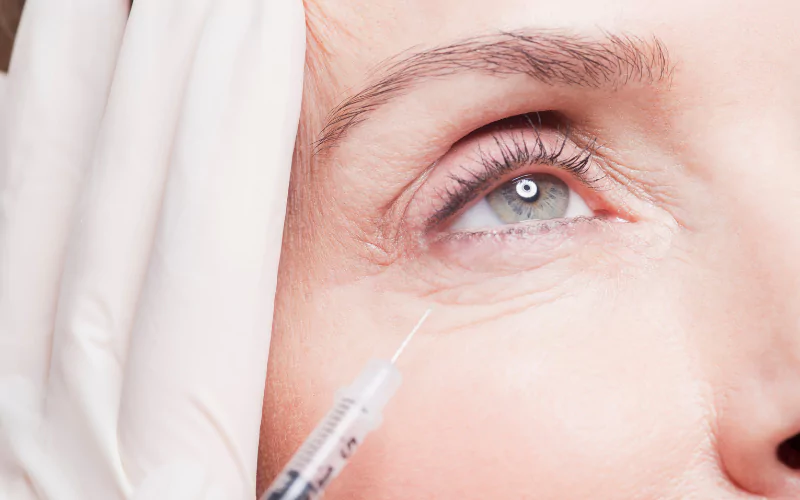
Once the PRP is prepared, it can be administered. Application methods vary depending on the treatment plan. It may be applied to the skin’s surface, often following a procedure like microneedling that creates micro-channels in the skin. This allows the plasma to be absorbed. In other cases, it might be superficially injected into specific areas of the face.
Following the procedure, patients may experience temporary and mild side effects, such as localized redness, minor swelling, or tenderness at the application sites. These effects generally subside within a few days. Patient experiences and responses can differ, and a professional can provide information specific to an individual’s situation.
How Does It Enhance Skin?
PRP therapy is used to complement other skin rejuvenation treatments in several ways. When incorporated into a treatment plan, PRP may support the appearance of improved skin texture and a more even skin tone. It is sometimes used to address the look of fine lines and wrinkles, adding another dimension to standard rejuvenation protocols.
Practitioners also use PRP to aid the skin’s appearance following more intensive procedures. Its application may influence the post-procedure experience and the associated downtime. Because PRP is derived from the patient’s own blood, it is often viewed as a customizable option that can be adapted for different skin types and cosmetic goals.
Seek Professional Wellness Services
When exploring PRP therapy or any cosmetic procedure, selecting a qualified and experienced provider is a necessary step. A thorough consultation is an opportunity to discuss your personal aesthetic goals and expectations. The provider can explain the potential timeline for treatments, what to expect during and after the procedure, and any recommended aftercare. This dialogue helps you make a well-informed decision and aligns your expectations with what the treatment can realistically provide.
- What Is MASH Liver Disease? Symptoms, Causes, Stages, and Treatment
- Can Fatty Liver Disease Symptoms Appear Without Warning?
- Can Ulcers Cause Diarrhea? Causes, Symptoms, Treatment, and When to Get Help
- Does H. pylori Cause GERD? Understanding the Connection Between H. pylori and Acid Reflux
- How Does the Digestive and Circulatory System Work Together? A Simple Guide
Social Sharing
Your Content Goes Here
Latest Posts