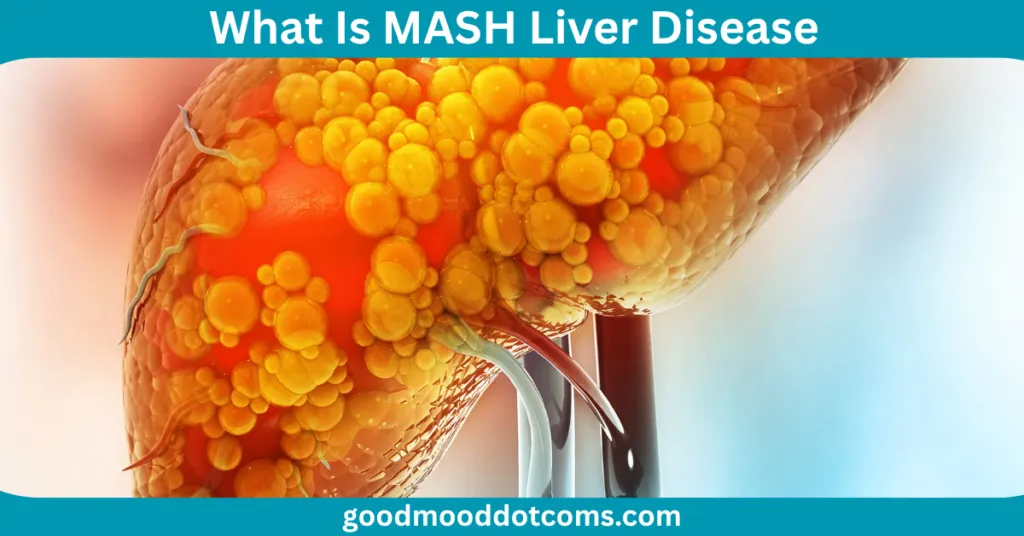
If you have searched for “what is MASH liver disease,” you are probably trying to understand a newer medical term that is becoming more common in the United States. MASH stands for metabolic dysfunction-associated steatohepatitis. It is a type of chronic liver disease that can cause inflammation and damage in the liver.
MASH is closely related to another condition called MASLD, or metabolic dysfunction-associated steatotic liver disease. In simple terms, MASLD means there is too much fat in the liver in the setting of metabolic risk factors. MASH is a more serious form of MASLD in which the liver has fat along with inflammation and liver cell injury.
The terms MASH and MASLD replaced the older terms NASH and NAFLD as part of an international change in liver disease terminology in 2023.
MASH often develops slowly and may cause few or no symptoms in its early stages. However, ongoing inflammation can lead to liver scarring, known as fibrosis. Advanced fibrosis can eventually progress to cirrhosis, liver failure, or liver cancer.
The good news is that MASH can often be managed. Changes in eating habits, physical activity, weight management, and treatment of related conditions such as type 2 diabetes and high cholesterol can play an important role. New prescription treatments have also changed the treatment landscape for some people with MASH.
This guide explains what MASH liver disease means, how it develops, symptoms to watch for, risk factors, diagnosis, stages, treatment options, diet and lifestyle choices, and when to seek medical care.
What Is MASH Liver Disease?
MASH stands for metabolic dysfunction-associated steatohepatitis.
MASH is a form of steatotic liver disease in which excess fat builds up in the liver and is accompanied by inflammation and liver cell injury. It is strongly associated with metabolic health problems such as obesity, insulin resistance, prediabetes, type 2 diabetes, high blood pressure, and abnormal cholesterol or triglyceride levels.
A simple way to understand the relationship is:
- MASLD = fat in the liver associated with metabolic risk factors.
- MASH = a form of MASLD with inflammation and liver cell injury.
- Fibrosis = scar tissue that can develop as liver injury continues.
- Cirrhosis = advanced scarring that can seriously interfere with liver function.
MASH does not mean that the liver is simply “a little fatty.” The important difference is the presence of inflammation and injury.
The condition can affect people who have obesity, but body weight alone does not determine whether someone has MASH. People at different body sizes can develop metabolic liver disease.
Is MASH the Same as NASH?
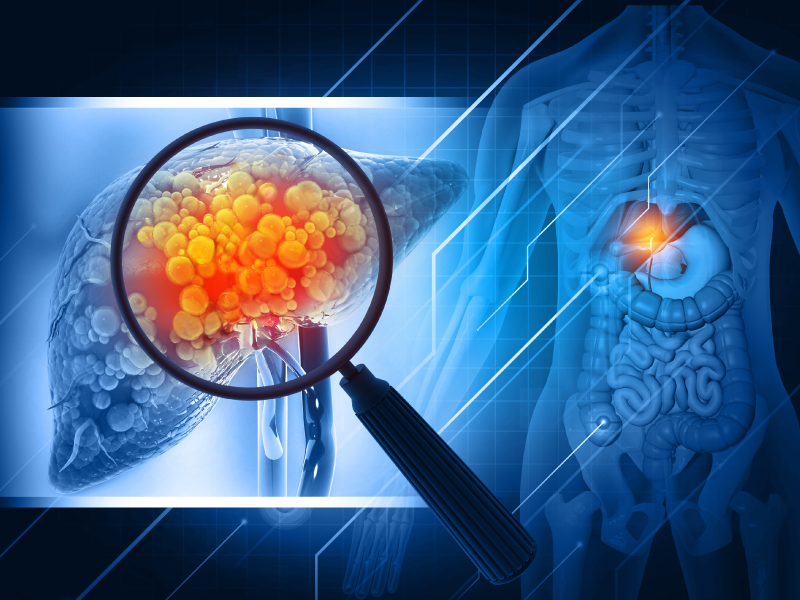
Yes. MASH is the newer name for what was previously called NASH, or nonalcoholic steatohepatitis.
The terminology changed in 2023. NAFLD is now generally called MASLD, while NASH is now called MASH. The new terms place more focus on metabolic health rather than defining the disease mainly by the absence of alcohol use.
You may still see NASH and NAFLD in older medical records, websites, research papers, and insurance documents.
This means:
NASH = MASH
NAFLD = MASLD
The diseases did not suddenly become different diseases. The terminology changed to better describe what doctors understand about these conditions.
Also Read: Can Fatty Liver Disease Symptoms Appear Without Warning?
What Causes MASH Liver Disease?
MASH does not have one single cause. It develops through a combination of metabolic, genetic, lifestyle, and other factors.
One important factor is insulin resistance. Insulin helps the body control blood sugar. When the body becomes less responsive to insulin, the pancreas may produce more insulin to keep blood sugar under control.
Insulin resistance can affect how the body stores and processes fat. More fat can eventually reach or accumulate in the liver.
Other factors may include:
- Excess body weight or obesity
- Visceral fat around the abdomen
- Prediabetes
- Type 2 diabetes
- High triglycerides
- Abnormal cholesterol levels
- High blood pressure
- Metabolic syndrome
- Low physical activity
- Certain genetic factors
- Some medications or medical conditions
Researchers continue to study the complex relationship between genetics, metabolism, diet, gut health, hormones, and liver inflammation.
Importantly, MASH is not simply caused by eating one particular food. It usually develops from several factors working together over time.
What Is the Difference Between Fatty Liver and MASH?
This is one of the most important questions when learning about MASH.
A person can have fat in the liver without having significant inflammation or liver cell injury. This is generally part of the MASLD spectrum.
MASH involves more than fat accumulation. It includes inflammation and liver cell damage.
The difference matters because persistent inflammation can increase the risk of liver fibrosis.
Think of the process this way:
Fat accumulation → inflammation and liver injury → fibrosis → advanced fibrosis → cirrhosis
Not everyone follows this exact path. Some people remain stable for years, while others develop progressive liver damage.
What Are the Symptoms of MASH Liver Disease?
MASH is often called a “silent” disease because many people have few or no symptoms, especially during the early stages.
Some people may experience:
- Tiredness or fatigue
- Discomfort in the upper-right part of the abdomen
- A general feeling of being unwell
- Symptoms related to associated conditions, such as diabetes
NIDDK notes that fatty liver disease can have few or no symptoms, even when more advanced liver disease has developed.
This is why feeling healthy does not necessarily mean the liver is healthy.
As liver fibrosis becomes advanced, symptoms may become more noticeable. These can include:
- Yellowing of the skin or eyes
- Swelling in the legs
- Abdominal swelling from fluid
- Easy bruising
- Itching
- Muscle loss
- Confusion or difficulty thinking
- Severe weakness
- Loss of appetite
These symptoms can have many possible causes. They should not automatically be assumed to mean MASH.
Can MASH Cause Pain?
MASH usually does not cause severe liver pain.
Some people may notice discomfort or a dull sensation in the upper-right abdomen, where the liver is located. However, many people with MASH have no abdominal symptoms at all.
Severe or sudden abdominal pain should not be ignored. It can have many causes unrelated to MASH and may require urgent medical evaluation.
Who Is at Risk for MASH?
MASH is more likely in people with certain metabolic risk factors.
Important risk factors include:
Type 2 Diabetes
Type 2 diabetes is strongly associated with MASLD and MASH. High blood sugar and insulin resistance can affect the way the body handles fat.
Overweight or Obesity
Excess body fat, particularly fat around the abdomen, is associated with a higher risk of metabolic liver disease.
However, a person does not need to have obesity to develop MASH.
High Cholesterol or Triglycerides
Abnormal blood fats can be part of the metabolic changes associated with MASLD and MASH.
High Blood Pressure
High blood pressure often occurs alongside other metabolic risk factors.
Metabolic Syndrome
Metabolic syndrome is a group of health problems that can include increased waist size, high blood pressure, high blood sugar, high triglycerides, and low HDL cholesterol.
Having several of these risk factors can increase the likelihood of metabolic liver disease.
Family and Genetic Factors
Genetics can influence the likelihood of developing fatty liver disease and how strongly the liver responds to metabolic stress.
A person’s family history can therefore be relevant when doctors assess risk.
Can Thin People Get MASH?
Yes.
MASH can occur in people who are not overweight. This is sometimes described as “lean” or “non-obese” MASLD.
Body weight is only one part of metabolic health. A person can have insulin resistance, type 2 diabetes, abnormal cholesterol, or genetic risk even without obesity.
For this reason, a normal-looking body does not completely rule out fatty liver disease.
Is MASH Caused by Alcohol?
MASH is primarily associated with metabolic dysfunction, but alcohol intake is still important when evaluating liver disease.
Doctors ask about alcohol because alcohol-associated liver disease can also cause liver fat and inflammation.
The newer liver disease classification recognizes that metabolic risk factors and alcohol use can overlap. A related category called MetALD describes people with metabolic dysfunction-associated liver disease who also consume higher amounts of alcohol.
If you have been diagnosed with MASH or another liver condition, be honest with your healthcare professional about alcohol consumption. Accurate information helps doctors determine the most appropriate diagnosis and treatment.
How Is MASH Diagnosed?
There is no single test that identifies every case of MASH.
Doctors may use several types of information, including:
- Medical history
- Physical examination
- Blood tests
- Ultrasound
- Other imaging tests
- Liver stiffness measurements
- Risk scores
- Sometimes a liver biopsy
NIDDK explains that doctors may use blood tests, imaging, and sometimes liver biopsy to diagnose fatty liver disease and distinguish between different forms of the condition.
The goal is not only to determine whether fat is present. Doctors also want to estimate whether inflammation, liver injury, or fibrosis may be present.
Blood Tests for MASH
Blood tests can provide useful information about liver health.
Doctors may check liver enzymes such as:
- ALT
- AST
- Alkaline phosphatase
- Bilirubin
They may also check:
- Blood glucose
- Hemoglobin A1C
- Cholesterol
- Triglycerides
- Platelets
- Other markers of liver function
One important point is that normal liver enzymes do not always mean that there is no significant liver disease.
A person can have meaningful fibrosis or other liver problems even when routine blood tests do not look severely abnormal.
Imaging Tests for MASH
Imaging can help doctors identify liver fat and assess liver structure.
Common methods include:
Ultrasound
A standard abdominal ultrasound may detect fatty changes in the liver.
FibroScan or Transient Elastography
This technology can estimate liver stiffness. Greater stiffness can be associated with fibrosis.
MRI
MRI-based techniques can provide more detailed information about liver fat and, in some cases, liver stiffness.
The best test depends on a person’s risk factors, previous test results, and access to medical care.
What Is a Liver Biopsy?
A liver biopsy involves removing a small sample of liver tissue for examination under a microscope.
It can provide detailed information about:
- Fat accumulation
- Inflammation
- Liver cell injury
- Fibrosis
However, biopsy is invasive and is not necessary for everyone.
Doctors increasingly use noninvasive tests to estimate the risk of advanced fibrosis and determine which patients may need specialist evaluation.
What Are the Stages of MASH?
MASH itself describes inflammation and liver cell injury. Fibrosis describes the amount of scar tissue that has developed.
Fibrosis is often described using stages:
- F0: No fibrosis
- F1: Mild fibrosis
- F2: Moderate fibrosis
- F3: Advanced fibrosis
- F4: Cirrhosis
These stages help doctors understand how much scarring has developed.
MASH does not automatically mean cirrhosis.
Many people with MASH do not have advanced fibrosis. Finding the disease early is important because there may be an opportunity to slow or prevent progression.
Can MASH Progress to Cirrhosis?
Yes, MASH can progress to cirrhosis, but this does not happen to everyone.
Long-term inflammation can stimulate the formation of scar tissue. If scarring becomes extensive, normal liver structure can be disrupted.
Cirrhosis can lead to complications such as:
- Fluid buildup in the abdomen
- Internal bleeding
- Confusion
- Liver failure
- Increased risk of liver cancer
The risk of progression depends on several factors, including the degree of fibrosis, metabolic health, genetics, lifestyle, and other liver conditions.
Also Read:Can Ulcers Cause Diarrhea? Causes, Symptoms, Treatment, and When to Get Help
What Complications Can MASH Cause?
MASH can affect more than the liver.
Potential complications include:
Liver Fibrosis
Fibrosis is the buildup of scar tissue after repeated liver injury.
Cirrhosis
Advanced fibrosis can become cirrhosis, which can interfere with normal liver function.
Liver Cancer
People with advanced chronic liver disease and cirrhosis have an increased risk of hepatocellular carcinoma, the most common type of primary liver cancer.
Cardiovascular Disease
Metabolic liver disease is closely connected with cardiovascular risk factors. Heart and blood vessel disease is an important concern for people with MASLD.
Type 2 Diabetes
Insulin resistance can contribute to both fatty liver disease and type 2 diabetes, creating a cycle in which the conditions can influence each other.
This is why managing MASH should not focus only on the liver. Overall metabolic health matters.
How Is MASH Treated?
Treatment depends on the severity of the disease and a person’s overall health.
There is no single treatment that works for everyone.
A comprehensive treatment plan may include:
- Weight management when appropriate
- Healthy eating
- Regular physical activity
- Diabetes management
- Cholesterol management
- Blood pressure management
- Limiting or avoiding alcohol when medically appropriate
- Treatment for advanced fibrosis when indicated
- Regular medical monitoring
Lifestyle changes remain a major part of treatment.
Can Weight Loss Improve MASH?
For people who are overweight or have obesity, gradual weight loss can improve liver health.
Research and clinical guidance have found that meaningful weight reduction can reduce liver fat and may improve inflammation and fibrosis. AASLD educational material notes that a 5% to 10% weight reduction is associated with improvements in several features of MASLD.
The goal should not be a crash diet.
Rapid, extreme dieting can be difficult to maintain and may create other health problems.
Instead, focus on sustainable changes that can continue for months and years.
What Should You Eat if You Have MASH?
There is no single “MASH diet.”
A healthy eating pattern is generally more useful than focusing on one food.
A doctor or registered dietitian may recommend a pattern that emphasizes:
- Vegetables
- Fruits in appropriate portions
- Whole grains
- Beans and lentils
- Nuts and seeds
- Fish
- Lean sources of protein
- Healthy unsaturated fats
It is often helpful to reduce foods that are high in:
- Added sugar
- Refined carbohydrates
- Saturated fat
- Trans fat
- Excess calories
Sugary drinks are especially worth limiting because they can add substantial amounts of sugar and calories without making a person feel full.
NIDDK recommends healthy eating, portion control, and gradual weight loss when appropriate for people with fatty liver disease.
Is a Mediterranean Diet Good for MASH?
A Mediterranean-style eating pattern is commonly recommended as a healthy dietary approach for people with metabolic liver disease.
It emphasizes vegetables, fruits, whole grains, legumes, nuts, fish, and unsaturated fats while limiting highly processed foods and excessive saturated fat.
The benefit is not that one diet magically removes liver fat. Rather, this type of eating pattern can support weight management, blood sugar control, heart health, and overall metabolic health.
Does Exercise Help MASH?
Yes.
Physical activity can improve metabolic health and may reduce liver fat.
Exercise does not have to mean intense gym workouts.
Useful options can include:
- Walking
- Cycling
- Swimming
- Strength training
- Dancing
- Hiking
- Other activities that raise physical activity levels
A combination of aerobic exercise and resistance training can be especially useful.
If you have not exercised for a long time, start gradually and ask your healthcare professional what level of activity is appropriate for you.
Is There Medicine for MASH?
Treatment options for MASH are changing.
In March 2024, the U.S. Food and Drug Administration approved Rezdiffra (resmetirom) for adults with noncirrhotic NASH/MASH with moderate to advanced liver fibrosis, in combination with diet and exercise. The FDA describes this as an accelerated approval based on evidence of benefit, with further study required to confirm clinical benefit.
This medication is not appropriate for everyone with fatty liver disease.
The indication is specifically for adults with noncirrhotic disease and moderate to advanced fibrosis. A healthcare professional must determine whether someone is an appropriate candidate.
AASLD has also issued updated guidance regarding semaglutide therapy for selected patients with MASH and moderate-to-advanced fibrosis.
Because treatment recommendations can change as new evidence becomes available, people with MASH should discuss current options with their healthcare team rather than relying on old information or online advertisements.
Is Rezdiffra a Cure for MASH?
No.
Rezdiffra, or resmetirom, is not a universal cure for MASH.
It is a treatment option for a specific group of adults with noncirrhotic MASH/NASH and moderate to advanced fibrosis.
It is also used along with diet and exercise rather than as a replacement for lifestyle management.
People should not start, stop, or change prescription treatment without speaking with their healthcare professional.
Can MASH Be Reversed?
In some people, liver fat and inflammation can improve substantially.
The earlier MASH and fibrosis are identified, the more opportunity there may be to slow disease progression.
Lifestyle changes can reduce liver fat and improve metabolic health. In some cases, fibrosis can also improve.
However, advanced scarring is more difficult to reverse and may require specialist management.
This is why MASH should not be treated as a temporary problem that can simply be ignored.
How Long Does It Take to Improve MASH?
There is no universal timeline.
Some people may see improvements in liver enzymes or metabolic measurements within months. Changes in liver fat can also occur over time with consistent lifestyle changes.
Fibrosis is different. Scar tissue generally changes more slowly.
The amount of improvement depends on:
- Starting level of liver disease
- Weight changes
- Blood sugar control
- Physical activity
- Diet
- Genetics
- Medication
- Other medical conditions
- Whether alcohol is contributing to liver injury
Regular follow-up is therefore more useful than expecting a specific recovery date.
Can MASH Be Prevented?
You cannot control every risk factor for MASH, including genetics.
However, several habits can reduce metabolic risk.
Helpful steps include:
- Maintaining a healthy weight
- Staying physically active
- Eating a balanced diet
- Limiting sugary drinks
- Managing blood sugar
- Managing cholesterol
- Managing blood pressure
- Avoiding unnecessary medications or supplements that may harm the liver
- Discussing alcohol use with a healthcare professional
Prevention is especially important for people with diabetes, obesity, metabolic syndrome, or a family history of liver disease.
MASH and Diabetes: Why the Connection Matters
MASH and type 2 diabetes frequently occur together.
Insulin resistance can contribute to fat accumulation in the liver. At the same time, metabolic liver disease can be part of a broader pattern of insulin resistance.
This means that treating diabetes and improving insulin sensitivity may benefit more than blood sugar alone.
If you have both diabetes and fatty liver disease, your healthcare team may consider the two conditions together when creating a treatment plan.
MASH and Cholesterol
High triglycerides and abnormal cholesterol are common metabolic risk factors.
Managing cholesterol is important because people with MASLD may have an increased risk of cardiovascular disease.
A common mistake is to focus only on liver tests while ignoring heart health.
For many patients, reducing overall cardiovascular risk is an important part of long-term liver care.
Can Supplements Treat MASH?
Be cautious with supplements marketed as “liver cleanses,” “detox formulas,” or natural MASH cures.
Natural does not automatically mean safe.
Some supplements can interact with prescription medications or potentially cause liver injury.
There is also a major difference between a supplement showing an effect in a small study and a treatment being proven to improve important health outcomes.
Before taking a supplement for MASH, discuss it with your healthcare professional.
When Should You See a Doctor About MASH?
You should discuss liver health with a healthcare professional if:
Also Read:Does H. pylori Cause GERD? Understanding the Connection Between H. pylori and Acid Reflux
- A blood test shows abnormal liver enzymes
- Imaging shows fatty liver
- You have type 2 diabetes and risk factors for liver disease
- You have obesity or metabolic syndrome
- You have unexplained fatigue
- You have persistent upper-right abdominal discomfort
- You have a family history of significant liver disease
- You have been told you may have liver fibrosis
People with symptoms of advanced liver disease should seek prompt medical attention.
Emergency symptoms may include vomiting blood, black or bloody stools, severe confusion, fainting, severe abdominal swelling, or sudden worsening jaundice.
Frequently Asked Questions About MASH Liver Disease
1. What does MASH mean in simple terms?
MASH means metabolic dysfunction-associated steatohepatitis. It is a liver condition in which excess fat is associated with inflammation and liver cell injury. It is the newer name for a condition previously called NASH.
2. Is MASH serious?
MASH can be serious because ongoing inflammation may lead to liver fibrosis and, in some people, cirrhosis. However, not everyone with MASH develops advanced liver disease. Early identification and management of metabolic risk factors can be important.
3. Can you have MASH without knowing it?
Yes. MASH often causes few or no symptoms. It may be discovered after routine blood tests or abdominal imaging. This is one reason people with metabolic risk factors may benefit from discussing liver health with their healthcare professional.
4. Is MASH the same as fatty liver disease?
Not exactly. MASH is part of the broader fatty liver disease spectrum. MASLD describes metabolic dysfunction-associated liver fat, while MASH refers to the form in which inflammation and liver cell injury are present.
5. What is the best treatment for MASH?
There is no single best treatment for everyone. Treatment depends on the severity of liver disease and the person’s overall health. Weight management when appropriate, healthy eating, regular exercise, and control of diabetes, cholesterol, and blood pressure are important. Certain prescription treatments may be appropriate for selected patients with more advanced fibrosis.
Conclusion
So, what is MASH liver disease?
MASH is metabolic dysfunction-associated steatohepatitis, a form of metabolic liver disease involving liver fat, inflammation, and liver cell injury. It was previously known as NASH.
MASH is often connected with insulin resistance, type 2 diabetes, obesity, high triglycerides, high cholesterol, high blood pressure, and other metabolic health problems. It can remain quiet for years, which makes awareness and appropriate medical evaluation important.
The most important thing to understand is that a diagnosis of MASH does not automatically mean a person has cirrhosis or liver failure. The amount of fibrosis is a major factor in determining the seriousness of the disease.
Treatment is also evolving. Lifestyle changes remain central, while prescription options are now available for certain people with noncirrhotic MASH and moderate to advanced fibrosis. The FDA approved resmetirom in 2024 for an appropriate group of adults, and liver disease guidance continues to evolve as new evidence becomes available.
If you have been told that you have fatty liver, MASH, MASLD, or abnormal liver tests, do not panic. Instead, use the diagnosis as an opportunity to understand your liver health and overall metabolic health.
A healthcare professional can help determine whether you have liver inflammation, how much fibrosis may be present, and which treatment approach makes sense for you.
MASH is a condition that deserves attention, but with appropriate evaluation, ongoing monitoring, and healthy long-term habits, many people can take meaningful steps toward protecting their liver and reducing their overall health risks.
For more everyday well-being tips, visit GoodMoodDotCom.com.