

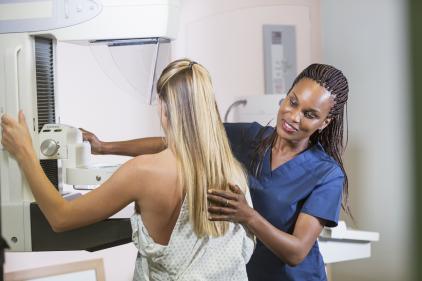
A mammogram is a low-dose X-ray examination of the breast tissue. During screening, a mammogram is used to check for breast abnormalities in individuals who have no apparent signs or symptoms. For diagnostic purposes, it is used to investigate specific concerns, such as a lump or other breast changes. The resulting images, called mammograms, allow clinicians to visualize the internal structures of the breast. Here’s more information on mammograms and early detection:
Signs You Need a Mammogram
Certain signs and symptoms may prompt a healthcare provider to recommend a diagnostic mammogram. These can include the discovery of a new lump or mass in the breast or underarm area, focal pain that persists in one spot, or spontaneous, unilateral nipple discharge. Other changes that warrant evaluation are nipple inversion, where the nipple turns inward, or skin changes like thickening, dimpling, redness, or scaling that does not resolve. Any noticeable alteration in the size or shape of a breast should also be discussed with a clinician.
The timing for screening mammograms is determined by age, individual risk factors, and established healthcare guidelines. Many organizations suggest that individuals of average risk begin routine screening mammography around age 40. The frequency of these screenings is based on a personalized assessment of risk and guidance from a healthcare provider.
Individuals with an elevated risk may be advised to begin screening earlier or more frequently. Some factors that elevate risk include:
- Family History
- Genetic Mutations
- History of Atypical Breast Cells
- Prior Radiation Therapy
Types of Mammograms
There are two primary types of mammography technology: 2D digital mammography and 3D digital breast tomosynthesis. 2D digital mammography captures two X-ray images of the breast, one from the top and one from the side. These flat images provide a comprehensive view of the breast tissue.
3D digital breast tomosynthesis (DBT) takes multiple low-dose X-ray images of the breast from different angles. A computer then reconstructs these images into a series of thin, one-millimeter layers. This three-dimensional view allows radiologists to examine the breast tissue slice by slice, which can be particularly useful for visualizing dense breast tissue. The choice between 2D and 3D mammography depends on equipment availability, a patient’s breast density, the specific clinical scenario, and the recommendation of the healthcare provider.
Benefits of Mammograms
One of the primary functions of mammograms is the ability to detect abnormalities that may be too small or located too deep within the breast to be felt during a physical examination. This allows for early evaluation of any areas of concern, like breast cancer. By reviewing a series of mammograms, radiologists can monitor for subtle changes in the breast tissue from one year to the next. This helps in identifying developments that may require further attention. When an abnormality is found, a mammogram helps to guide targeted follow-up imaging to get a clearer picture of the specific area. A clear mammogram may reduce the need for additional tests.
Schedule an Appointment Today
A mammogram can help you understand your personal risk factors and provide clarity on irregular symptoms. To learn more information, contact a qualified clinician today. They will go over your screening options, results, and follow-up plans.
- What Is MASH Liver Disease? Symptoms, Causes, Stages, and Treatment
- Can Fatty Liver Disease Symptoms Appear Without Warning?
- Can Ulcers Cause Diarrhea? Causes, Symptoms, Treatment, and When to Get Help
- Does H. pylori Cause GERD? Understanding the Connection Between H. pylori and Acid Reflux
- How Does the Digestive and Circulatory System Work Together? A Simple Guide
Social Sharing
Your Content Goes Here
Latest Posts