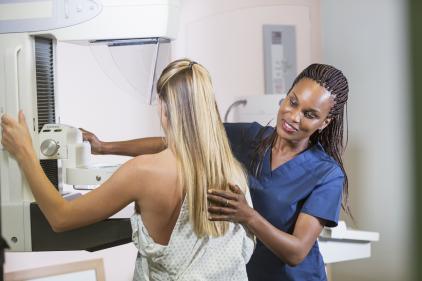

Women’s clinics that specialize in hormonal health provide a focused approach to managing the body’s complex endocrine system. These centers are typically staffed by medical professionals who concentrate on diagnosing and addressing hormonal imbalances. When you visit one of these clinics, they can provide a structured process designed to understand your unique health profile. Here is more information about what to expect from a womens clinic:
Medical History Discussion
Your initial consultation will begin with an in-depth discussion about your medical history. The provider will ask detailed questions about your symptoms, so you will need to describe what you have been experiencing. You will also review your family medical history, past health conditions, and current lifestyle habits. When reviewing a woman’s medical history, a doctor will typically look for the following:
- Details about menstrual cycle patterns, such as frequency, duration, and associated symptoms.
- History of pregnancies, including any complications during pregnancy or childbirth.
- Past gynecological conditions, such as endometriosis, fibroids, or ovarian cysts.
- Use of contraceptives or hormone therapy and any associated side effects.
- Family history of conditions like breast cancer, ovarian cancer, or osteoporosis.
Diagnostic Testing
After reviewing your history, the next step involves diagnostic testing to get a precise picture of your hormone levels. This testing may require a blood draw, and your provider may request multiple samples to track hormonal fluctuations throughout your cycle. Saliva or urine tests are other methods that a womens clinic may use to gather data.
The results from these tests give your healthcare provider the specific information they need. While you wait for the results, your provider might suggest you keep a journal of your symptoms. This data helps create a comprehensive overview of your health, connecting your physical experiences with the biological information from the lab work.
Your provider will analyze the test results in the context of the symptoms you reported. A follow-up appointment is scheduled to review the findings with you, and it will be set at a convenient time. During this meeting, the provider explains what the results indicate about your hormonal function.
Personalized Treatment Plan
Once your diagnostic results are available, your provider will develop a personalized treatment plan. This plan can be adjusted specifically to the hormonal imbalances identified in your test results. The goal is to create a strategy that aligns with your individual health needs, and a provider will explain the details of the proposed approach.
Your treatment may involve various methods. Some plans include hormone replacement therapy, which is administered through different forms like creams, pills, or gels. The specific type and dosage of any treatment will depend entirely on your lab results and medical evaluation, which will determine the appropriate course of action.
Continual Monitoring
Follow-up appointments are a standard part of the process. These appointments allow your provider to track your progress, and they help make sure that your treatment plan remains effective. Adjustments to your plan will be made based on how your body responds and on the results of subsequent tests.
Find a Womens Clinic Near You
Understanding the process helps set clear expectations for your visit to a women’s health clinic. The journey involves a detailed evaluation, specific testing, and ongoing management customized to you. If you are seeking support for hormonal health, we invite you to book a consultation to begin your evaluation.
- What Is MASH Liver Disease? Symptoms, Causes, Stages, and Treatment
- Can Fatty Liver Disease Symptoms Appear Without Warning?
- Can Ulcers Cause Diarrhea? Causes, Symptoms, Treatment, and When to Get Help
- Does H. pylori Cause GERD? Understanding the Connection Between H. pylori and Acid Reflux
- How Does the Digestive and Circulatory System Work Together? A Simple Guide
Social Sharing
Your Content Goes Here
Latest Posts