
Seeing white mucus in human stool can be surprising, especially when it appears suddenly or keeps coming back. In many cases, a small amount of mucus is not a sign of a serious problem because the intestines naturally produce mucus to protect and lubricate the digestive tract. However, a noticeable increase in mucus, especially when it is white, yellowish, bloody, or associated with other symptoms, may deserve medical attention.
The important point is that mucus in stool is a symptom, not a diagnosis. It can occur with constipation, diarrhea, irritable bowel syndrome, intestinal infections, inflammatory bowel disease, and inflammation of the rectum. Less commonly, it may occur with other digestive conditions that need medical evaluation.
This guide explains what white mucus in human stool can mean, the most common causes, how it differs from normal intestinal mucus, what symptoms should concern you, what tests a doctor may use, and what treatment may be recommended.
What Is White Mucus in Human Stool?
White mucus in human stool is a jelly-like or slippery substance that may appear on the outside of stool, mixed into stool, floating in the toilet water, or visible on toilet paper after a bowel movement.
Your intestines naturally make mucus. This mucus helps keep the intestinal lining moist and allows stool to move through the digestive tract more easily. A small amount can be present without being noticeable.
The concern usually begins when you notice much more mucus than usual, when it appears repeatedly, or when it occurs with symptoms such as abdominal pain, diarrhea, constipation, bleeding, fever, or unexplained weight loss.

White mucus does not automatically mean that you have a serious disease. The color and amount are only part of the picture.
Also read:What Do Bowel Movements With White Mucus Mean? Causes, Symptoms, Treatment, and When to Seek Care
Is White Mucus in Stool Normal?
A small amount of mucus in stool can be normal. The digestive tract produces mucus every day as part of its normal protective system.
You may not notice it most of the time because the amount is small and becomes mixed with stool.
Occasionally, however, you may see a small clear, white, or slightly cloudy substance around the stool. If it happens once and you feel completely well, it may not be a reason for concern.
The situation is different when the mucus becomes frequent or increases in amount.
Mayo Clinic recommends speaking with a healthcare professional when you notice increased mucus, particularly if it happens regularly or occurs with bleeding or a change in bowel habits.
What Does White Mucus in Stool Look Like?
White mucus can look different from person to person.
You might notice:
- White jelly-like material
- Clear mucus with a white appearance
- Thin white strings
- White coating around stool
- Small white blobs
- Whitish material floating in the toilet
- Mucus on toilet paper
- White or yellowish mucus mixed with diarrhea
Mucus can also appear slightly yellow rather than pure white.
The appearance alone cannot tell you exactly what is causing it. A doctor considers the mucus together with your bowel habits, pain, diet, medications, medical history, and other symptoms.
What Causes White Mucus in Human Stool?
There are many possible causes of mucus in stool. Some are relatively common and mild, while others require medical evaluation.
Common possibilities include:
- Constipation
- Irritable bowel syndrome
- Diarrhea
- Intestinal infections
- Inflammation of the rectum
- Ulcerative colitis
- Crohn’s disease
- Diverticular disease
- Medication-related bowel changes
- Other conditions that irritate the digestive tract
Cleveland Clinic lists constipation, IBS, gastrointestinal infections, Crohn’s disease, diverticulitis, proctitis, and ulcerative colitis among conditions that can cause increased mucus in stool.
The key is not to assume the most serious explanation first. Instead, look at the complete symptom pattern.
White Mucus in Stool From Constipation
Constipation is one of the common causes of increased mucus in stool.
When stool becomes hard or difficult to pass, the intestinal lining may produce more mucus. You may notice mucus around hard stool or after straining.
Constipation can also cause:
- Fewer bowel movements
- Hard or dry stool
- Straining
- Bloating
- Abdominal discomfort
- Feeling that stool has not completely passed
NIDDK describes constipation using symptoms such as fewer than three bowel movements a week, hard or lumpy stools, difficult passage, and a feeling of incomplete emptying.
Occasional mucus associated with constipation may improve when the constipation improves.
However, constipation combined with constant abdominal pain, vomiting, fever, blood in the stool, inability to pass gas, or unexplained weight loss requires medical attention.
White Mucus in Stool and Irritable Bowel Syndrome
Irritable bowel syndrome, commonly called IBS, can cause mucus in stool.
IBS is a digestive disorder that can involve abdominal pain along with changes in bowel movements. Some people mainly experience constipation, some mainly have diarrhea, and others experience both.
A person with IBS may notice:
- Abdominal cramping
- Bloating
- Diarrhea
- Constipation
- Changes in stool frequency
- Mucus in stool
- Feeling an urgent need to have a bowel movement
White-colored mucus can occur with IBS.
One important point is that mucus by itself does not prove that you have IBS.
A doctor may need to evaluate your symptoms and determine whether another condition could explain them.
White Mucus in Stool and Diarrhea
Diarrhea can cause increased mucus because loose stool may irritate the intestinal lining.
You may notice mucus along with:
- Watery stool
- Frequent bowel movements
- Abdominal cramps
- Bloating
- Nausea
- Urgency
- Fever
Mayo Clinic lists mucus among symptoms that can accompany diarrhea.
Short-term diarrhea can occur with infections or food-related illness. If diarrhea continues, becomes severe, or occurs with blood, high fever, dehydration, or significant pain, medical evaluation is important.
White Mucus From a Gastrointestinal Infection
Some intestinal infections can increase mucus production.
These infections may be caused by bacteria, viruses, or parasites.
Depending on the infection, symptoms may include:
- Diarrhea
- Abdominal cramps
- Fever
- Nausea
- Vomiting
- Mucus in stool
- Blood in stool
- Weakness
- Dehydration
The presence of mucus does not identify which organism is responsible.
A doctor may use your recent travel history, food exposure, antibiotic use, symptoms, and stool testing to determine whether an infection is likely.
White Mucus After Antibiotics
Antibiotics can change the normal balance of bacteria in the digestive tract.
In some people, this can lead to diarrhea or other bowel changes.
One important example is Clostridioides difficile, commonly called C. diff. It can cause watery diarrhea, mucus or blood in stool, abdominal cramps, fever, and dehydration, particularly after antibiotic use.
If you develop significant diarrhea during or after taking antibiotics, contact a healthcare professional rather than assuming it is a minor medication side effect.
White Mucus and Ulcerative Colitis
Ulcerative colitis is a type of inflammatory bowel disease that causes inflammation in the colon and rectum.
It can cause mucus in stool, particularly when inflammation affects the rectum or lower colon.
Other possible symptoms include:
- Diarrhea
- Abdominal pain
- Rectal bleeding
- Urgency
- Frequent bowel movements
- Weight loss
- Fatigue
White or yellow mucus can occur with ulcerative colitis.
If mucus repeatedly occurs with diarrhea, blood, abdominal pain, or urgency, a doctor may need to evaluate for inflammatory bowel disease.
White Mucus and Crohn’s Disease
Crohn’s disease is another type of inflammatory bowel disease.
It can affect different parts of the digestive tract and may cause periods of symptoms followed by periods of improvement.
Possible symptoms include:
- Abdominal pain
- Diarrhea
- Fever
- Fatigue
- Reduced appetite
- Weight loss
- Rectal bleeding
- Bowel urgency
Mucus may also occur, particularly when inflammation affects the lower digestive tract.
Crohn’s disease cannot be diagnosed simply by looking at mucus in stool. Doctors use a combination of symptoms, laboratory tests, imaging, endoscopy, and sometimes tissue samples.
White Mucus in Stool and Proctitis
Proctitis means inflammation of the rectum.
Because the rectum naturally produces mucus, inflammation in this area can lead to noticeable mucus passing with stool.
NIDDK lists mucus or pus in stool, rectal bleeding, urgency, diarrhea or constipation, and rectal or abdominal pain among possible symptoms of proctitis.
The causes of proctitis vary. Inflammatory bowel disease, infections, and other conditions can be responsible.
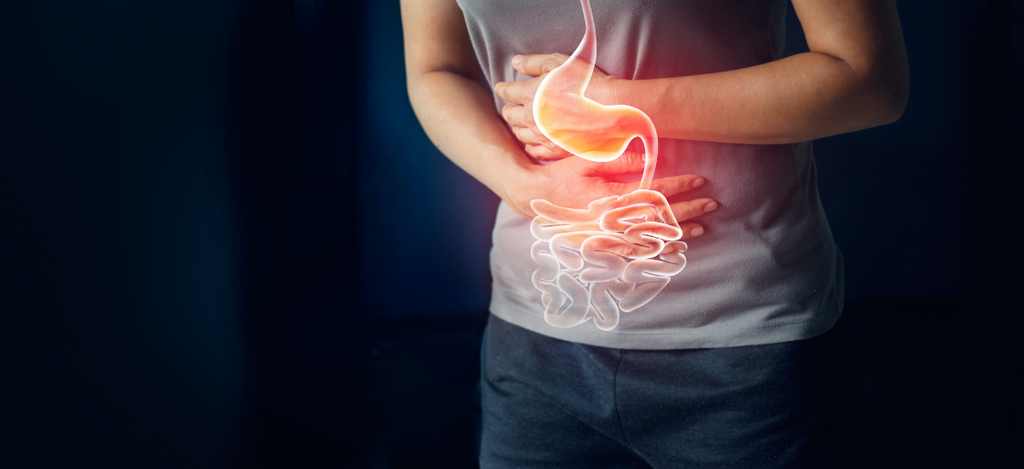
Repeated mucus, especially with rectal pain, bleeding, or a constant urge to have a bowel movement, should be evaluated.
Also read:What Is a Gut Type Quiz? Complete Guide to Gut Health
White Mucus and Diverticular Disease
Diverticula are small pouches that can form in the wall of the colon.
Many people have diverticula without symptoms. When inflammation develops, a condition called diverticulitis can occur.
Diverticulitis may cause:
- Abdominal pain
- Fever
- Changes in bowel habits
- Nausea
- Vomiting
- Tenderness
Increased mucus can occur when the colon is irritated or inflamed.
Severe or persistent abdominal pain with fever should be medically evaluated.
Can Hemorrhoids Cause Mucus in Stool?
Hemorrhoids mainly affect blood vessels around the anus and lower rectum.
They can cause bleeding, itching, discomfort, or irritation. Irritation around the rectal area may sometimes contribute to mucus being noticed.
However, it is important not to automatically blame persistent mucus on hemorrhoids.
If mucus continues, especially if it is accompanied by abdominal pain, diarrhea, blood, weight loss, or changes in bowel habits, your doctor may need to investigate another cause.
Can Food Cause White Mucus in Stool?
Food does not usually directly create intestinal mucus in the same way that inflammation does, but certain foods may trigger digestive symptoms in some people.
For example, a person with IBS may notice more symptoms after eating particular foods.
Food intolerance can also lead to:
- Bloating
- Gas
- Diarrhea
- Cramping
- Changes in bowel habits
If you notice that mucus repeatedly appears after eating the same foods, keep a food and symptom diary.
Do not remove large groups of foods from your diet without a good reason, particularly if you are already losing weight or have another medical condition.
Can Stress Cause White Mucus in Stool?
Stress can affect digestive symptoms, especially in people with conditions such as IBS.
You may notice changes in bowel movements, bloating, cramping, or urgency during stressful periods.
However, stress should not automatically be blamed for new or persistent mucus in stool.
A useful approach is to consider both digestive and lifestyle factors.
If symptoms continue even when stress decreases, speak with a healthcare professional.
Is White Mucus in Stool a Sign of Colon Cancer?
White mucus in stool does not automatically mean colon cancer.
Mucus can occur with many much more common conditions, including constipation, IBS, and intestinal inflammation.
However, an unexplained increase in mucus deserves attention when it occurs with other concerning changes.
Possible warning signs include:
- Blood in stool
- Persistent changes in bowel habits
- Unexplained weight loss
- Ongoing abdominal pain
- Persistent diarrhea or constipation
- Unusual fatigue
Mayo Clinic notes that increased mucus can be associated with colon polyps or cancer, but mucus by itself is usually not enough to establish a diagnosis.
This distinction is important: seeing mucus does not mean you have cancer, but persistent changes in bowel habits should not be ignored.
White Mucus With Blood in Stool
Mucus with blood deserves more attention than mucus alone.
Blood can come from different parts of the digestive tract and can have different appearances.
Bright red blood may be visible on toilet paper or on the stool. Dark, black, tar-like stool can indicate bleeding higher in the digestive tract.
Mucus mixed with blood may occur with inflammatory bowel disease, infections, proctitis, polyps, hemorrhoids, and other conditions.
If you see blood in your stool, especially repeatedly or in a significant amount, contact a healthcare professional.
If bleeding is heavy or you feel faint, weak, confused, or severely unwell, seek emergency medical care.
White Mucus and Abdominal Pain
Mucus becomes more important when it occurs with abdominal pain.
Mild occasional discomfort may have a simple explanation, but persistent or severe pain requires evaluation.
Mucus plus abdominal pain can occur with IBS, infections, inflammatory bowel disease, diverticular disease, and other digestive conditions.
The location, severity, duration, and timing of the pain can help your doctor determine the next step.
White Mucus and Weight Loss
Unexplained weight loss is a symptom that should not be ignored.
If you are losing weight without trying and repeatedly notice mucus in stool, arrange a medical evaluation.
Weight loss can happen because chronic digestive symptoms reduce appetite or make eating uncomfortable. It can also occur with inflammatory bowel disease and other medical conditions.
The combination does not identify a specific disease, but it makes professional evaluation more important.
White Mucus and Changes in Bowel Habits
Pay attention to changes in how often you have bowel movements and what your stool looks like.
A change may include:
- New diarrhea
- New constipation
- Alternating diarrhea and constipation
- Increased urgency
- Narrower stools
- More frequent bowel movements
- Feeling that you cannot completely empty your bowel
A persistent change combined with mucus should be discussed with a healthcare professional.
When Should You See a Doctor About White Mucus?
You should consider contacting a doctor if white mucus:
- Keeps appearing
- Is increasing in amount
- Is off-white or yellowish
- Appears with blood
- Occurs with ongoing diarrhea
- Occurs with abdominal pain
- Occurs with repeated constipation
- Occurs with unexplained weight loss
- Happens with fever
- Happens with persistent nausea or vomiting
- Comes with a major change in bowel habits
Cleveland Clinic recommends contacting a healthcare provider for off-white or yellowish mucus, bloody mucus, persistent diarrhea, abdominal pain, nausea and vomiting, stomach cramps, or unexplained weight loss.
When Is White Mucus in Stool an Emergency?
White mucus alone is usually not an emergency. However, get urgent medical help if it occurs with severe belly pain, heavy bleeding, black stool, repeated vomiting, severe dehydration, fainting, confusion, high fever, or a swollen or hard abdomen. These symptoms may point to a more serious digestive problem.
How Does a Doctor Diagnose the Cause?
There is no single test for white mucus in stool. Your doctor will ask about when the mucus started, how often it appears, its color, bowel movements, pain, bleeding, diet, medications, antibiotics, travel, and other symptoms. This information helps determine whether further testing is needed.
What Tests May Be Used?
Your doctor may recommend blood tests, stool tests, infection testing, inflammatory markers, imaging, or a colonoscopy. You may not need all of these tests. The choice depends on your symptoms, medical history, age, and risk factors.
Stool Tests for White Mucus
Stool tests can look for infections, blood, parasites, bacteria, or signs of intestinal inflammation. They may be especially useful when mucus occurs with diarrhea, fever, recent antibiotic use, or recent travel.
Colonoscopy for Persistent Mucus
A colonoscopy allows a doctor to examine the inside of the colon and rectum. It may be recommended when mucus continues or occurs with bleeding, unexplained bowel changes, or symptoms that suggest inflammatory bowel disease. A colonoscopy is not automatically needed for one episode of mucus.
How Is White Mucus in Stool Treated?
Treatment depends on the cause. Constipation may require changes in fluids, fiber, activity, or medication. Infections may need specific treatment, while IBS may require diet and lifestyle changes. Inflammatory bowel disease and proctitis may need medical treatment and follow-up.
Can You Treat White Mucus at Home?
If you notice a small amount of mucus once and feel well, you can monitor your symptoms. Staying hydrated, eating a balanced diet, getting appropriate fiber, and staying active may support healthy bowel function. Persistent mucus or mucus with blood, pain, fever, or weight loss should be evaluated by a doctor.
Should You Take a Probiotic for White Mucus?
Probiotics may help with some digestive problems, but they are not a universal treatment for white mucus. The best choice depends on the underlying cause. Talk with your healthcare professional before using supplements, especially if symptoms are persistent.
Can Fiber Help With Mucus in Stool?
Fiber may help when constipation is contributing to mucus. Increase fiber gradually because a sudden increase can cause gas and bloating. If you have ongoing diarrhea, severe pain, or another digestive condition, ask your doctor before making major dietary changes.
How to Track White Mucus in Stool
A simple symptom diary can help you and your doctor identify patterns. Record the date, stool consistency, mucus color and amount, abdominal pain, diarrhea, constipation, foods, medications, recent antibiotics, fever, and any blood.
White Mucus in Stool vs. White Stool
White mucus is different from completely white or clay-colored stool. Mucus usually looks like a slippery or jelly-like substance around the stool. White or clay-colored stool can sometimes be linked to problems with bile flow and should be discussed with a healthcare professional.
Also read:Are Pickles Good for Gut Health? Benefits, Types, Probiotics, and What to Know
White Mucus in Stool vs. Undigested Food
Mucus is usually slippery, clear, white, or stringy. Undigested food often looks like recognizable pieces of food, such as vegetable skins or seeds. If you are unsure what you are seeing, describe it to your doctor.
Is White Mucus in Stool Common?
Small amounts of intestinal mucus are normal. Noticeable mucus can occur with constipation, IBS, infections, and other digestive problems. One occasional episode is different from mucus that repeatedly occurs with pain, diarrhea, bleeding, or weight loss.
What Is the Biggest Mistake People Make?
A common mistake is either ignoring persistent mucus or immediately assuming it means something serious. Mucus alone does not identify a disease. It is better to look at the complete pattern, including bowel changes, pain, bleeding, fever, weight loss, medications, and other symptoms.
When to Contact a Gastroenterologist
A gastroenterologist may be helpful if mucus continues or occurs with repeated abdominal pain, chronic diarrhea, constipation, blood in stool, unexplained weight loss, or ongoing bowel changes. Your primary care doctor can often evaluate you first and recommend a specialist if needed.
What Should You Tell Your Doctor?
Tell your doctor when you first noticed the mucus, how often it appears, and what it looks like. Also mention any pain, diarrhea, constipation, blood, fever, weight loss, recent antibiotics, travel, diet changes, or new medications. Clear information can help your doctor decide what to do next.
Final Thoughts
White mucus in human stool can be caused by something relatively simple, such as constipation or a temporary digestive disturbance, but it can also occur with IBS, intestinal infections, proctitis, inflammatory bowel disease, and other digestive conditions. A small amount of mucus can be normal because the intestines naturally produce it to protect and lubricate the digestive tract. The more important concern is persistent or increased mucus, especially when it appears with blood, abdominal pain, diarrhea, fever, weight loss, or a significant change in bowel habits.
The best approach is not to diagnose yourself from the appearance of stool alone. Pay attention to the overall pattern, keep track of symptoms, and speak with a healthcare professional when the change continues or warning signs appear. If you have severe pain, significant bleeding, repeated vomiting, severe dehydration, or other serious symptoms, seek urgent medical care.
Frequently Asked Questions About White Mucus in Human Stool
Can dehydration cause white mucus in stool?
Dehydration can contribute to constipation and harder stools, and constipation can be associated with increased mucus. However, dehydration alone does not explain every case of white mucus. If the mucus continues after your hydration improves, discuss it with a healthcare professional.
Can mucus in stool happen without diarrhea?
Yes. Mucus can occur with constipation, IBS, rectal inflammation, and other digestive conditions. You do not need to have diarrhea for mucus to appear.
Why does white mucus appear after a bowel movement?
Mucus may be produced by the colon and rectum to lubricate the digestive tract. If the lower digestive tract becomes irritated, more mucus may be produced and become noticeable after passing stool.
Can medications cause mucus in stool?
Some medications can change bowel habits or irritate the digestive system, which may contribute to changes in stool. Antibiotics are particularly important because they can alter intestinal bacteria and may sometimes be followed by diarrhea or C. diff infection. If mucus started after a new medication, tell your healthcare professional rather than stopping a prescription on your own.
How long should white mucus in stool last?
There is no single number of days that applies to everyone because the cause matters. A small, isolated amount may disappear quickly. If mucus continues, increases, or occurs with abdominal pain, blood, diarrhea, fever, or weight loss, arrange a medical evaluation rather than waiting for it to resolve on its own.