
If you have ever felt bloated, gassy, and uncomfortable after eating, you might have wondered what is going on inside your stomach. Maybe you searched your symptoms and landed on the word “ulcer.” That can feel scary. But here is the simple answer to the question on your mind: yes, stomach ulcers can cause gas and bloating. They are not the most common reason for excess gas, but they are a real and often overlooked one.
When a sore forms in the lining of your stomach, it can disrupt the way your digestive system works. That disruption can slow things down, trap air, change how your stomach empties, and create the perfect setup for that full, gassy, stretched-out feeling. In this article, we will walk through how that happens, what else to watch for, when to take your symptoms seriously, and what you can do about it.
This article is for general information only. It is not a substitute for professional medical advice, diagnosis, or treatment. If you are concerned about your symptoms, please talk with a licensed healthcare provider.
What Is a Stomach Ulcer?
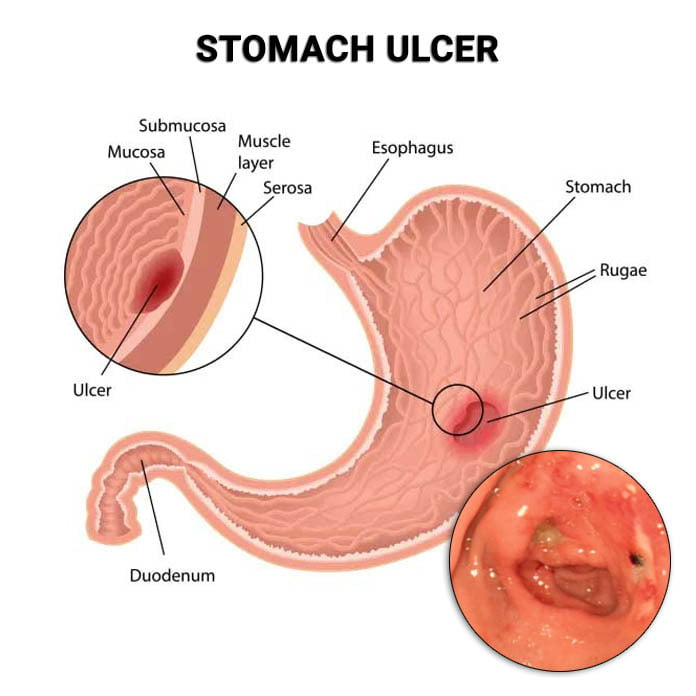
A stomach ulcer, also called a gastric ulcer, is a sore that forms on the inside lining of your stomach. It happens when the thick layer of mucus that usually protects your stomach wall from digestive acids gets worn down or damaged. Without that protective layer, the acid eats away at the tissue beneath it. Over time, that creates a small open sore.
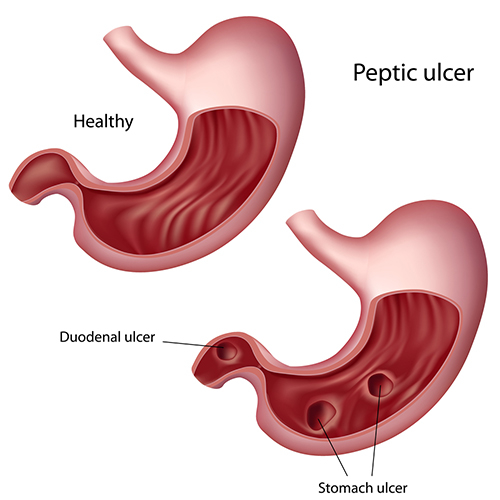
Stomach ulcers belong to a larger group called peptic ulcers. Peptic ulcers include both gastric ulcers (in the stomach) and duodenal ulcers (in the first part of the small intestine). Both types can cause similar symptoms, and both can play a role in digestive discomfort including gas.
How the Stomach Lining Normally Works
Your stomach is designed to be tough. It produces strong acid to break down food. At the same time, it makes a slippery coating of mucus that acts like a shield. That shield stops the acid from harming the stomach wall. The system works well most of the time. But when something throws it off, either by increasing acid or weakening the mucus shield, an ulcer can form.
Can Stomach Ulcers Cause Gas? Understanding the Connection
So, can stomach ulcers cause gas? The short answer is yes. The longer answer is that the connection is more indirect than most people realize. The ulcer itself does not produce gas. Instead, it sets off a chain of changes in your digestion that can lead to extra gas, bloating, and pressure.
Also read:What Causes Bubble Gut? Common Causes, Symptoms, Bodybuilding Connections, and What to Do
Here is how that chain tends to work.
When an ulcer forms, the stomach lining becomes inflamed and irritated. That irritation can change how quickly food moves through your stomach. In some people, the stomach empties more slowly than usual. Food sits there longer. As it waits to move on, it can ferment, especially if the acid balance is off. Fermentation produces gas.
At the same time, pain and discomfort can make you swallow more air without noticing it. This is called aerophagia. When your stomach already feels off, swallowing extra air adds to the pressure and fullness.
There is another layer to this. Many of the same factors that cause ulcers, like H. pylori infection, can also change the balance of bacteria in your gut. When your gut bacteria get out of balance, they can produce more gas as they break down food. So the gas you feel may come from a mix of slowed digestion, swallowed air, and bacterial changes, all linked back to the ulcer and its underlying cause.
Why Ulcer-Related Gas Feels Different
Gas from a stomach ulcer often feels different from the gas you get after eating too many beans. For one thing, it tends to come with a deeper, more constant discomfort. It may sit high in your belly, just below your ribs, rather than lower down. You might also notice that it gets worse when your stomach is empty or right after you eat certain irritating foods.
Some people describe it as a heavy, full sensation that does not go away easily. Others feel a burning or gnawing ache that pairs with the bloating. This is one reason ulcer gas can be easy to misread. People often blame it on indigestion, eating too fast, or something they ate, when the real source is a sore in the stomach lining.
Common Symptoms That Accompany Ulcer-Related Gas
Gas alone does not tell you much. But when it shows up alongside certain other symptoms, the picture starts to come together. Here are the signs that often travel with ulcer-related gas and bloating.
Burning or Gnawing Stomach Pain
This is the most classic ulcer symptom. The pain is usually described as a burning or gnawing feeling in the upper middle of the belly. It may come and go. It often gets worse between meals or during the night, and it may ease up for a short time after eating.
Feeling Full Quickly
If you feel stuffed after just a few bites of food, that could be a sign. Ulcers can make your stomach feel full and heavy even when you have not eaten much. This early fullness often comes with bloating and sometimes nausea.
Nausea and Sometimes Vomiting
Some people with stomach ulcers feel queasy, especially in the morning or after eating. In more serious cases, nausea can lead to vomiting. If you ever vomit something that looks like coffee grounds, that is a medical emergency. It can be a sign of bleeding in the stomach.
Unexplained Weight Loss
When eating becomes painful or uncomfortable, some people start eating less without realizing it. Over time, that can lead to weight loss. If you are losing weight without trying and also have stomach pain or gas, that is worth checking with a doctor.
Burping and Heartburn
Frequent burping is common with ulcers. It can happen because of swallowed air, slow digestion, or acid backing up into the esophagus. Heartburn, that burning feeling in the chest, often comes along for the ride.
Loss of Appetite
Many people with ulcers lose interest in food. Eating brings discomfort, so the body learns to avoid it. A reduced appetite paired with gas and upper belly pain is a combination worth taking seriously.
What Causes Stomach Ulcers in the First Place?
To understand why ulcers can cause gas, it helps to know what creates ulcers in the first place. There are two main culprits, plus a few less common ones.
H. Pylori Infection
The most common cause of stomach ulcers is a type of bacteria called Helicobacter pylori, or H. pylori for short. This bacterium lives in the digestive tract of many people. In fact, a large portion of the world’s population carries it without ever knowing. But in some people, H. pylori attacks the protective mucus layer of the stomach. Once that layer weakens, acid damages the lining and an ulcer forms.
H. pylori is interesting because it may also play a direct role in gas and bloating. Some research suggests that the infection can alter the gut environment in ways that encourage gas-producing bacteria. This means the same bacteria causing the ulcer may also be adding to the gassy feeling.
NSAIDs and Pain Relievers
The second leading cause is the frequent use of nonsteroidal anti-inflammatory drugs, also called NSAIDs. These include common over-the-counter pain relievers like ibuprofen, naproxen, and aspirin. When taken often or in high doses, NSAIDs can irritate the stomach lining and reduce the substances that protect it. Over time, this can open the door to an ulcer.
Many people take NSAIDs for headaches, joint pain, or chronic conditions. If you take these medicines regularly and start noticing gas, bloating, or stomach pain, that is a connection worth paying attention to.
Other Factors That Can Worsen Ulcers
While H. pylori and NSAIDs are the main causes, other things can make ulcers worse or harder to heal. Smoking slows healing and increases acid. Heavy alcohol use can irritate the lining. Extreme stress does not directly cause ulcers, as was once believed, but it can make symptoms worse and slow recovery. Spicy food does not cause ulcers either, though it can irritate an existing one.
When Is Gas a Warning Sign?
Most gas is harmless. It is a normal part of digestion. But sometimes gas and bloating are warning signs that something more serious is going on. Knowing the difference can help you decide when to seek care.
Red Flag Symptoms to Watch For
Certain symptoms should never be ignored. If you notice any of the following alongside gas and bloating, seek medical attention promptly.
Sudden, severe stomach pain that comes on without warning could signal a perforated ulcer, which is a hole through the stomach wall. This is a medical emergency. Vomiting blood or material that looks like coffee grounds may mean the ulcer is bleeding. Stools that are dark, black, or tarry can also point to bleeding in the digestive tract. Unexplained weight loss, persistent vomiting, or trouble swallowing are all signs that need a doctor’s attention.
Feeling dizzy, faint, or confused along with stomach symptoms could mean you are losing blood internally. Do not wait it out. Get help right away.
Gas That Persists or Worsens
If your gas and bloating stick around for more than a couple of weeks, or if they keep getting worse, it is time to get checked. This is especially true if the discomfort is paired with pain, nausea, or changes in your appetite. Gas that only happens after eating certain foods is usually less concerning. But gas that is constant, painful, and paired with other ulcer symptoms deserves a closer look.
The Age Factor
Doctors often recommend being more cautious as you get older. For people over about 55, new or unexplained digestive symptoms, including gas and bloating, are usually worth investigating rather than ignoring. This is not meant to cause worry. It is simply that the risk of serious conditions, including ulcers and other issues, goes up with age. Early checking leads to early answers.
How Are Stomach Ulcers Diagnosed?
If you and your doctor suspect an ulcer, there are clear steps to find out for sure. Diagnosis usually starts with a conversation and a physical exam, then moves to testing if needed.
Talking With Your Doctor
Your doctor will ask about your symptoms, how long they have lasted, and what makes them better or worse. They will ask about your use of pain relievers, your medical history, and whether you have noticed any red flag signs. Be honest and detailed. The more information you share, the easier it is to figure out what is going on.
Also read:What Does It Mean When Your Liver Enzymes Are Elevated? Causes, Symptoms, and What to Do
Endoscopy
The most common and accurate way to diagnose a stomach ulcer is a procedure called an upper endoscopy, or EGD. During this test, a doctor passes a thin, flexible tube with a small camera through your mouth and into your stomach. This lets them see the lining directly and spot any sores. If they find an ulcer, they may take a tiny tissue sample to test for H. pylori or other issues. The procedure is usually done with sedation, so you are comfortable and relaxed.
Tests for H. Pylori
If an endoscopy is not needed, or alongside it, your doctor may order tests to check for H. pylori. There are several options. A breath test measures certain substances in your breath after you drink a special solution. A stool test looks for evidence of the bacteria. A blood test can show whether you have been exposed to H. pylori, though it cannot always tell if the infection is current.
Imaging Tests
In some cases, doctors use imaging tests like an upper GI series. For this test, you swallow a chalky liquid called barium, which coats the digestive tract and makes it show up clearly on X-rays. This can sometimes reveal an ulcer, though it is less detailed than an endoscopy.
Treatment Options for Stomach Ulcers and Gas
The good news is that stomach ulcers are very treatable. Most heal within a few weeks with the right approach. And when the ulcer heals, the related gas and bloating usually improve too. Treatment focuses on healing the ulcer, removing the cause, and easing symptoms along the way.
Antibiotics for H. Pylori
If your ulcer is caused by H. pylori, your doctor will prescribe a combination of antibiotics to kill the bacteria. This is usually paired with a medication that reduces stomach acid. The standard approach is called triple therapy or quadruple therapy, depending on how many medicines are used. Finishing the full course is important. If you stop early, the bacteria can come back, and the ulcer can return with it.
Acid-Reducing Medications
Several types of medication help lower stomach acid so the ulcer can heal. Proton pump inhibitors, or PPIs, are the most powerful. They block acid production and give the stomach lining time to repair itself. H2 blockers are another option. They reduce acid in a different way and are sometimes used for milder cases. Antacids can offer quick, short-term relief from burning and discomfort, though they do not heal the ulcer on their own.
Stopping or Changing NSAID Use
If NSAIDs are the cause, your doctor will likely tell you to stop using them or switch to a different type of pain reliever. Acetaminophen is often suggested as an alternative because it does not irritate the stomach lining in the same way. If you need NSAIDs for a chronic condition, your doctor may prescribe a medication to help protect your stomach while you continue using them.
Medications That Protect the Stomach Lining
In some cases, doctors prescribe medications called cytoprotective agents. These help coat and protect the lining of your stomach, giving it a better chance to heal. They are sometimes used alongside acid reducers and antibiotics as part of a full treatment plan.
Treating the Gas While the Ulcer Heals
While you are waiting for the ulcer to heal, you can take steps to manage the gas and bloating. Some people find relief with simple over-the-counter products that help break up gas bubbles. Others benefit from gentle movement, like a short walk after meals. The key is to treat the ulcer as the root cause, because once it heals, the gas will likely fade on its own.
Diet and Lifestyle Tips for Ulcer Relief
What you eat and how you live can make a real difference in how fast your ulcer heals and how much gas and bloating you deal with along the way. There is no single ulcer diet, but there are smart choices that support healing and calm your stomach.
Foods That May Help
A diet rich in whole, minimally processed foods tends to be kindest to your stomach. Fiber from vegetables, fruits, and whole grains supports healthy digestion. Some studies suggest that foods high in flavonoids, like apples, berries, and certain teas, may help protect the stomach lining. Probiotic foods, such as yogurt with live cultures, kefir, and fermented vegetables, may support a healthy balance of gut bacteria, which could help reduce gas over time.
It is also important to stay hydrated. Water helps your digestive system run smoothly and can ease the passage of food through your stomach and intestines.
Foods That May Irritate
During healing, it makes sense to limit foods that tend to irritate the stomach. These vary from person to person, but common triggers include very spicy dishes, acidic foods like citrus and tomatoes, fried and greasy foods, chocolate, caffeine, and alcohol. You do not have to give up everything forever. But while your ulcer heals, eating gently can reduce gas, pain, and flare-ups.
Eating Habits That Reduce Gas
How you eat matters as much as what you eat. Try eating smaller meals more often instead of three large ones. Smaller meals are easier on your stomach and leave less to ferment. Chew your food well and eat slowly. This reduces the amount of air you swallow and gives your stomach less work to do. Avoid lying down right after eating. Give gravity a chance to help food move along. Stop eating at least two to three hours before bed so your stomach is not working hard while you sleep.
Lifestyle Changes That Support Healing
Beyond food, a few lifestyle shifts can help. If you smoke, quitting is one of the best things you can do for your stomach. Smoking increases acid, reduces blood flow to the lining, and slows healing. Limit alcohol, as it irritates the lining and can interfere with medications. Find ways to manage stress. While stress does not directly cause ulcers, chronic tension can make symptoms feel worse and keep your stomach on edge. Gentle exercise, deep breathing, and enough sleep all help your body heal.
Preventing Stomach Ulcers and Associated Gas
Prevention is always better than treatment. If you have had an ulcer before, or if you want to avoid one, there are practical steps you can take to protect your stomach and reduce the chance of gas and bloating down the road.
Use NSAIDs Wisely
If you take NSAIDs, be careful. Take them with food to reduce irritation. Use the lowest dose for the shortest time possible. If you need them long-term, talk to your doctor about a stomach-protecting medication. Never combine multiple NSAIDs at once, as that multiplies the risk.
Also read:Why Do My Stomach Hurt Every Time I Eat? Causes, Symptoms, and What to Do
Protect Against H. Pylori
H. pylori spreads through contaminated food and water and possibly through close contact. Good hygiene helps lower your risk. Wash your hands often, especially before eating and after using the bathroom. Drink clean, safe water. Eat food that has been prepared and cooked properly. These simple habits are especially important if you live in or travel to areas where H. pylori is common.
Support a Healthy Gut
A healthy gut lining is more resistant to ulcers. Eat a balanced diet rich in fiber and nutrients. Include probiotic foods to support good bacteria. Stay hydrated. Move your body regularly. These habits keep your digestive system strong and resilient.
Listen to Your Body Early
One of the best things you can do is pay attention. If you start noticing a pattern of discomfort, gas, pain, or bloating, do not ignore it. Early attention can catch a problem before it grows. Many ulcers are easier to treat when they are found early.
How Long Does It Take for Ulcer Gas to Go Away?
This is a common question, and the answer depends on several things. If you treat the ulcer properly, the gas and bloating often start to improve within a few weeks. Most ulcers heal in four to eight weeks with the right medication. As the lining repairs itself, digestion often returns to normal, and the extra gas fades.
However, if the underlying cause is not addressed, the gas can stick around or come back. For example, if H. pylori is not fully cleared, or if NSAID use continues, the ulcer may return and bring the gas with it. This is why completing treatment and following up with your doctor matters.
Some people notice gas relief before the ulcer is fully healed. Others find that bloating lingers for a while even after the sore is gone. This can happen because the digestive system needs time to rebalance. Being patient and consistent with your treatment and eating habits gives your body the best shot at a full recovery.
The Overlooked Link Between Stress, Sleep, and Ulcer Gas
There is a piece of the puzzle that does not get enough attention. While stress does not cause ulcers directly, it can change how your digestive system behaves. When you are under stress, your body shifts into a state of alert. Blood flow moves away from your digestive tract. Stomach emptying can slow down. Acid production can change. All of this can add up to more gas and bloating.
Poor sleep plays a similar role. Your digestive system does important repair work while you rest. When sleep is poor or short, that repair work suffers. Over time, poor sleep can leave your stomach lining more vulnerable and your digestion more sluggish, both of which feed into gas and discomfort.
This is why caring for your ulcer is not just about pills and diet. It is also about rest, stress management, and giving your body the conditions it needs to heal. Some of the most effective changes you can make are the simplest ones: go to bed on time, take breaks during the day, move your body gently, and give yourself room to recover.
When to See a Doctor
It can be hard to know when gas and bloating are worth a doctor visit. Here is a simple way to think about it.
If your symptoms are mild, come and go, and are clearly tied to what you eat, you may be able to manage them at home for a short time. Try adjusting your diet and eating habits. See if things improve over a week or two.
But if your gas and bloating come with pain, nausea, weight loss, or appetite changes, it is time to make an appointment. If they last more than two weeks without improvement, get checked. And if you notice any red flag signs like vomiting blood, black stools, severe pain, or dizziness, seek emergency care right away.
Your digestive health is too important to guess about. A doctor can give you clear answers and a plan. Most ulcer-related problems are very treatable once you know what you are dealing with.
A Quick Word on Misdiagnosis and Self-Treatment
One thing worth mentioning is how easy it is to misread these symptoms. Gas, bloating, and stomach discomfort can come from many sources. Irritable bowel syndrome, food intolerances, acid reflux, gallbladder issues, and simple indigestion can all feel similar to an ulcer. This is why guessing and self-treating can sometimes backfire.
Taking antacids for weeks without improvement might mask the problem. Using remedies for gas without addressing the root cause will not heal the ulcer. And in rare cases, serious conditions can hide behind symptoms that seem ordinary. This is not meant to worry you. It is a reminder that getting the right diagnosis early on saves time, money, and discomfort in the long run.
If you have been treating yourself for weeks and nothing is changing, let a professional take a look. The right diagnosis points you to the right treatment. That is how you get lasting relief.
Conclusion
So, can stomach ulcers cause gas? Yes, they can. The ulcer itself does not make gas, but the changes it brings to your digestion often do. A sore in the stomach lining can slow down how your stomach empties, throw off your acid balance, and make you swallow more air without noticing. Add in the bacteria and irritation behind many ulcers, and you have a recipe for that heavy, bloated, gassy feeling.
The important thing to remember is that gas is just one piece of the picture. When it shows up with burning stomach pain, early fullness, nausea, or a poor appetite, it is worth paying closer attention. These signs together point to something more than a simple case of indigestion.
The good news is that stomach ulcers are very treatable. Once the real cause is found and treated, whether it is H. pylori, frequent pain relievers, or something else, the ulcer usually heals within a few weeks. And as it heals, the gas and bloating tend to fade right along with it.
Take your symptoms seriously, but do not panic. Eat gently, care for your stress and sleep, avoid known triggers, and get checked when something feels off. Your gut has a strong ability to heal when you give it the right support. Listening to your body early is the simplest and smartest step you can take toward lasting relief.
Frequently Asked Questions About Stomach Ulcers and Gas
Can stress alone cause stomach ulcers and gas?
No, stress does not directly cause stomach ulcers. That was an older belief that has been updated. Ulcers are mainly caused by H. pylori bacteria or frequent NSAID use. However, stress can make your symptoms feel worse, slow your digestion, and increase bloating and gas. So while stress is not the root cause, it can be a real contributor to how bad you feel day to day.
Can children get stomach ulcers and experience gas?
Yes, children can develop stomach ulcers, though it is less common than in adults. In children, ulcers are often linked to H. pylori infection or, less often, to certain medical conditions or medications. A child with an ulcer may complain of stomach pain, bloating, or gas. If your child has ongoing stomach complaints, it is best to have them evaluated by a pediatrician rather than assuming it is just a normal stomach ache.
Does drinking milk help soothe an ulcer and reduce gas?
This is a common belief, but the answer is more complicated than it seems. Drinking milk might give very short-term relief because it coats the stomach. But milk also prompts your stomach to produce more acid later. This can actually make ulcer symptoms worse over time. Some people also have trouble digesting lactose, which can add to gas and bloating. If you want something soothing, water or a mild, non-acidic drink may be a better choice.
Can stomach ulcers cause bad breath along with gas?
Yes, this can happen. When H. pylori is present, it can sometimes contribute to bad breath. This is because the bacteria can change the environment in your mouth and digestive tract. In addition, if digestion is slow and food is fermenting, that process can release gases that contribute to an unpleasant smell. Treating the H. pylori infection often helps clear up the bad breath as well.
Is it safe to exercise when you have an ulcer and are feeling gassy?
Gentle exercise is usually fine and can actually help. A short walk after meals can encourage digestion and help gas move through your system. However, very intense workouts may increase discomfort, especially if you are feeling bloated or in pain. Listen to your body. If movement makes you feel better, keep going gently. If it causes more pain, rest and check with your doctor.
For more everyday well-being tips, visit GoodMoodDotCom.com.