Fatty liver disease is a common health condition in which too much fat builds up inside the liver. Many people have fatty liver disease without knowing it because the condition often causes few or no symptoms in its early stages.
This is one reason learning about fatty liver disease symptoms is important. A person may feel completely healthy while liver fat is slowly increasing. In some cases, the condition can progress to liver inflammation, scarring, cirrhosis, or liver failure.
The good news is that fatty liver disease can often be managed, especially when it is found early. Healthy eating, regular physical activity, weight management when appropriate, and treatment of related health problems can help protect the liver.
This guide explains the most common fatty liver disease symptoms, early warning signs, advanced symptoms, causes, risk factors, diagnosis, treatment approaches, and ways to support liver health. It is written for a general U.S. audience and is intended for education, not personal medical diagnosis.
What Is Fatty Liver Disease?
Fatty liver disease happens when excess fat builds up in liver cells. The medical term for this is hepatic steatosis.
The liver is one of the body’s most important organs. It helps process nutrients, stores energy, makes important proteins, supports digestion, and helps remove or process substances from the blood.
A small amount of fat in the liver can be normal. The problem occurs when excess fat accumulates and begins to affect liver health.
Fatty liver disease has several forms. Two broad categories are:
- Metabolic dysfunction-associated steatotic liver disease, often called MASLD
- Alcohol-associated liver disease, which is related to alcohol use
MASLD is closely linked with conditions such as overweight or obesity, insulin resistance, type 2 diabetes, high blood pressure, and abnormal cholesterol or triglyceride levels.
Fatty liver disease can range from simple fat buildup to more serious liver damage. Not everyone with fatty liver develops advanced disease.
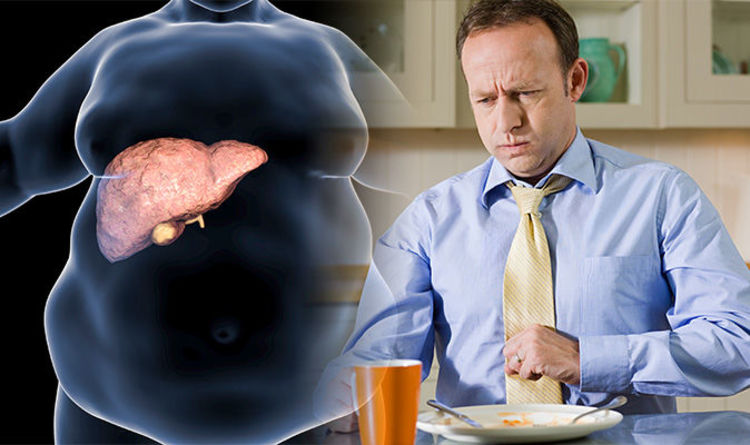
What Are the Most Common Fatty Liver Disease Symptoms?
The most important fact about fatty liver disease symptoms is that many people have none.
Early fatty liver disease may not cause noticeable changes in how you feel. It is sometimes discovered during routine blood tests, an abdominal ultrasound, or another medical evaluation.
When symptoms do occur, they may be mild and nonspecific.
Possible symptoms include:
- Tiredness or unusual fatigue
- A general feeling of being unwell
- Discomfort in the upper-right area of the abdomen
- A feeling of fullness or pressure under the right ribs
- Weakness
- Reduced appetite in some people
- Difficulty concentrating or feeling mentally tired in some cases
These symptoms can have many possible causes. Having fatigue or abdominal discomfort does not automatically mean you have fatty liver disease.
This is why symptoms alone cannot confirm the condition.
Can Fatty Liver Disease Cause No Symptoms?
Yes. Fatty liver disease often causes no symptoms, especially during its early stages.
This silent nature is one of the biggest challenges with liver disease. The liver can continue working normally even while fat is building up.
A person may discover fatty liver after:
- A routine physical exam
- Blood tests showing abnormal liver enzymes
- An abdominal ultrasound
- A CT scan or MRI performed for another reason
- An evaluation for diabetes or metabolic health
- Testing because of a family or personal risk factor
Because early disease may be silent, people with important risk factors should discuss liver health with a healthcare professional.
Also Read:Can Ulcers Cause Diarrhea? Causes, Symptoms, Treatment, and When to Get Help
Early Fatty Liver Disease Symptoms
Early fatty liver disease symptoms can be easy to overlook.
Some people report feeling more tired than usual. Others notice mild discomfort on the upper-right side of the abdomen. Some have no symptoms at all.
Fatigue
Fatigue is one of the symptoms people may notice, but it is not specific to fatty liver disease.
Poor sleep, stress, anemia, infections, thyroid problems, medications, depression, and many other conditions can cause fatigue.
If tiredness is persistent or unexplained, a medical evaluation can help identify the cause.
Upper Right Abdominal Discomfort
The liver is located in the upper-right part of the abdomen, beneath the rib cage.
Some people with fatty liver disease may experience mild discomfort, pressure, or fullness in this area.
Severe or sudden abdominal pain should not simply be assumed to be a liver symptom. Other conditions involving the gallbladder, stomach, intestines, pancreas, or other organs can cause abdominal pain.
General Feeling of Unwellness
Some people describe a vague feeling of not being at their best. This can be difficult to describe and may occur with many health conditions.
Because this symptom is so general, it cannot be used by itself to identify fatty liver disease.
Symptoms of Fatty Liver Disease in Women
Fatty liver disease can affect women and men.
Women may have no symptoms during the early stages. When symptoms occur, they are generally similar to those experienced by men.
Possible symptoms include:
- Fatigue
- Mild upper-right abdominal discomfort
- Weakness
- Reduced appetite
- A general feeling of illness
Hormonal changes and metabolic conditions can also affect liver health. Conditions such as type 2 diabetes, obesity, and abnormal blood lipid levels may increase the risk of fatty liver disease.
Women should not assume that unexplained tiredness or abdominal symptoms are caused by fatty liver. A healthcare professional can determine whether liver testing is appropriate.
Symptoms of Fatty Liver Disease in Men
Men can also have fatty liver disease without obvious symptoms.
Possible symptoms include:
- Fatigue
- Mild discomfort beneath the right ribs
- Reduced appetite
- Weakness
- General discomfort
Men with risk factors such as obesity, type 2 diabetes, high triglycerides, metabolic syndrome, or regular heavy alcohol consumption may have a higher risk of liver disease.
However, symptoms and risk factors vary from person to person.
What Does Fatty Liver Pain Feel Like?
When fatty liver disease causes discomfort, it is often described as a mild ache, pressure, fullness, or discomfort in the upper-right abdomen.
The sensation may occur below the right side of the rib cage.
Fatty liver disease does not usually cause severe, sharp abdominal pain by itself. Strong or worsening pain should be evaluated because it can have many other causes.
Do not use the location or type of pain alone to diagnose liver disease.
Can Fatty Liver Cause Bloating?
Bloating is not considered a specific symptom of fatty liver disease.
People with digestive symptoms may sometimes associate bloating with liver problems, but bloating can result from many things, including diet, constipation, food intolerance, irritable bowel syndrome, and other digestive conditions.
In advanced liver disease, fluid can build up in the abdomen. This is called ascites. Ascites is different from ordinary gas-related bloating and requires medical evaluation.
Can Fatty Liver Cause Nausea?
Nausea can occur in people with many different medical conditions, and some people with liver disease may experience nausea or reduced appetite.
However, nausea alone is not a reliable sign of fatty liver disease.
Persistent nausea, vomiting, abdominal pain, or loss of appetite should be discussed with a healthcare professional, especially when symptoms are new or worsening.
Can Fatty Liver Cause Weight Loss?
Unexplained weight loss is not a typical early symptom of simple fatty liver disease.
If someone loses a significant amount of weight without trying, it deserves medical attention.
Unintentional weight loss can have many causes, including digestive disorders, infections, endocrine conditions, cancer, chronic disease, or advanced liver problems.
Intentional weight loss can be helpful for many people with metabolic fatty liver disease, but it should be approached in a safe and sustainable way.
Advanced Fatty Liver Disease Symptoms
Simple fat buildup is not the same as advanced liver disease.
In some people, ongoing liver inflammation can cause scarring. This may eventually lead to advanced fibrosis or cirrhosis.
Symptoms become more noticeable when liver function is significantly affected.
Possible advanced symptoms include:
- Yellowing of the skin or eyes
- Swelling in the legs or ankles
- Abdominal swelling from fluid buildup
- Easy bruising
- Increased bleeding
- Severe or persistent fatigue
- Itchy skin
- Dark urine
- Pale or clay-colored stools
- Confusion or changes in alertness
- Loss of muscle mass
- Poor appetite
- Nausea
- Unintentional weight loss
These symptoms are not specific to fatty liver disease. They can occur with other serious liver and medical conditions.
Yellow Skin or Eyes: A Possible Warning Sign
Yellowing of the skin or whites of the eyes is called jaundice.
Jaundice can happen when bilirubin builds up in the body. It can occur in advanced liver disease, but it can also result from other problems involving the liver, gallbladder, bile ducts, or blood cells.
New jaundice should be medically evaluated.
It should not be treated as an ordinary fatty liver symptom that can simply be watched at home.
Swelling in the Abdomen
Advanced liver disease can cause fluid to collect in the abdomen. This condition is known as ascites.
The abdomen may become noticeably larger or feel tight.
Ascites can be a sign of significant liver disease and requires medical care.
Abdominal swelling can also have other causes, so medical evaluation is important.
Swollen Legs and Ankles
Fluid can sometimes build up in the lower legs and ankles when liver disease becomes advanced.
This swelling is called edema.
Edema also occurs with heart, kidney, circulation, medication, and other health problems. It is therefore not a specific sign of fatty liver disease.
Easy Bruising and Bleeding
The liver helps produce proteins involved in blood clotting.
When advanced liver disease interferes with liver function, a person may bruise more easily or bleed more than usual.
Unexpected bleeding or frequent unexplained bruising should be discussed with a healthcare professional.
Confusion and Changes in Alertness
Advanced liver disease can sometimes affect brain function. This is called hepatic encephalopathy.
A person may develop:
- Confusion
- Difficulty concentrating
- Changes in sleep patterns
- Personality or behavior changes
- Unusual sleepiness
- Problems with coordination
Severe confusion, extreme sleepiness, or a major change in mental status requires urgent medical attention.
What Causes Fatty Liver Disease?
Fatty liver disease can have several causes.
MASLD is strongly associated with metabolic health problems. These can include:
- Overweight or obesity
- Insulin resistance
- Type 2 diabetes
- High triglycerides
- Abnormal cholesterol
- High blood pressure
- Metabolic syndrome
- Physical inactivity
- Certain dietary patterns
Alcohol can also cause fat accumulation and liver injury.
Other possible contributors to fatty liver include certain medications, rapid weight loss, some inherited conditions, and other medical disorders.
The cause matters because treatment should be based on the individual’s overall health and type of liver disease.
Fatty Liver and Alcohol
Alcohol can contribute to liver fat and liver injury.
Alcohol-associated liver disease exists on a spectrum. It can include fatty liver, alcohol-associated hepatitis, fibrosis, cirrhosis, and other complications.
People sometimes assume that fatty liver only occurs in people who drink alcohol. That is not true.
A person can develop metabolic fatty liver disease without drinking alcohol.
Likewise, alcohol can contribute to liver disease even when other metabolic risk factors are absent.
What Is MASLD?
MASLD stands for metabolic dysfunction-associated steatotic liver disease.
It is a newer term used for fatty liver disease associated with metabolic risk factors.
The condition is closely connected with problems such as:
- Excess body weight
- Type 2 diabetes
- High blood pressure
- High cholesterol
- High triglycerides
- Insulin resistance
MASLD can be mild, but some people develop liver inflammation and scarring.
The condition is part of a broader group of liver diseases called steatotic liver disease.
What Is MASH?
MASH stands for metabolic dysfunction-associated steatohepatitis.
It is a more active form of metabolic fatty liver disease in which there is liver inflammation and liver cell injury in addition to fat buildup.
MASH can increase the risk of liver fibrosis and cirrhosis.
Not everyone with MASLD develops MASH.
Also Read:Does H. pylori Cause GERD? Understanding the Connection Between H. pylori and Acid Reflux
Doctors may use blood tests, imaging, noninvasive fibrosis tests, and, in selected cases, a liver biopsy to determine the level and type of liver injury.
Fatty Liver Disease Risk Factors
Some people have a higher chance of developing fatty liver disease.
Important risk factors include:
- Type 2 diabetes
- Overweight or obesity
- Insulin resistance
- High triglycerides
- Abnormal cholesterol
- High blood pressure
- Metabolic syndrome
- Sleep apnea
- A sedentary lifestyle
- Certain medications
- Regular heavy alcohol consumption
- A family history of liver disease
Having a risk factor does not mean that a person definitely has fatty liver disease.
It simply means that liver health may deserve greater attention.
Can Thin People Have Fatty Liver Disease?
Yes.
Although excess body weight is an important risk factor, fatty liver disease can also occur in people who are not overweight.
This is sometimes called lean or non-overweight fatty liver disease.
Genetics, diet, metabolic health, physical activity, medications, and other factors can play a role.
Body weight alone should therefore not be used to decide whether someone can have fatty liver disease.
How Is Fatty Liver Disease Diagnosed?
Symptoms alone cannot diagnose fatty liver disease.
A healthcare professional may use several types of information.
Medical History
A clinician may ask about:
- Alcohol use
- Medications
- Medical conditions
- Weight changes
- Diet
- Exercise
- Diabetes
- Cholesterol
- Blood pressure
- Family history
Blood Tests
Blood tests can provide information about liver health.
Common liver-related tests may include:
- ALT
- AST
- Alkaline phosphatase
- Bilirubin
- Albumin
- Platelet count
Doctors may also order blood tests related to glucose, cholesterol, viral hepatitis, or other possible causes of liver abnormalities.
It is important to understand that normal liver enzymes do not always rule out fatty liver disease or significant liver damage.
Ultrasound
An abdominal ultrasound is commonly used to look for liver fat.
It is noninvasive and does not use radiation.
However, ultrasound may not show the full extent of liver inflammation or fibrosis.
Other Imaging Tests
Depending on the situation, doctors may use:
- FibroScan or transient elastography
- MRI
- CT imaging
- Magnetic resonance elastography
These tests can help assess liver fat or stiffness and may help estimate the likelihood of significant fibrosis.
What Is Liver Fibrosis?
Fibrosis means scar tissue is developing in the liver.
Repeated liver injury and inflammation can cause fibrosis over time.
Fibrosis can range from mild to advanced.
Cirrhosis represents severe, advanced scarring that changes the structure and function of the liver.
One of the most important goals of fatty liver evaluation is determining whether significant fibrosis is present.
Why Fibrosis Matters More Than Liver Fat Alone
The amount of liver fat is important, but it does not tell the entire story.
Two people may both have fatty liver while having very different risks.
One person may have fat accumulation without meaningful liver injury. Another may have inflammation and significant fibrosis.
For this reason, modern liver evaluation often focuses on identifying people who may have progressive liver disease rather than simply asking whether fat is present.
This is an important distinction when interpreting a fatty liver diagnosis.
What Is the FIB-4 Score?
FIB-4 is a commonly used noninvasive scoring tool that helps estimate the risk of advanced liver fibrosis.
It uses information such as:
- Age
- AST level
- ALT level
- Platelet count
A FIB-4 score does not diagnose cirrhosis by itself.
Healthcare professionals may use it as an initial risk assessment and then decide whether additional testing is appropriate.
People should not interpret a score without considering age, medical history, laboratory methods, and clinical context.
Can Fatty Liver Disease Be Reversed?
In many people, liver fat can decrease when the underlying causes are addressed.
Improving metabolic health can be especially important.
Helpful approaches may include:
- Eating a balanced diet
- Increasing physical activity
- Losing excess weight gradually when appropriate
- Managing blood sugar
- Managing cholesterol and triglycerides
- Controlling blood pressure
- Avoiding excessive alcohol
- Taking prescribed medications correctly
- Getting enough sleep
The amount of improvement varies from person to person.
Someone with significant fibrosis or cirrhosis may need more intensive medical monitoring even if liver fat decreases.
How Weight Loss May Help Fatty Liver
For people who are overweight or have obesity, gradual weight loss can reduce liver fat and may improve liver inflammation.
Even a modest reduction in body weight can provide health benefits.
Greater weight loss may provide greater liver benefits for some people, particularly when medically appropriate.
However, rapid or extreme dieting is not the goal.
A sustainable eating and activity plan is generally more useful than short-term crash diets.
People who are pregnant, underweight, have eating disorders, or have other medical conditions should speak with a healthcare professional before attempting weight loss.
Foods That Support Liver Health
There is no single food that cures fatty liver disease.
A liver-friendly eating pattern usually emphasizes whole, minimally processed foods.
Examples include:
- Vegetables
- Fruits
- Beans
- Lentils
- Whole grains
- Nuts
- Seeds
- Fish
- Lean protein
- Unsweetened dairy or suitable alternatives
It can also help to reduce frequent intake of highly processed foods, sugary drinks, and foods high in added sugars.
The overall eating pattern matters more than one individual food.
Sugar and Fatty Liver Disease
High intake of added sugars, especially from sugary drinks, can contribute to excess calorie intake and poor metabolic health.
Examples include:
- Regular soda
- Sweetened tea
- Energy drinks
- Sweetened coffee beverages
- Some fruit drinks
- Other sugar-sweetened beverages
Replacing sugary beverages with water or unsweetened drinks can be a practical step for many people.
This does not mean all carbohydrates or all fruit must be avoided. Healthy eating is about overall food quality and balance.
Exercise and Fatty Liver Disease
Physical activity can support liver and metabolic health.
Exercise can help improve insulin sensitivity and cardiovascular fitness and may reduce liver fat.
Adults are generally encouraged to get regular aerobic and muscle-strengthening activity, adjusted for their fitness level and medical condition.
Useful activities can include:
- Walking
- Cycling
- Swimming
- Dancing
- Strength training
- Hiking
Someone who has been inactive can start with short periods of activity and gradually increase as tolerated.
Does Fatty Liver Disease Always Get Worse?
No.
Fatty liver disease does not automatically progress to cirrhosis.
Some people remain stable. Others improve after addressing metabolic or lifestyle factors.
A smaller group develops progressive inflammation and fibrosis.
Risk depends on factors such as diabetes, obesity, genetics, liver inflammation, alcohol exposure, and the amount of existing fibrosis.
This is why proper risk assessment matters.
Fatty Liver Disease and Type 2 Diabetes
Type 2 diabetes and fatty liver disease are closely connected.
Insulin resistance can promote fat accumulation in the liver.
At the same time, fatty liver disease may be associated with increased metabolic risk.
People with type 2 diabetes should discuss appropriate liver assessment with their healthcare professional, particularly when other risk factors are present.
Good blood sugar management is an important part of overall liver and cardiovascular health.
Fatty Liver Disease and High Cholesterol
High triglycerides and abnormal cholesterol are common metabolic risk factors.
Managing cholesterol and triglycerides can reduce cardiovascular risk, which is particularly important because people with metabolic fatty liver disease may have increased cardiovascular risk.
Do not stop or change cholesterol medicine because of a fatty liver diagnosis without talking with the prescribing clinician.
When Should You See a Doctor About Fatty Liver Symptoms?
You should consider speaking with a healthcare professional if you have persistent or unexplained:
- Fatigue
- Upper-right abdominal discomfort
- Abnormal liver blood tests
- Unexplained changes in weight
- Yellowing of the eyes or skin
- Abdominal swelling
- Leg swelling
- Easy bruising
- Changes in mental status
People with diabetes, obesity, high triglycerides, metabolic syndrome, or other risk factors may also benefit from discussing liver health during routine medical care.
When Are Fatty Liver Symptoms an Emergency?
Certain symptoms can indicate serious liver or other medical problems and require urgent evaluation.
Seek urgent medical attention for symptoms such as:
- Sudden severe abdominal pain
- Vomiting blood
- Black or bloody stools
- Severe confusion
- Fainting
- New severe jaundice
- Severe abdominal swelling
- Difficulty breathing
- Sudden major changes in alertness
These symptoms can have several possible causes. They should not be assumed to be ordinary fatty liver symptoms.
Common Myths About Fatty Liver Disease
Myth: Fatty liver always causes pain
Not true. Many people have no symptoms.
Also Read:How Does the Digestive and Circulatory System Work Together? A Simple Guide
Myth: Only people who drink alcohol get fatty liver
Not true. Metabolic fatty liver disease can occur in people who drink little or no alcohol.
Myth: A normal ALT means the liver is completely healthy
Not necessarily. Liver enzymes do not provide a complete picture of liver fat or fibrosis.
Myth: Only people with obesity can develop fatty liver
Not true. People without obesity can also develop fatty liver disease.
Myth: Fatty liver always turns into cirrhosis
No. Progression varies greatly among individuals.
Myth: One supplement can clean the liver
There is no simple “liver detox” supplement that can replace medical care, healthy habits, and treatment of underlying conditions.
Some supplements can actually injure the liver or interact with medications.
Frequently Asked Questions About Fatty Liver Disease Symptoms
1. Can fatty liver disease cause back pain?
Fatty liver disease is not a common direct cause of back pain. Pain in the back can have many causes, including muscle problems, spinal conditions, kidney issues, and digestive disorders. If back pain occurs together with abdominal symptoms or other concerning signs, medical evaluation can help identify the cause.
2. Can fatty liver disease affect sleep?
Fatty liver disease itself is not usually considered a direct cause of poor sleep. However, conditions commonly associated with metabolic fatty liver disease, such as obesity and sleep apnea, can affect sleep quality. Persistent daytime sleepiness, loud snoring, or breathing pauses during sleep should be discussed with a healthcare professional.
3. Can fatty liver disease cause headaches?
Headaches are not a typical specific symptom of fatty liver disease. Headaches are common and may result from dehydration, stress, sleep problems, infections, medications, migraines, blood pressure problems, or many other causes. A recurring or severe headache deserves appropriate medical evaluation.
4. Can fatty liver disease change bowel movements?
Fatty liver disease does not usually cause a specific pattern of bowel movements. However, advanced liver and bile-related problems can sometimes affect stool color. Very pale or clay-colored stools, particularly when accompanied by jaundice or dark urine, should be medically evaluated.
5. Can fatty liver disease affect mental health?
A fatty liver diagnosis can understandably cause worry or stress. In advanced liver disease, changes in brain function called hepatic encephalopathy can occur. This is different from ordinary stress about a diagnosis. New confusion, unusual sleepiness, personality changes, or major changes in alertness require prompt medical attention.
How to Talk to Your Doctor About Fatty Liver Disease
If you are concerned about fatty liver disease symptoms, preparation can make your medical visit more useful.
Consider writing down:
- Your symptoms and when they started
- Any recent weight changes
- Your medications and supplements
- Your alcohol intake
- Your exercise habits
- Any history of diabetes
- Cholesterol and triglyceride results if known
- Previous liver test results
- Relevant family medical history
You can also ask:
- Do I need liver blood tests?
- Could my symptoms have another cause?
- Do I have risk factors for fatty liver disease?
- Should I have an ultrasound or other liver imaging?
- Do I need a fibrosis risk assessment?
- What lifestyle changes would be most useful for me?
- Should I see a liver specialist?
How to Protect Your Liver Long Term
Liver health is connected to overall health.
Practical steps include:
- Stay physically active.
- Choose mostly whole and minimally processed foods.
- Limit sugary drinks and excessive added sugar.
- Maintain a healthy weight or work toward gradual weight loss when medically appropriate.
- Manage diabetes and blood pressure.
- Monitor cholesterol and triglycerides.
- Avoid excessive alcohol.
- Tell your healthcare professional about medications and supplements.
- Keep recommended medical appointments.
- Follow up if liver tests are abnormal.
There is no single “perfect liver diet.” Consistency matters more than perfection.
Conclusion
Fatty liver disease symptoms can be difficult to recognize because the condition often causes no symptoms in its early stages. When symptoms do appear, fatigue, mild upper-right abdominal discomfort, weakness, or a general feeling of being unwell may occur, but these symptoms are not specific to fatty liver disease.
The more important concern is whether fatty liver has caused inflammation or fibrosis. Advanced liver disease may produce warning signs such as jaundice, abdominal fluid buildup, swollen legs, easy bruising, or changes in mental alertness.
The good news is that early identification can provide an opportunity to protect liver health. Managing weight when appropriate, improving diet, exercising regularly, controlling blood sugar and cholesterol, avoiding excessive alcohol, and working with a healthcare professional can all play important roles.
If you are experiencing persistent symptoms or have risk factors for fatty liver disease, do not rely on symptoms alone. A healthcare professional can use your medical history, blood tests, imaging, and fibrosis assessment to determine what is happening.
Most importantly, a fatty liver diagnosis does not automatically mean that serious liver damage is inevitable. Understanding your risk, finding the condition early, and taking practical steps to improve metabolic and liver health can make a meaningful difference.
Explore more calm, practical guides on mental health, positivity and wellness at GoodMoodDotCom.com.