
Dermatology involves the study, diagnosis, and treatment of skin, hair, and nail conditions. This medical field encompasses a wide range of procedures designed to address both medical and cosmetic concerns. Patients seeking care can expect a thorough evaluation of their specific condition, and a treatment plan will be established based on the findings. Here is more information on common procedures dermatologists offer:
What Is Dermatology?
Dermatology is a specialized branch of medicine focused on the skin, which is the body’s largest organ. It covers the diagnosis and management of diseases affecting the skin, hair, nails, and mucous membranes. Dermatologists recognize systemic diseases that manifest on the skin, and they are skilled in a range of surgical and nonsurgical techniques.
What Conditions Do Dermatologists Treat?
Dermatologists manage a wide range of conditions, from mild rashes to skin cancers. Common issues include acne, eczema, psoriasis, and rosacea. Acne occurs when hair follicles become plugged with oil and dead skin cells, and it can result in whiteheads, blackheads, or pimples. Treatment protocols may include topical medications, oral antibiotics, or light therapies to reduce bacterial load and inflammation.
Skin cancer detection is a primary function of dermatological practice. Early identification of melanoma, basal cell carcinoma, and squamous cell carcinoma can lead to more effective treatment outcomes. Regular screenings allow monitoring of moles and other skin changes, and this proactive approach aids in early intervention.
What Are Common Procedures?
A skin biopsy is a common diagnostic procedure in which a small sample of skin is removed for laboratory testing. This test helps confirm diagnoses of conditions such as skin cancer or infection, and it helps the dermatologist formulate a treatment plan. Cryotherapy uses extreme cold to destroy abnormal tissue. This method is minimally invasive, and it may be completed quickly during a standard office visit.
Excision is a surgical procedure used to remove growths, cysts, or skin cancers. The dermatologist removes the lesion along with a margin of healthy skin to confirm the complete removal of abnormal cells. Sutures may be required to close the wound, and the removed tissue is sent for pathological review. Cosmetic procedures include Botox, dermal fillers, CoolSculpting, and laser hair removal.
What Are the Benefits?
Medical dermatology procedures relieve symptoms associated with chronic skin conditions. Treatments for eczema or psoriasis reduce itching and inflammation, and this may improve the patient’s daily quality of life. Effective management of these conditions helps prevent complications such as secondary infections or permanent scarring.
Cosmetic procedures address concerns related to aging, sun damage, or scarring. Laser therapies rejuvenate the skin’s appearance, and these interventions can result in a smoother texture and a more even skin tone. These procedures promote collagen production and remove damaged outer layers of the skin.
What Is Recovery Like?
Recovery times vary depending on the specific procedure performed. Minor treatments like cryotherapy or superficial biopsies typically require minimal downtime, and patients often return to normal activities immediately. Surgical excisions generally require a longer healing period. Following post-operative instructions is necessary for proper healing and scar minimization.
Consult a Dermatologist Today
Professional dermatological care provides comprehensive management for a wide array of skin concerns. Whether the issue is medical or cosmetic, a dermatologist offers specialized knowledge and effective treatment options. An initial consultation allows for a full assessment and the development of a tailored care plan. Schedule an appointment to address skin health needs, and a specialist will provide expert guidance on appropriate procedures.
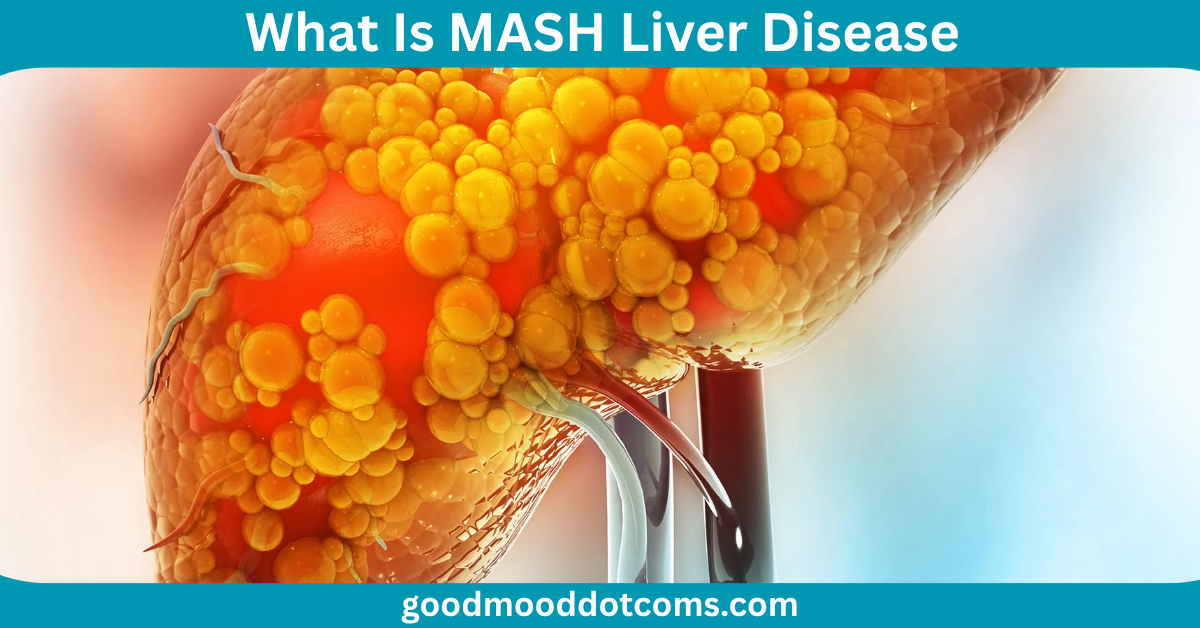
- What Is MASH Liver Disease? Symptoms, Causes, Stages, and Treatment
- Can Fatty Liver Disease Symptoms Appear Without Warning?
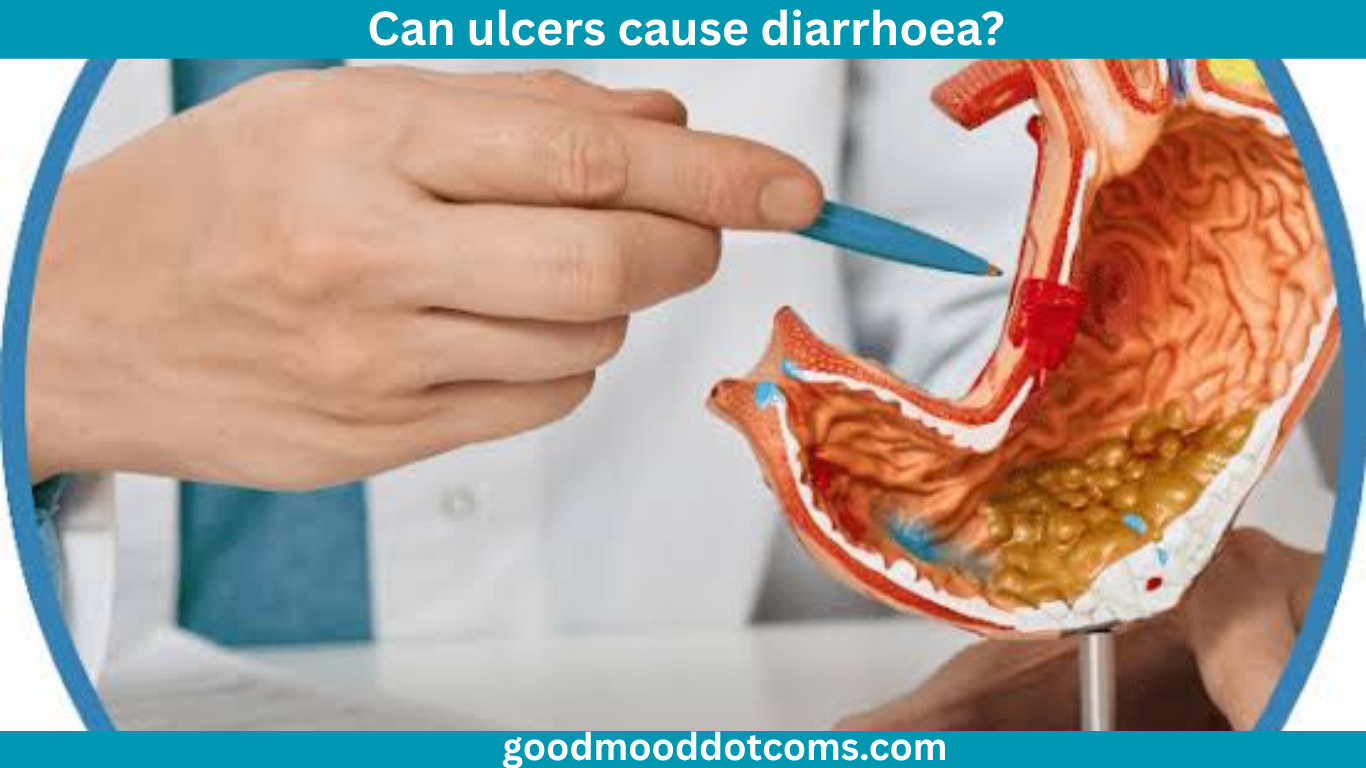
- Can Ulcers Cause Diarrhea? Causes, Symptoms, Treatment, and When to Get Help
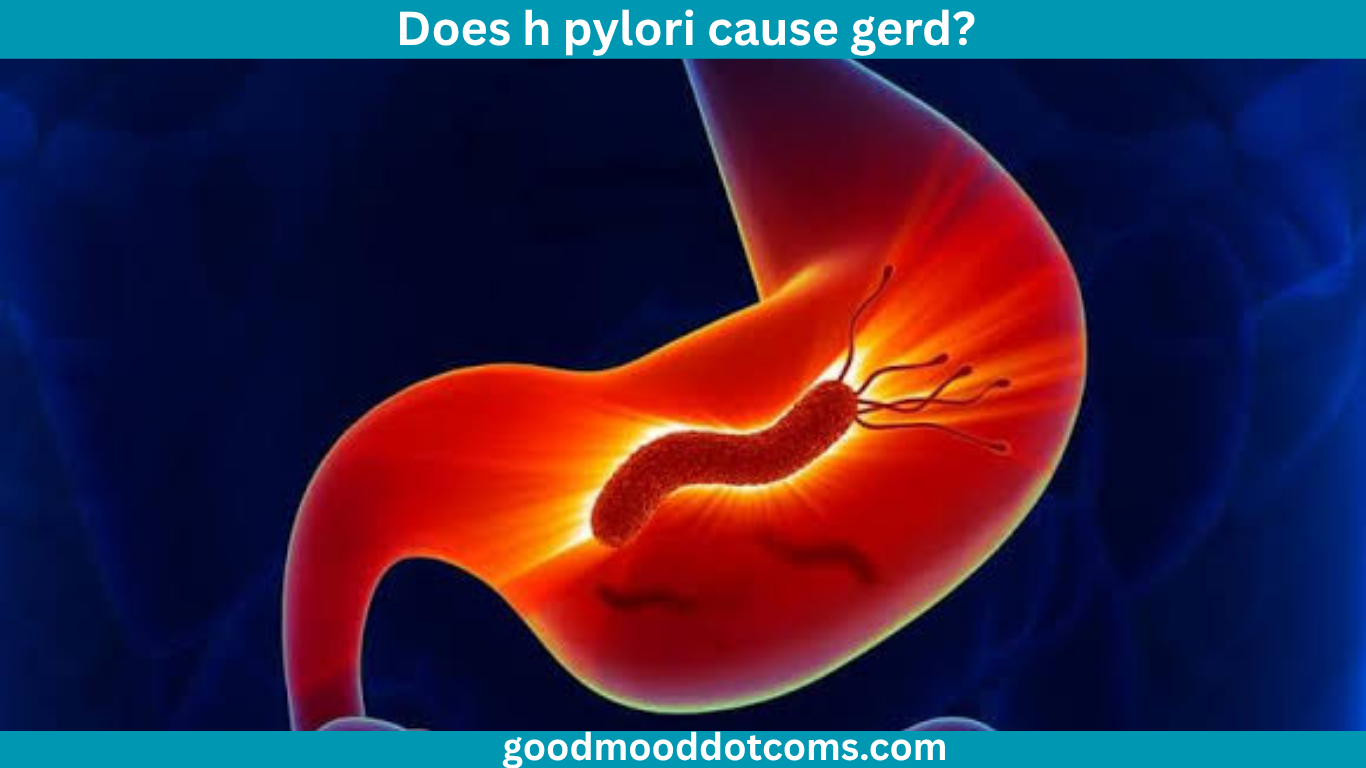
- Does H. pylori Cause GERD? Understanding the Connection Between H. pylori and Acid Reflux
- How Does the Digestive and Circulatory System Work Together? A Simple Guide
Social Sharing
Your Content Goes Here
Latest Posts