
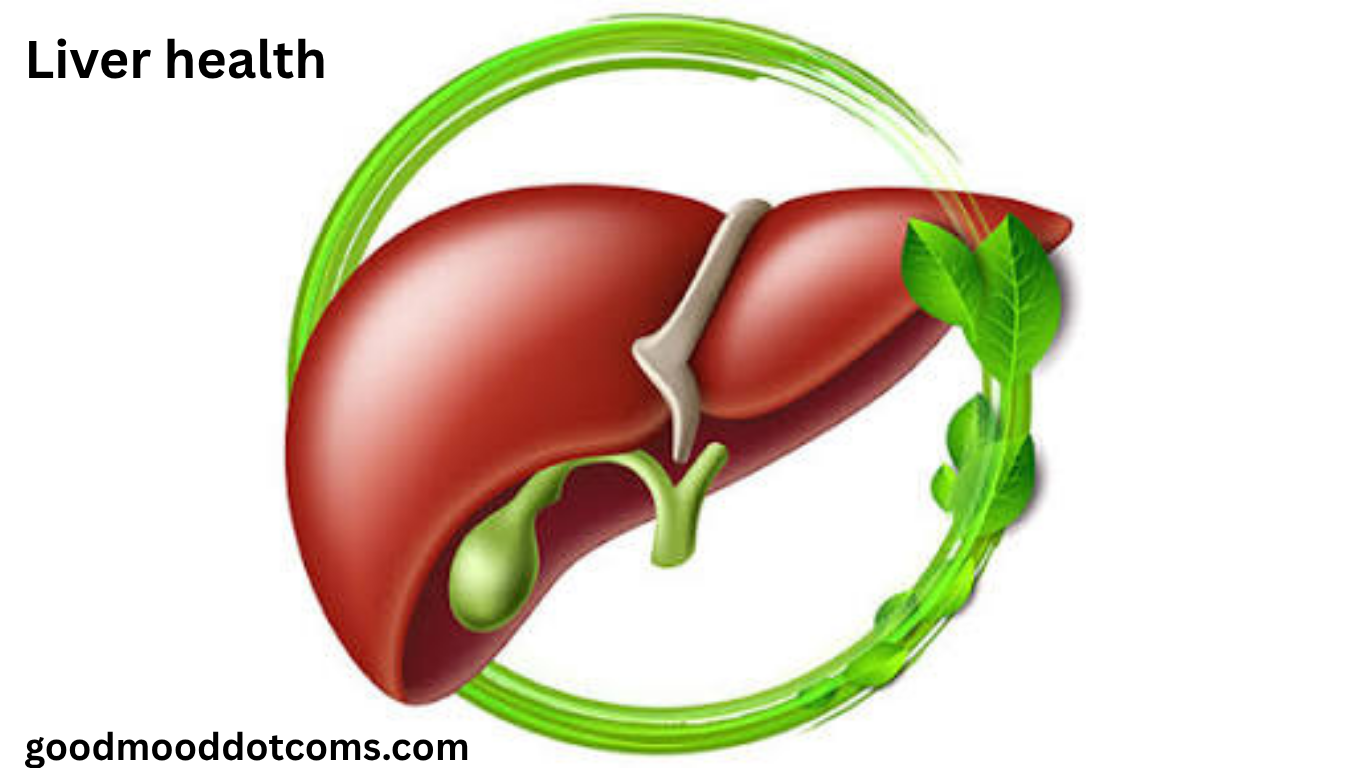
Liver health is an important part of overall health, but it is often overlooked until a problem develops. The liver performs many essential jobs every day. It helps process nutrients from food, produces important substances, supports digestion, stores energy, and helps the body process medicines and other substances. Because the liver performs so many functions, protecting it is an important part of a healthy lifestyle.
The good news is that many everyday habits can support liver health. Eating a balanced diet, maintaining a healthy weight, staying physically active, limiting or avoiding alcohol, using medicines safely, and preventing viral hepatitis can all play an important role. However, liver health is not about finding one “detox” food or one miracle supplement. It is about reducing preventable damage and supporting the body over time.
The liver can also be affected by several different conditions. These include viral hepatitis, alcohol-associated liver disease, metabolic dysfunction-associated steatotic liver disease (MASLD), autoimmune liver diseases, inherited conditions, medication-related liver injury, and other disorders. Some liver diseases can develop with few or no symptoms, which is one reason regular medical care and appropriate testing are important.
A major change in liver health terminology is also worth knowing. The condition once widely called nonalcoholic fatty liver disease (NAFLD) is now generally called metabolic dysfunction-associated steatotic liver disease, or MASLD. The term nonalcoholic steatohepatitis (NASH) has also been replaced by metabolic dysfunction-associated steatohepatitis (MASH). The updated terminology recognizes the important role of metabolic health in liver disease.
This guide explains what liver health means, why the liver matters, common threats to the liver, foods and lifestyle habits that may support it, symptoms that should not be ignored, and practical ways to build a liver-friendly routine.
What Is Liver Health?
Liver health refers to the condition and proper functioning of the liver. A healthy liver needs to perform its many normal functions without significant inflammation, excessive fat accumulation, infection, or progressive scarring.
The liver is part of the digestive system, but its role goes far beyond digestion. It processes nutrients absorbed from the digestive tract and helps distribute or store them. It also produces substances needed by the body and participates in the processing of medicines and other chemicals.
Liver health can be affected by many different factors. Some are related to lifestyle, while others are caused by infections, genetics, immune problems, medications, or other medical conditions.
This is why there is no single liver-health plan that works for everyone.
A person with no liver disease may focus on prevention. Someone with MASLD may need to work on metabolic health and weight management. A person with hepatitis may need specific medical treatment. Someone with advanced liver disease may need a carefully designed nutrition and medical plan.
The right approach depends on the individual.
Why Liver Health Matters
The liver is one of the body’s largest and most important organs. It performs many functions that are essential for life.
Some major liver functions include:
- Processing nutrients from food
- Helping regulate energy storage and use
- Producing bile for digestion
- Processing many medicines and chemicals
- Producing important blood proteins
- Supporting normal metabolism
- Helping process substances that the body needs to remove
Because the liver is involved in so many processes, long-term liver damage can affect many parts of the body.
Liver disease can sometimes progress from inflammation or fat accumulation to fibrosis, which means scarring. More advanced scarring can lead to cirrhosis, a serious condition in which normal liver tissue is replaced by scar tissue and liver function can become impaired.

Max Healthcare
Protecting liver health is therefore about more than avoiding one disease. It is about helping preserve an organ that supports many essential body functions.
Common Conditions That Can Affect Liver Health
There are many types of liver disease. Some are temporary, while others can become long-term conditions.
Common examples include:
- Metabolic dysfunction-associated steatotic liver disease (MASLD)
- Metabolic dysfunction-associated steatohepatitis (MASH)
- Alcohol-associated liver disease
- Hepatitis A
- Hepatitis B
- Hepatitis C
- Autoimmune hepatitis
- Cirrhosis
- Medication-related liver injury
- Certain inherited liver diseases
The causes are different, so treatment is also different.
For example, hepatitis C is caused by a virus and can often be cured with modern antiviral medicines. Untreated chronic hepatitis C can cause cirrhosis, liver failure, and liver cancer.
This is an important reason not to treat all liver problems as if they were simply the result of diet.
What Is MASLD?
MASLD is a condition in which excess fat builds up in the liver in association with metabolic risk factors.
It was previously called nonalcoholic fatty liver disease, or NAFLD. The terminology changed as experts gained a better understanding of the relationship between liver fat and metabolic health.
MASLD is often associated with conditions such as:
- Overweight or obesity
- Insulin resistance
- Type 2 diabetes
- High blood pressure
- Abnormal cholesterol or triglyceride levels
- Metabolic syndrome
The important point is that MASLD is not simply a “liver problem.” It is closely connected with overall metabolic health.
This means improving blood sugar control, physical activity, food quality, and weight when appropriate can be relevant to both liver health and general health.
What Is MASH?
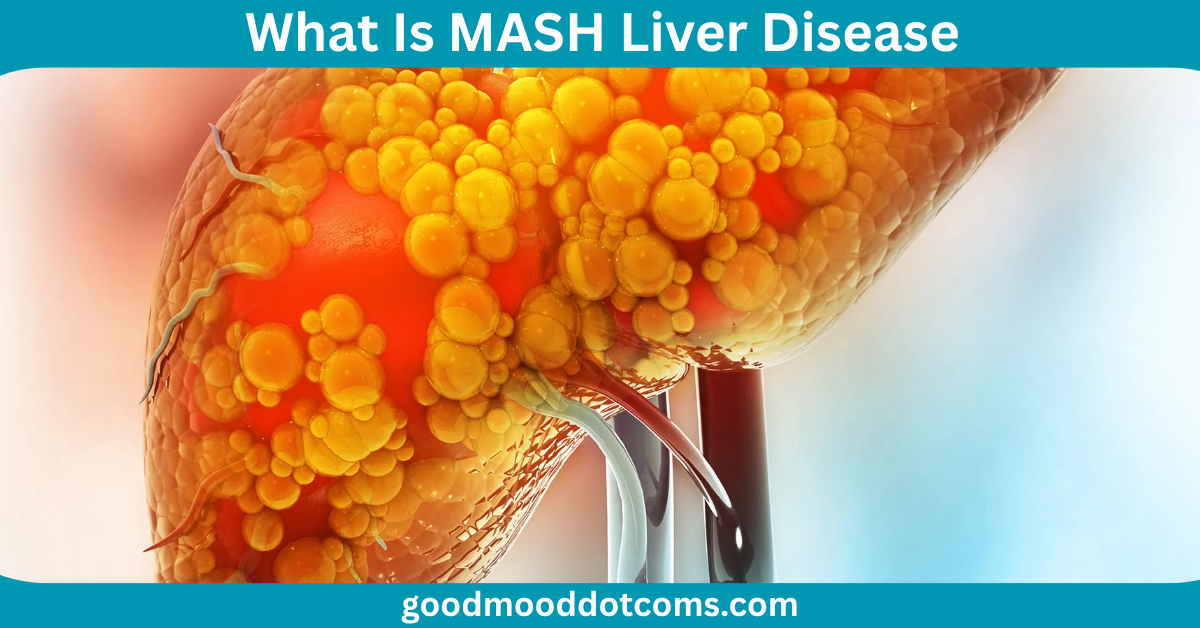
MASH is a more active form of metabolic dysfunction-associated steatotic liver disease. It involves liver fat along with inflammation and liver injury.
MASH can progress to fibrosis and, in some people, cirrhosis.
Medical treatment for these conditions is changing quickly. The American Association for the Study of Liver Diseases updated its guidance in 2025 regarding semaglutide therapy for selected patients with MASH and moderate-to-advanced fibrosis.
This does not mean everyone with liver fat should take medication. Treatment decisions depend on the individual’s diagnosis, fibrosis stage, metabolic health, other medical conditions, and clinician assessment.
Alcohol and Liver Health
Alcohol is one of the major factors that can contribute to liver damage.
The liver processes alcohol, but excessive alcohol exposure can cause inflammation and injury. Continued heavy alcohol use can contribute to alcohol-associated liver disease and, in severe cases, cirrhosis.
If someone already has liver disease, avoiding alcohol may be particularly important. For example, NIDDK advises people with hepatitis C to avoid alcohol because it can cause additional liver damage.
For people with alcohol-associated liver disease, medical guidance may include completely stopping alcohol and getting appropriate support for alcohol treatment when needed.
The practical lesson is simple: if you are concerned about liver health, alcohol should not be treated as harmless simply because it is consumed in small amounts on some occasions.
People who drink regularly and find it difficult to stop should speak with a healthcare professional rather than trying to manage the problem alone.
Liver Health and Weight Management
Body weight and metabolic health can have an important relationship with liver health.
Excess body weight, insulin resistance, and type 2 diabetes are among the factors associated with MASLD.
For people with MASLD who have overweight or obesity, gradual weight loss can reduce liver fat and may also improve inflammation and fibrosis. NIDDK notes that losing at least 3% to 5% of body weight can reduce liver fat, while some people may need greater weight loss to improve inflammation and fibrosis.
However, this does not mean that everyone needs to pursue aggressive weight loss.
Rapid weight loss and malnutrition can actually be harmful in some liver conditions. NIDDK specifically recommends gradual weight loss rather than rapid weight loss for people being treated for fatty liver disease.
The better goal is sustainable improvement.
The Connection Between Diabetes and Liver Health
Blood sugar and liver health are closely connected.
Type 2 diabetes and insulin resistance can increase the risk of metabolic liver disease. At the same time, liver fat and metabolic dysfunction can be part of a broader pattern involving blood sugar, cholesterol, blood pressure, and body weight.
This is why liver health should not be considered separately from metabolic health.
Helpful habits can include:
- Eating more fiber-rich foods
- Choosing minimally processed foods more often
- Limiting sugary drinks
- Being physically active
- Maintaining a healthy weight when appropriate
- Following prescribed diabetes treatment
- Getting recommended health checks
If you have diabetes, your healthcare team can help determine whether liver testing or additional evaluation is appropriate.
Best Foods for Liver Health
There is no single food that can “clean” or “detox” the liver.
Instead, the best foods for liver health are generally foods that support an overall balanced eating pattern.
Useful choices include:
- Vegetables
- Fruits
- Beans
- Lentils
- Whole grains
- Nuts
- Seeds
- Fish
- Lean protein sources
- Unsaturated fats
- Plain yogurt and other nutritious foods that fit your needs
NIDDK recommends healthy dietary patterns, appropriate portion sizes, and maintaining a healthy weight for preventing or managing fatty liver disease. It also recommends limiting saturated and trans fats and choosing unsaturated fats instead.
The goal is not to create a perfect “liver diet.” It is to create an eating pattern that is nutritious and sustainable.
Vegetables and Liver Health
Vegetables are valuable because they provide fiber, vitamins, minerals, and plant compounds while generally being relatively low in calories.
A varied selection is better than eating the same vegetable every day.
Try including:
- Spinach
- Broccoli
- Carrots
- Peppers
- Cabbage
- Cauliflower
- Tomatoes
- Green beans
- Sweet potatoes
- Brussels sprouts
Fresh, frozen, and many forms of canned vegetables can fit into a healthy diet.
The simplest strategy is to make vegetables a regular part of lunch and dinner.
Fruits and Liver Health
Whole fruits can also fit into a liver-friendly eating pattern.
Examples include:
- Apples
- Berries
- Oranges
- Pears
- Peaches
- Kiwi
- Bananas
Whole fruit contains fiber and is generally more filling than drinking fruit juice.
This distinction matters because beverages containing large amounts of added or naturally concentrated sugars can be easy to consume quickly.
NIDDK specifically recommends limiting foods and drinks containing large amounts of simple sugars, including sugar-sweetened beverages, in the context of fatty liver disease.
Fruit does not need to be eliminated simply because it contains natural sugar.
The bigger issue is the overall dietary pattern and the form in which the food is consumed.
Whole Grains and Liver Health
Whole grains can provide fiber and other nutrients.
Examples include:
- Oats
- Brown rice
- Barley
- Quinoa
- Whole-grain bread
- Whole-grain pasta
Replacing some refined grains with whole grains can be a practical dietary change.
For people with fatty liver disease, NIDDK recommends choosing lower-glycemic foods such as most fruits, vegetables, and whole grains more often.
You do not need to make every grain whole grain immediately.
Start with one meal.
For example, use oatmeal at breakfast or brown rice at dinner a few times per week.
Beans and Lentils
Beans and lentils provide fiber and plant-based protein.
They can be added to soups, salads, chili, grain bowls, and many other meals.
They are also useful because they can replace some higher-fat or highly processed foods.
A simple meal might include:
- Black beans
- Brown rice
- Peppers
- Tomatoes
- Lettuce
- Avocado
This provides a combination of plant foods and nutrients without requiring expensive specialty products.
Fish and Healthy Fats
Fish can provide protein and, depending on the type, omega-3 fatty acids.
Examples include salmon, sardines, trout, and other fatty fish.
Unsaturated fats can also come from foods such as:
- Olive oil
- Avocado
- Walnuts
- Almonds
- Seeds
For people with fatty liver disease, NIDDK recommends replacing saturated and trans fats with unsaturated fats, including omega-3 fatty acids.
The key is portion size. Even healthy fats contain calories, so they should be part of a balanced diet rather than consumed without limits.
Foods and Drinks to Limit for Better Liver Health
A liver-friendly diet is not simply a list of foods to eat.
It also involves being mindful of foods and drinks that may contribute to metabolic problems or excessive calorie intake.
Depending on your individual health needs, it can be useful to limit:
- Sugar-sweetened beverages
- Excessive added sugars
- Highly processed foods
- Large portions of refined carbohydrates
- Foods high in saturated fat
- Foods containing trans fats
- Excessive alcohol
NIDDK specifically highlights limiting foods and drinks high in simple sugars and choosing healthier types of fat for people concerned about fatty liver disease.
Again, the goal is not perfection.
An occasional less-healthy food does not determine your liver health.
Your overall pattern matters much more.
Why Sugary Drinks Deserve Special Attention
Sugary drinks can add substantial amounts of sugar and calories without creating the same feeling of fullness as solid food.
Examples include:
- Regular soda
- Sweetened tea
- Energy drinks with added sugar
- Sweetened coffee beverages
- Sports drinks with added sugar
- Some fruit drinks
NIDDK recommends limiting drinks with large amounts of simple sugars, including sweetened soft drinks and sweetened tea, particularly in the context of fatty liver disease.
Water is usually a simple alternative.
If plain water feels boring, try sparkling water or water flavored with slices of lemon, lime, cucumber, or fruit.
Exercise and Liver Health
Physical activity is another important part of liver health.
Exercise can support metabolic health even when it does not result in major weight loss.
NIDDK notes that physical activity can benefit people with fatty liver disease even without weight loss.
You do not need to become an elite athlete.
A practical routine might include:
- Walking
- Cycling
- Swimming
- Strength training
- Dancing
- Hiking
- Other activities you enjoy
The best exercise is often the one you can continue.
If you currently do very little physical activity, begin gradually.

NDTV
Walking for Liver Health
Walking is one of the easiest ways to become more active.
You can start with a short walk after a meal or during a break from work.
Over time, you can increase duration and frequency.
Walking can also support blood sugar management, cardiovascular fitness, and weight management, which are relevant to metabolic health.
It does not need to be complicated.
Consistency is more important than having a perfect workout routine.
Strength Training and Liver Health
Strength training can also be useful.
Building and maintaining muscle supports physical function and metabolic health.
Simple exercises can include:
- Squats
- Wall push-ups
- Resistance-band exercises
- Light dumbbell exercises
- Step-ups
People with medical conditions should ask their healthcare professional what level of exercise is appropriate.
Liver Health and Hydration
Water is essential for normal body function.
Staying adequately hydrated supports many body processes, although drinking excessive amounts of water does not “flush toxins” out of the liver.
A practical approach is to drink regularly throughout the day and adjust intake based on activity, climate, and individual needs.
People with certain medical conditions may have specific fluid restrictions, so individualized advice is important in those situations.
Liver Health and Sleep
Sleep is not a liver treatment by itself, but healthy sleep is an important part of overall metabolic and physical health.
Poor sleep can make it harder to maintain healthy eating patterns, exercise regularly, and manage weight and blood sugar.
A consistent sleep schedule can help.
Try to:
- Go to bed at a regular time
- Keep the bedroom comfortable
- Reduce unnecessary screen use before bed
- Avoid very large meals immediately before sleeping
- Address persistent sleep problems with a healthcare professional
Healthy liver habits work best as part of a complete lifestyle.
Stress and Liver Health
Stress does not automatically cause liver disease, but long-term stress can make healthy habits harder to maintain.
Someone who is stressed may eat more highly processed foods, sleep poorly, drink more alcohol, or exercise less.
Stress management can therefore indirectly support a healthier lifestyle.
Useful options include:
- Walking
- Breathing exercises
- Meditation
- Time outdoors
- Social connection
- Hobbies
- Regular physical activity
The goal is not to eliminate all stress.
The goal is to develop healthier ways to manage it.
Medicines and Liver Health
Many medicines are processed by the liver.
This does not mean prescription medicines are dangerous for the liver. Medicines are often necessary and should be taken according to medical instructions.
The important point is to avoid taking more than recommended or combining medicines without checking whether they are safe together.
Tell your healthcare professional about all medicines and supplements you use.
This includes:
- Prescription medicines
- Over-the-counter medicines
- Vitamins
- Herbal products
- Weight-loss products
- Sports supplements
Some herbal and dietary supplements can cause liver injury. NIDDK specifically warns that some herbal remedies may damage the liver.
Be Careful With “Liver Detox” Supplements
The word “detox” is widely used in marketing.
Many products claim to cleanse the liver, remove toxins, or rapidly improve liver function.
These claims should be treated carefully.
The liver already performs natural processing and metabolic functions. Taking an unproven supplement does not necessarily make those processes work better.
Some supplements can actually cause liver injury.
Before taking a supplement marketed for liver health, discuss it with a qualified healthcare professional.
A safer foundation is usually:
- Nutritious food
- Regular exercise
- Healthy weight management
- Appropriate medical care
- Avoiding excessive alcohol
- Safe medication use
Viral Hepatitis and Liver Health
Viral hepatitis can cause liver inflammation and damage.
Hepatitis A, hepatitis B, and hepatitis C are important examples, but they differ in how they spread, how they are prevented, and how they are treated.
Hepatitis B and hepatitis C can become chronic infections and cause long-term liver damage.
Hepatitis C is particularly important because many people have few or no symptoms. NIDDK states that doctors typically recommend hepatitis C screening at least once for all adults, as well as screening during every pregnancy and for people with certain risk factors.
Early diagnosis matters because effective treatment can prevent serious complications.
Hepatitis C and Liver Health
Hepatitis C is caused by the hepatitis C virus and spreads through contact with infected blood.
It can become chronic and, if untreated, can contribute to cirrhosis, liver failure, and liver cancer. Modern antiviral medicines can cure most cases.
There is currently no hepatitis C vaccine.
People can reduce exposure risk by avoiding shared needles and other blood-contaminated equipment and by ensuring tattoo and piercing equipment is sterile.
If you think you may have been exposed to hepatitis C, talk with a healthcare professional about testing.
Hepatitis A and Hepatitis B Prevention
Vaccination is an important tool for preventing certain forms of viral hepatitis.
Depending on age, medical history, occupation, travel, and other risk factors, a healthcare professional may recommend hepatitis A or hepatitis B vaccination.
People with certain liver conditions may also be advised to protect themselves from additional viral infections that could place extra stress on the liver.
Ask your healthcare professional whether you are up to date on recommended vaccinations.
Common Symptoms of Liver Problems
Liver disease does not always cause obvious symptoms in its early stages.
For example, MASLD often causes few or no symptoms. Some people may experience fatigue or discomfort in the upper-right area of the abdomen.
More advanced liver disease can cause signs such as:
- Yellow skin or eyes
- Dark urine
- Swelling in the abdomen
- Severe itching
- Unusual tiredness
- Loss of appetite
- Confusion in advanced disease
- Easy bruising or bleeding
NIDDK identifies jaundice, dark urine, abdominal fluid buildup, and severe itching among possible symptoms associated with cirrhosis.
These symptoms do not automatically mean someone has liver disease, but they deserve medical evaluation.
Can You Have Liver Disease Without Symptoms?
Yes.
This is one of the most important facts about liver health.
Some liver conditions can develop silently.
A person may feel completely normal while liver fat, inflammation, or fibrosis is developing.
That is why people with risk factors such as obesity, type 2 diabetes, metabolic syndrome, or certain viral exposures may need appropriate screening or evaluation.
NIDDK notes that MASLD often has few or no symptoms.
Feeling healthy is valuable, but it does not always prove that every internal organ is healthy.
How Doctors Check Liver Health
A healthcare professional may evaluate liver health using several types of information.
These can include:
- Medical history
- Physical examination
- Blood tests
- Imaging
- Fibrosis assessment
- Other specialized tests
For fatty liver disease, doctors may consider risk factors such as body weight, diabetes, triglycerides, cholesterol, metabolic syndrome, physical activity, diet, and alcohol use.
The exact tests depend on the person’s symptoms, risk factors, and medical history.
A liver enzyme test alone does not tell the complete story.
This is important because some people with significant liver disease may not have dramatically abnormal routine blood tests.
Liver Enzymes and Liver Health
You may have heard of ALT and AST.
These are enzymes that can be measured in blood.
Elevated levels can be associated with liver injury, but they are not a complete measure of liver health.
A healthcare professional may look at several laboratory values together with medical history and imaging.
This is why it is not wise to interpret one laboratory number without context.
Liver Fibrosis and Why It Matters
Fibrosis means scar tissue has developed in the liver.
Small amounts of fibrosis may be reversible or manageable depending on the underlying cause, but progressive fibrosis can eventually lead to cirrhosis.
Modern liver care increasingly focuses on identifying people at risk of significant fibrosis before advanced disease develops.
In March 2026, the American Association for the Study of Liver Diseases announced a national initiative focused on improving early detection of liver fibrosis in people at risk for MASLD, particularly those with cardiometabolic risk factors.
This reflects an important change in liver care: finding significant disease earlier can create more opportunities for prevention and treatment.
Cirrhosis and Liver Health
Cirrhosis is advanced scarring of the liver.
It can develop from several causes, including alcohol-associated liver disease, metabolic liver disease, and chronic hepatitis B or C.
Cirrhosis can interfere with normal liver function and blood flow through the liver.
It can also lead to complications such as:
- Fluid buildup
- Bleeding problems
- Confusion
- Infections
- Liver failure
- Increased risk of liver cancer
If someone has cirrhosis, lifestyle advice should be individualized by their healthcare team.
General internet advice may not be appropriate for advanced liver disease.
A Simple Daily Routine for Liver Health
You do not need a complicated routine.
A practical day could look like this:
Morning
Start with a nutritious breakfast containing protein and fiber.
Examples include oatmeal with berries and nuts or plain yogurt with fruit and seeds.
Afternoon
Choose a lunch with vegetables, whole grains, and a protein source.
Take a short walk if possible.
Evening
Eat a balanced dinner and avoid regularly relying on large amounts of highly processed foods.
Choose water or another low-sugar drink.
Throughout the Day
Stay physically active, take medications only as directed, and avoid unnecessary supplements.
This simple routine is more realistic than a strict detox program.

Mega Lifesciences
A Sample Liver-Friendly Meal Plan
A sample day could include:
Breakfast: Oatmeal with blueberries, walnuts, and plain yogurt.
Lunch: Grilled chicken or beans with brown rice, spinach, tomatoes, and avocado.
Snack: Apple with a small amount of peanut butter.
Dinner: Baked salmon, roasted broccoli, and a baked sweet potato.
Drink: Water, unsweetened tea, or another low-sugar beverage.
This is only an example.
People with diabetes, kidney disease, advanced liver disease, food allergies, or other medical conditions may need a different plan.
How to Make Liver-Healthy Eating Easier
Healthy eating becomes easier when you make the environment work for you.
Keep fruit visible.
Prepare vegetables ahead of time.
Cook beans or grains in batches.
Keep healthy snacks available.
Use smaller portions of foods that are high in calories.
Drink water regularly.
Plan meals before you become extremely hungry.
These small changes can reduce the need for willpower.
Do You Need a Special Liver Diet?
Most healthy people do not need a special liver diet.
A balanced eating pattern is usually more useful.
However, people with diagnosed liver disease may need specific dietary adjustments.
For example, someone with advanced cirrhosis may have different nutritional needs from someone with early MASLD.
This is why a “one-size-fits-all liver diet” can be misleading.
If you have liver disease, ask your doctor or a registered dietitian for advice based on your specific condition.
Liver Health and Coffee
Coffee is often discussed in research about liver health.
Studies have associated coffee consumption with several potentially favorable liver outcomes, but this does not mean everyone should start drinking coffee or that coffee is a treatment for liver disease.
People who already enjoy coffee can discuss their intake with their healthcare professional, especially if they have conditions that make caffeine problematic.
The bigger lesson is not to turn coffee into another “miracle food.”
Liver health depends on the overall lifestyle pattern.
Liver Health and Herbal Remedies
Natural does not automatically mean safe.
Some herbs and concentrated supplements can affect the liver.
This is particularly important because products marketed as “natural liver cleansers” may contain multiple ingredients whose safety is difficult to evaluate.
Always tell your healthcare professional about supplements you take.
If you develop symptoms such as jaundice, dark urine, severe itching, abdominal pain, or unusual fatigue after starting a supplement, seek medical advice promptly.
Liver Health for Different Age Groups
Liver health matters throughout life.
Children can develop certain inherited, metabolic, or other liver conditions.
Adults may face increasing risks from obesity, diabetes, alcohol exposure, viral hepatitis, and medication use.
Older adults may have additional medical conditions and may take multiple medicines, making medication review particularly important.
The right prevention strategy therefore changes with age.
Liver Health for People With Diabetes
People with diabetes may benefit from paying particular attention to liver health because type 2 diabetes is a risk factor for MASLD.
Helpful steps include:
- Following the diabetes care plan
- Eating a balanced diet
- Staying physically active
- Managing body weight when appropriate
- Limiting sugary drinks
- Attending recommended medical appointments
- Asking whether liver evaluation is appropriate
Do not stop prescribed diabetes medicine because you are worried about your liver. Discuss concerns with your healthcare professional.
Liver Health for People With High Cholesterol
High cholesterol and other metabolic risk factors can occur alongside fatty liver disease.
Improving diet, physical activity, and cardiovascular health can therefore support several health goals at the same time.
If you take cholesterol medication, continue it as prescribed unless your healthcare professional tells you otherwise.
Medication decisions should be based on medical evaluation rather than fear of possible liver effects.
What “Natural Liver Support” Really Means
The phrase “natural liver support” is often used in online marketing.
A more useful interpretation is simple:
Support your liver by reducing avoidable sources of injury and maintaining healthy habits.
That means:
- Avoid excessive alcohol
- Eat a balanced diet
- Exercise regularly
- Maintain a healthy weight when appropriate
- Avoid unnecessary supplements
- Use medicines safely
- Prevent hepatitis when possible
- Get medical care when symptoms or risk factors appear
This approach is less exciting than a miracle detox product, but it is far more practical.
Common Liver Health Myths
Myth 1: You Need a Liver Detox
Your liver already performs its normal metabolic and processing functions. A commercial detox is not required simply because you ate an unhealthy meal.
Myth 2: All Fat Is Bad for the Liver
The type of fat matters. Unsaturated fats can be part of a healthy eating pattern, while excessive saturated and trans fats are generally less desirable.
Myth 3: Liver Disease Always Causes Pain
Many liver conditions can have few or no symptoms, especially early in the disease process.
Myth 4: Herbal Products Are Always Safe
Some herbal products can cause liver injury.
Myth 5: Only People Who Drink Alcohol Get Liver Disease
Liver disease has many causes. Metabolic disease, viral hepatitis, autoimmune conditions, inherited disorders, and medication-related injury can all affect the liver.
The Most Effective Long-Term Approach to Liver Health
The strongest liver-health strategy is not complicated.
Build a lifestyle that protects several areas of health at once.
Eat more whole foods.
Eat plenty of vegetables and fruits.
Choose fiber-rich foods.
Use healthier sources of fat.
Limit sugary drinks.
Stay active.
Maintain a healthy weight when appropriate.
Avoid excessive alcohol.
Take medicines as directed.
Be cautious with supplements.
Get appropriate hepatitis prevention and testing.
See a healthcare professional when symptoms or risk factors are present.
These habits support not only the liver but also cardiovascular and metabolic health.
When Liver Health Requires Professional Help
Lifestyle improvements are valuable, but they should not replace medical care when liver disease is suspected.
Speak with a healthcare professional if you have:
- Persistent unexplained fatigue
- Yellowing of the skin or eyes
- Dark urine
- Unexplained abdominal swelling
- Persistent upper-right abdominal discomfort
- Unexplained weight loss
- Persistent nausea or vomiting
- Significant changes in bowel habits
- A history of hepatitis
- Heavy alcohol use
- Diabetes or metabolic risk factors
- Abnormal liver blood tests
Urgent medical care may be needed for severe symptoms, especially jaundice with significant illness, confusion, vomiting blood, severe abdominal swelling, or other signs of serious disease.
Final Thoughts
Liver health is best protected through consistent everyday habits rather than quick fixes. A balanced diet rich in vegetables, fruits, whole grains, beans, nuts, seeds, and other nutritious foods can support metabolic health and provide the nutrients the body needs. Regular physical activity, healthy weight management when appropriate, limiting or avoiding alcohol, safe medication use, and prevention or early detection of viral hepatitis are also important. Fatty liver disease is now commonly discussed using the terms MASLD and MASH, reflecting the important relationship between liver disease and metabolic health. Because some liver diseases can develop silently, people should not rely only on symptoms to judge whether their liver is healthy. The best approach is to combine healthy daily habits with appropriate medical care, especially when risk factors or concerning symptoms are present.
Frequently Asked Questions About Liver Health
What is the best way to improve liver health naturally?
The most useful approach is to maintain a balanced diet, exercise regularly, manage weight when appropriate, avoid excessive alcohol, use medicines safely, and avoid unnecessary supplements. There is no single food or detox product that can replace these habits.
Can liver health improve after making lifestyle changes?
In some liver conditions, lifestyle changes can improve important measures of liver health. For example, gradual weight loss and physical activity can reduce liver fat and may improve inflammation and fibrosis in people with metabolic fatty liver disease. The amount of improvement depends on the underlying condition and its severity.
Are liver health supplements safe?
Not necessarily. Some supplements and herbal products can cause liver injury. It is important to discuss supplements with a healthcare professional before taking them, particularly if you already have liver disease or take prescription medicines.
Can someone have liver disease without knowing it?
Yes. Some liver diseases, including MASLD, may cause few or no symptoms for a long time. People with risk factors or abnormal test results may therefore need medical evaluation even when they feel healthy.
How often should you get your liver checked?
There is no single testing schedule that applies to everyone. The need for liver tests depends on age, medical history, medications, alcohol use, metabolic risk factors, viral hepatitis risk, symptoms, and previous test results. A healthcare professional can determine which tests are appropriate for you.
Social Sharing
Your Content Goes Here
Latest Posts